
5G technology has revolutionized mobile connectivity, but not all networks deliver the promised speed. Finding the right app can dramatically improve your 5G internet performance and unlock its full potential.


The rollout of 5G networks worldwide promised lightning-fast speeds, minimal latency, and seamless streaming. However, many users experience inconsistent connections, slower-than-expected downloads, and frustrating buffering.
The problem often isn’t your device or carrier—it’s how your phone manages network resources.
Optimization apps designed specifically for 5G can bridge this gap. These tools analyze your connection in real-time, switch between network bands intelligently, and prioritize bandwidth for critical applications.
Whether you’re streaming 4K content, gaming online, or working remotely, the right app transforms your mobile experience from mediocre to exceptional.
📱 Why Your 5G Connection Needs Optimization
5G technology operates across multiple frequency bands—low, mid, and high. Each band offers different trade-offs between speed and coverage. Your phone constantly switches between these bands based on signal strength, but this automated process doesn’t always prioritize performance.
Network congestion is another critical factor. During peak hours, even 5G towers can become overloaded, reducing your effective speed. Optimization apps monitor these conditions and adjust settings to maintain stable connections. They can also detect when your phone unnecessarily switches to 4G LTE, forcing it to stay on 5G when available.
Background apps consume significant bandwidth without your knowledge. Social media platforms, cloud backup services, and system updates run continuously, eating into your connection speed. Specialized apps identify these bandwidth hogs and manage them intelligently, ensuring your priority applications receive maximum resources.
🚀 Key Features to Look for in 5G Enhancement Apps
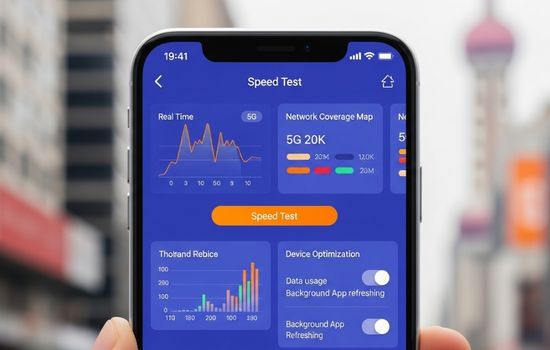
Not all network optimization apps are created equal. The most effective tools offer real-time monitoring that displays current network speed, signal strength, and connected band. This transparency helps you understand exactly what’s happening with your connection at any moment.
Advanced network switching capabilities represent another essential feature. The best apps detect when you’re receiving suboptimal 5G service and can force your device to reconnect or switch to a better tower. This prevents the frustrating situation where your phone clings to a weak 5G signal instead of using a stronger 4G connection.
Data usage tracking with app-specific breakdowns allows you to identify which applications consume the most bandwidth. This information empowers you to make informed decisions about background data permissions and update schedules. Some premium apps even offer automated bandwidth allocation based on your usage patterns.
🔧 Technical Capabilities That Make a Difference
DNS optimization is often overlooked but dramatically impacts browsing speed. Advanced apps replace your carrier’s default DNS servers with faster alternatives, reducing the time it takes to load websites and establish connections. This single feature can shave seconds off page load times.
Ping reduction technology benefits gamers and video callers significantly. By optimizing routing paths and minimizing packet loss, these apps create more stable connections with lower latency. The difference between a 60ms ping and a 20ms ping can determine victory or defeat in competitive gaming.
Background app management goes beyond simple data restriction. Intelligent apps learn your usage patterns and preemptively adjust settings. If you always stream music during your commute, the app ensures streaming services receive priority bandwidth during those hours automatically.
🌐 How 5G Optimization Apps Actually Work
These applications function by accessing system-level network information that’s normally hidden from users. They read signal strength data from your device’s modem, analyze connection quality metrics, and identify inefficiencies in how your phone manages network resources.
The optimization process begins with a comprehensive scan of your current network environment. The app identifies your connected tower, measures real-world speeds, and compares them against theoretical maximums for your location. This baseline establishes whether you’re receiving appropriate service.
Once the analysis is complete, the app implements various optimization strategies. These might include changing network mode preferences, adjusting APN settings, or modifying how your device requests data from towers. The specific techniques vary by app, but the goal remains consistent—maximize throughput while maintaining stability.

💡 Real-World Performance Improvements You Can Expect
Users typically report download speed increases between 20% and 50% after implementing optimization apps. These gains come from eliminating bottlenecks rather than magically creating faster connections. If your carrier provides 500 Mbps 5G but you’re only seeing 200 Mbps, optimization can help close that gap.
Streaming quality improvements become immediately noticeable. Videos buffer less frequently, higher resolution options become available, and playback remains smooth even while moving. Music streaming services maintain consistent quality without dropping to lower bitrates during network fluctuations.
Gaming experiences transform dramatically with reduced latency. Competitive multiplayer games become more responsive, and cloud gaming services like Xbox Game Pass and GeForce NOW deliver console-quality experiences on mobile devices. The consistent connection prevents the lag spikes that ruin gameplay moments.
📊 Measurable Metrics That Demonstrate Value
Testing your connection before and after optimization provides concrete evidence of improvement. Speed test apps show raw download and upload numbers, but ping tests and jitter measurements reveal stability improvements. Lower jitter means more consistent speeds rather than wild fluctuations.
Data efficiency metrics matter just as much as raw speed. Some optimization apps reduce cellular data consumption by up to 30% through intelligent caching and compression. This extends your monthly data allowance and reduces overage charges while maintaining performance.
Battery life improvements often accompany network optimization. When your phone isn’t constantly searching for better signals or managing dozens of background connections, power consumption decreases. Users frequently report an additional 1-2 hours of screen-on time daily after optimization.
🛡️ Security and Privacy Considerations
Network optimization apps require extensive permissions to function effectively. They need access to network settings, connection data, and sometimes VPN creation capabilities. Understanding exactly what permissions an app requests and why helps you make informed decisions about privacy trade-offs.
Reputable apps clearly explain their data collection practices and never sell user information to third parties. Look for privacy policies that explicitly state no browsing data is logged or shared. Open-source applications offer additional transparency since their code can be independently audited.
VPN-based optimizers create encrypted tunnels for your internet traffic. While this can improve speed through better routing, it also means all your data passes through the app developer’s servers. Choose providers with proven track records and third-party security audits confirming their claims.
⚙️ Setting Up Your 5G Optimization Strategy
Begin by establishing baseline measurements before installing any optimization apps. Run multiple speed tests at different times and locations to understand your typical performance. Document these results for comparison after implementing optimizations.
Install your chosen optimization app and grant the necessary permissions thoughtfully. Review each permission request and understand its purpose. Most apps provide explanations for why they need specific access—if an app requests unrelated permissions, consider that a red flag.
Configure the app according to your usage priorities. If streaming is most important, allocate maximum bandwidth to video apps. Gamers should prioritize low latency settings over raw speed. Remote workers benefit from stable upload speeds and consistent ping times for video conferences.
🎯 Fine-Tuning for Maximum Performance
Monitor your connection over several days after initial setup. Optimization apps often include analytics dashboards showing historical performance data. Look for patterns—perhaps speeds drop consistently during evening hours, suggesting congestion rather than device issues.
Adjust settings based on your observations. If automatic network switching causes disruptions, lock your device to 5G-only mode when you’re in areas with strong coverage. In areas with spotty 5G, allowing fallback to 4G prevents constant reconnection attempts.
Regularly update your optimization app to access new features and improvements. Developers continuously refine algorithms based on user feedback and changing network conditions. Updates often include carrier-specific optimizations that significantly impact performance.
🌟 Beyond Basic Optimization: Advanced Techniques
Power users can implement additional strategies alongside optimization apps. Network-locked mode forces your device to specific bands, useful when you know mmWave 5G is available but your phone defaults to slower mid-band. This manual control maximizes speed in optimal conditions.
Custom APN configurations sometimes unlock hidden carrier capabilities. While not necessary for most users, those experiencing persistent issues might benefit from tweaking APN settings guided by optimization app recommendations. Always document original settings before making changes.
Signal boosters complement software optimization when physical obstacles block 5G signals. These devices amplify existing signals, working synergistically with apps to maintain strong connections indoors or in remote areas. The combination delivers performance neither solution achieves alone.
📈 Measuring Long-Term Value and ROI
Track your cellular data usage month-over-month after optimization. Many users discover they consume less data while accomplishing more, thanks to efficiency improvements. This can justify switching to a lower-tier data plan, saving money monthly.
Calculate time savings from faster downloads and uploads. If you download large files regularly for work, shaving minutes off each transfer adds up significantly. An extra hour of productivity weekly easily justifies any premium app subscriptions.
Consider quality-of-life improvements beyond measurable metrics. Fewer frustrating buffering moments, smoother video calls with family, and lag-free gaming sessions enhance daily life in ways that spreadsheets can’t capture but are nonetheless valuable.
🔮 The Future of Mobile Network Optimization
Artificial intelligence will increasingly power next-generation optimization apps. Machine learning algorithms will predict network conditions before they change, preemptively adjusting settings to maintain seamless experiences. These predictive capabilities will make manual intervention unnecessary.
Integration with smart home systems represents another frontier. Optimization apps will coordinate with home routers, automatically transferring heavy downloads to Wi-Fi when you arrive home. This seamless handoff will maximize cellular data efficiency without requiring user input.
Carrier partnerships may eventually bring optimization features directly into network infrastructure. Rather than needing third-party apps, smart networks will automatically optimize connections for individual users. Until that future arrives, independent optimization apps remain essential tools for maximizing 5G performance.
✨ Transforming Your Mobile Experience Today
The gap between theoretical 5G capabilities and real-world performance frustrates millions of users daily. Optimization apps bridge this divide, unlocking the speed and reliability that 5G promises but doesn’t always deliver automatically.
Whether you’re a casual user tired of buffering videos or a power user demanding maximum performance, the right optimization strategy makes a measurable difference. The combination of intelligent software, informed settings adjustments, and consistent monitoring ensures you extract every bit of value from your 5G connection.
Start with baseline measurements, implement a trusted optimization app, and fine-tune settings based on your specific needs. The improvements you’ll experience—faster downloads, smoother streaming, and more responsive gaming—demonstrate that 5G’s potential isn’t just marketing hype when properly optimized.
Your mobile device represents a significant investment, and your cellular plan costs hundreds of dollars annually. Optimization apps ensure you’re actually receiving the service you’re paying for, making them one of the most cost-effective tech investments you can make. The future of mobile connectivity is already here—optimization helps you access it fully.
