
Plant identification apps have revolutionized the way we interact with nature, turning our smartphones into powerful botanical guides that instantly recognize thousands of species.


Whether you’re a gardening enthusiast, a nature lover, or simply curious about the plants around you, these innovative tools have become indispensable companions for exploring the botanical world. With advanced image recognition technology and extensive plant databases, identifying unknown plants has never been easier or more accessible.
The best plant identification apps combine artificial intelligence, machine learning, and crowdsourced botanical knowledge to deliver accurate results within seconds. From backyard weeds to exotic houseplants, these digital assistants help you discover plant names, care instructions, and fascinating details about the green world surrounding us. 🌿
How Plant Identification Apps Actually Work
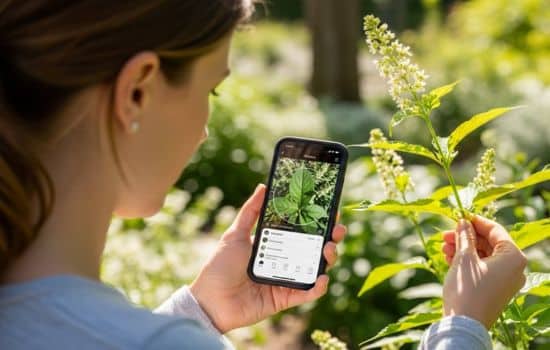
Modern plant identification applications rely on sophisticated computer vision algorithms trained on millions of plant images. When you snap a photo of a leaf, flower, or tree, the app analyzes distinctive features like shape, color, texture, and patterns. This visual data is then compared against massive databases containing information about hundreds of thousands of plant species.
The technology behind these apps has improved dramatically over recent years. Early versions struggled with accuracy, often confusing similar-looking species or requiring perfect lighting conditions. Today’s advanced systems can identify plants even from partial images, damaged specimens, or photos taken in challenging environments.
Machine learning plays a crucial role in this process. Each identification attempt helps train the algorithm, making it smarter and more accurate over time. Many apps also incorporate community feedback, allowing expert botanists and experienced gardeners to verify or correct identifications, creating a continuous improvement cycle.
Top Features to Look for in Plant Identification Apps 📱
Not all plant identification apps are created equal. The most effective ones offer a comprehensive suite of features that go beyond simple name recognition. Understanding what distinguishes exceptional apps from mediocre ones helps you choose the right tool for your botanical adventures.
Instant Recognition Capabilities
The primary function of any plant identification app is quick and accurate recognition. Top-tier applications can identify plants within seconds, providing not just the scientific name but also common names in multiple languages. The best apps maintain high accuracy rates even when working with challenging images or less common species.
Speed matters when you’re out exploring nature trails or shopping at a garden center. Apps that deliver instant results without requiring extensive processing time provide the most satisfying user experience. Look for applications that work efficiently even on older smartphone models.
Comprehensive Plant Care Guides
Identification alone isn’t always enough. The most valuable apps transform into complete plant care companions, offering detailed instructions on watering schedules, light requirements, soil preferences, and fertilization needs. This information proves especially useful for houseplant enthusiasts who want to keep their green friends thriving.
Quality care guides include seasonal adjustments, troubleshooting tips for common problems, and specific advice tailored to your geographic location. Some advanced apps even send personalized reminders based on your specific plants and local weather conditions.
Disease and Pest Diagnosis 🐛
Beyond identifying healthy plants, exceptional apps can diagnose problems affecting your vegetation. By analyzing photos of discolored leaves, unusual spots, or damaged stems, these tools help identify diseases, pest infestations, and nutrient deficiencies. This diagnostic capability can save struggling plants and prevent problems from spreading.
The best diagnostic features provide actionable solutions, recommending specific treatments, organic remedies, or when to consult professional help. This functionality transforms your smartphone into a portable plant doctor, available whenever you notice something concerning.

Practical Applications for Different Users
Plant identification apps serve diverse audiences, each finding unique value in these digital botanical assistants. Understanding how different groups use these tools reveals their versatility and practical benefits across various scenarios.
For Home Gardeners and Plant Parents
Indoor plant enthusiasts use identification apps to learn about new acquisitions, especially when gift plants arrive without care tags. These apps help determine whether that mysterious succulent needs full sun or shade, and how often it appreciates watering. The ability to quickly identify volunteer plants in outdoor gardens helps distinguish desirable wildflowers from invasive weeds.
Many gardeners build virtual collections within these apps, creating personalized digital gardens that track care schedules and growth progress. This feature proves particularly helpful when managing multiple plants with different requirements, preventing care mistakes that could harm your green collection.
For Nature Enthusiasts and Hikers 🥾
Outdoor adventurers discover incredible value in carrying botanical knowledge on wilderness excursions. Identifying wildflowers along mountain trails, recognizing edible plants (though always verify before consuming), or learning about interesting trees encountered during nature walks enriches the outdoor experience significantly.
These apps also serve important safety functions by helping identify potentially toxic or irritating plants like poison ivy, poison oak, or other hazardous species. This knowledge helps hikers and campers avoid uncomfortable encounters with problematic vegetation.
For Students and Educators
Biology students and teachers leverage plant identification apps as interactive learning tools that bring textbook concepts into real-world applications. Field trips become more engaging when students can instantly identify specimens and access detailed botanical information about discovered plants.
The educational value extends beyond formal schooling. Curious minds of all ages use these apps to satisfy spontaneous botanical questions, fostering a deeper connection with the natural world and encouraging environmental awareness through hands-on discovery.
Maximizing Accuracy: Tips for Better Results ✨
While plant identification apps deliver impressive results, users can significantly improve accuracy by following some simple photography and usage guidelines. These best practices help the algorithms work more effectively, reducing misidentifications and providing more reliable information.
Capturing the Perfect Identification Photo
Good lighting makes an enormous difference in identification accuracy. Natural daylight works best, avoiding harsh shadows or overly bright conditions that wash out important details. When photographing leaves, ensure they’re in focus with visible veins and texture. For flowers, capture clear images showing petal arrangement, color, and center structures.
Include multiple angles when possible. Some apps allow uploading several photos showing different plant parts—leaves, flowers, bark, and overall growth habit. This comprehensive visual information dramatically improves identification confidence, especially for species with similar characteristics.
Providing Context and Location Information
Many apps request your geographic location to narrow down possible matches. Regional plant databases eliminate species that don’t naturally occur in your area, increasing accuracy by focusing on locally probable options. This geographic filtering proves especially valuable when identifying common plants with numerous look-alikes across different continents.
Noting the environment where you found the plant also helps. Specifying whether it’s growing in wetlands, forests, gardens, or arid conditions provides valuable context that guides more accurate identifications.
Understanding Limitations and Accuracy Rates
Despite impressive technological advances, plant identification apps aren’t infallible. Understanding their limitations helps set realistic expectations and encourages responsible usage, particularly in situations where accurate identification carries significant importance.
Accuracy rates vary considerably depending on plant type, photo quality, and species rarity. Common houseplants and widespread garden varieties typically achieve identification accuracy rates exceeding 95%. However, rare species, regional variants, or plants photographed in poor conditions may produce less reliable results.
Hybrid plants and cultivated varieties pose particular challenges. These human-created plants may display characteristics from multiple parent species, confusing algorithms trained primarily on wild specimens. When dealing with garden center purchases or ornamental plants, identification apps may provide the genus or general plant family rather than the specific cultivar.
When Professional Identification Becomes Necessary 🔬
Certain situations demand expert botanical consultation rather than app-based identification. Before consuming any plant material, always verify edibility through multiple authoritative sources and consider consulting with experienced foragers or botanists. The consequences of misidentifying toxic plants can be severe or even fatal.
Legal or scientific contexts also require professional verification. If identifying plants for research papers, legal disputes, conservation efforts, or official documentation, confirm app identifications with certified botanists or herbarium specimens. Apps provide excellent starting points, but formal situations need credentialed expertise.
Privacy and Data Considerations
Like most modern applications, plant identification apps collect various types of user data. Understanding privacy implications helps you make informed decisions about which apps to trust with your information and photos.
Most apps request location permissions to provide geographically relevant identifications. While this improves accuracy, it also means the app tracks where you take plant photos. Review privacy policies to understand how location data is stored, used, and potentially shared with third parties.
Photo uploads represent another privacy consideration. Some apps retain uploaded images to improve their algorithms and databases. If you’re concerned about photo ownership or prefer not contributing to commercial databases, look for apps with clear policies about image rights and options to opt out of data sharing.
Free vs Premium: What’s Worth Paying For? 💰
Many plant identification apps operate on freemium models, offering basic identification free while charging for advanced features. Determining whether premium subscriptions justify their costs depends on how frequently you use the app and which features matter most to you.
Free versions typically limit daily identifications, restrict access to care guides, or display advertisements. For casual users who occasionally identify plants, these limitations rarely prove problematic. However, serious plant enthusiasts, gardeners managing extensive collections, or professionals may find premium subscriptions worthwhile investments.
Premium Features That Add Real Value
Unlimited identifications benefit active users who frequently encounter unknown plants. Premium subscriptions often include comprehensive plant care libraries with detailed growing guides, pest and disease databases, and personalized care reminders. These resources provide ongoing value beyond simple identification services.
Advanced diagnostic features, priority customer support, and offline identification capabilities represent other premium benefits. Apps offering offline databases prove particularly valuable for hikers exploring areas with limited cell service or international travelers avoiding roaming charges.
Building Your Personal Plant Knowledge 🌱
While plant identification apps provide instant answers, they also serve as powerful learning tools that gradually build your botanical expertise. Engaging actively with the information these apps provide transforms casual identifications into lasting knowledge.
Rather than simply accepting plant names at face value, take time reading the additional information provided. Learning about plant families, native ranges, and distinguishing characteristics helps you recognize similar species independently in the future. This gradual education makes you less dependent on apps while deepening your appreciation for plant diversity.
Creating personal collections within apps reinforces learning through repetition and organization. Reviewing your identified plants periodically helps commit names and characteristics to memory. Some users enjoy challenging themselves to identify previously photographed plants without app assistance, testing their developing botanical knowledge.
The Future of Plant Identification Technology
Plant identification technology continues evolving rapidly, with exciting developments on the horizon promising even more powerful and versatile botanical tools. Understanding these emerging trends provides glimpses into how these apps might serve future generations of plant enthusiasts.
Augmented reality integration represents one fascinating frontier. Future apps may overlay plant information directly onto your phone’s camera view in real-time, creating immersive botanical experiences where plant names, care instructions, and interesting facts appear as you point your device at vegetation.
Improved artificial intelligence will likely enhance accuracy rates, particularly for challenging identifications involving rare species, juvenile plants, or damaged specimens. As training databases expand and algorithms become more sophisticated, the gap between app performance and expert human identification continues narrowing.
Community and Social Features
Many apps are expanding social components, allowing users to share discoveries, ask questions, and connect with fellow plant enthusiasts worldwide. These community features transform solitary identification activities into collaborative learning experiences, where beginners learn from experienced gardeners and botanists.
Gamification elements like achievement badges, identification challenges, and progress tracking make botanical learning more engaging. These features encourage regular app usage while building comprehensive plant knowledge through structured, enjoyable experiences.
Making the Most of Your Plant App Experience 🌻
Maximizing value from plant identification apps requires more than just downloading and occasionally using them. Developing consistent habits and exploring all available features transforms these tools from simple utilities into comprehensive botanical companions that enhance your relationship with the plant world.
Regular exploration keeps your botanical curiosity active. Challenge yourself to identify one new plant daily, whether during neighborhood walks, grocery store visits, or time spent in your own backyard. This consistent practice builds observational skills while expanding your plant knowledge steadily over time.
Engage with app communities when available. Asking questions, sharing interesting discoveries, and participating in discussions enriches the experience beyond solo identification activities. Many users find that community interactions spark new interests, inspire garden projects, or connect them with local plant enthusiasts for in-person botanical adventures.
Experiment with different apps to find your perfect match. While this article focuses on general capabilities, individual apps offer unique interfaces, features, and strengths. Trying several options helps identify which best suits your specific needs, preferences, and typical use cases.
Embracing Botanical Curiosity in Daily Life
Plant identification apps ultimately serve a greater purpose beyond simply naming unknown vegetation. They awaken and nurture botanical curiosity, transforming ordinary environments into fascinating landscapes filled with diverse, interesting species worthy of attention and appreciation.
Armed with identification tools, previously overlooked weeds become subjects of wonder. That persistent plant growing through sidewalk cracks has a name, a history, and perhaps medicinal or culinary applications. Street trees cease being generic greenery and become specific species with unique characteristics, native ranges, and ecological roles.
This heightened awareness often inspires environmental stewardship. Understanding plant diversity, native species, and ecosystem relationships encourages conservation-minded behaviors and deeper respect for natural spaces. Many users report that regular plant identification activities fundamentally changed how they perceive and interact with the botanical world.
The journey from casual curiosity to passionate plant knowledge begins with simple questions about unknown vegetation. Plant identification apps provide immediate answers while opening doors to endless botanical exploration, learning, and appreciation. Whether you’re identifying houseplants, exploring nature trails, or simply wondering about neighborhood vegetation, these powerful tools put comprehensive botanical knowledge literally in your pocket, ready whenever curiosity strikes. 🌿📱
