
Managing your cardiovascular health has never been more accessible, thanks to innovative mobile technology designed to track and monitor your blood pressure levels.
High blood pressure affects millions of people worldwide, often without noticeable symptoms until serious complications arise. The ability to monitor your readings consistently has become essential for anyone concerned about their heart health.
Modern smartphone applications offer a convenient way to keep detailed records, identify patterns, and share important data with healthcare professionals.
While these digital tools cannot replace traditional medical equipment, they serve as valuable companions in your wellness journey.
Whether you’re managing a diagnosed condition or simply staying proactive about your cardiovascular health, understanding how these applications work can empower you to make informed decisions about your daily habits and medical care.
📱 Understanding Blood Pressure Monitoring Technology
Blood pressure measurement applications fall into two main categories: tracking tools and sensor-based monitors. Tracking apps allow you to manually input readings from traditional devices, creating a digital logbook that organizes your health data. These applications excel at visualization, trend analysis, and reminder features that help you maintain consistent monitoring schedules.
Sensor-based applications claim to measure blood pressure using your smartphone’s camera and flash. While innovative, these technologies remain controversial within the medical community. Most healthcare professionals recommend using FDA-approved or clinically validated devices for actual measurements, then recording those readings in a reliable tracking application.
The distinction matters because accurate blood pressure readings are critical for proper medical management. Systolic pressure (the top number) measures the force against artery walls when your heart beats, while diastolic pressure (the bottom number) measures the force between beats. Even small measurement errors can lead to incorrect treatment decisions.
🎯 Key Features to Look for in Quality Apps
The best blood pressure monitoring applications share several essential characteristics that make them genuinely useful for long-term health management. User-friendly interfaces ensure you can quickly log readings without frustration, encouraging consistent use over time.
Comprehensive data tracking goes beyond simple number entry. Quality apps allow you to record additional factors like medication timing, physical activity, stress levels, and dietary habits. These contextual details help you and your healthcare provider identify patterns that might influence your blood pressure readings.
Visualization and Reporting Capabilities
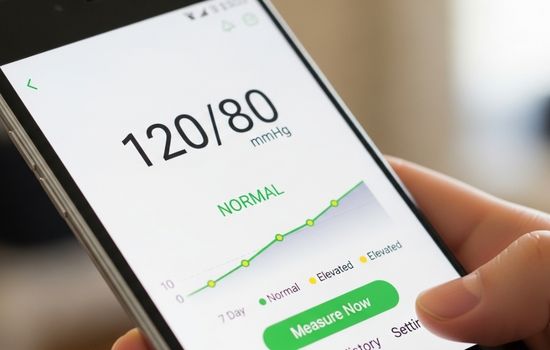
Charts and graphs transform raw numbers into meaningful insights. Look for applications that display your data across different timeframes—daily, weekly, monthly, and yearly views each reveal different patterns. Color-coded indicators quickly show whether readings fall within normal, elevated, or concerning ranges.
Export functionality is crucial for medical appointments. The ability to generate PDF reports or share data directly with your doctor’s electronic health system saves time and ensures your healthcare team has complete information when making treatment decisions.
Reminder Systems and Consistency Tools
Consistent monitoring delivers the most valuable data. Smart reminder systems notify you at optimal times for measurement, typically in the morning and evening when readings are most stable. Some advanced applications learn your routine and adjust reminder timing automatically.
Medication reminders integrated within the same app help you maintain treatment compliance. This unified approach reduces the need for multiple applications and creates a comprehensive health management platform on your device.
💡 How to Use Blood Pressure Apps Effectively
Maximizing the benefits of these digital tools requires understanding proper measurement techniques and data interpretation. Even the most sophisticated application cannot compensate for incorrectly taken readings.
Before measuring, sit quietly for at least five minutes. Rest your arm on a flat surface at heart level, and avoid crossing your legs. Take multiple readings spaced one to two minutes apart, and record all measurements in your application. The app can then calculate averages, providing a more reliable picture than single readings.

Timing Your Measurements
Blood pressure naturally fluctuates throughout the day, influenced by activity, stress, meals, and sleep patterns. Measuring at consistent times each day provides the most meaningful trend data. Many cardiologists recommend morning measurements before breakfast and evening readings before dinner.
Special circumstances warrant additional monitoring. Before starting new medications, during illness, or when experiencing symptoms like dizziness or headaches, more frequent measurements help your healthcare provider make informed adjustments to your treatment plan.
🏥 Medical Accuracy and Clinical Validation
The question of accuracy dominates discussions about blood pressure applications. While smartphone-only measurement methods continue to develop, current technology lacks the precision of traditional arm-cuff monitors validated through rigorous clinical testing.
FDA clearance and CE marking indicate that devices have undergone formal evaluation processes. When choosing equipment to pair with your tracking application, look for these certifications. Organizations like the American Heart Association and European Society of Hypertension maintain lists of validated devices meeting strict accuracy standards.
Home monitoring devices themselves vary in quality. Upper-arm cuffs generally provide more accurate readings than wrist monitors. Proper cuff size matters tremendously—too small or too large creates measurement errors. Many quality applications include guides to help you select appropriate equipment and verify proper fit.
Understanding Your Numbers
Normal blood pressure registers below 120/80 mmHg. Elevated readings fall between 120-129 systolic and less than 80 diastolic. Stage 1 hypertension ranges from 130-139 systolic or 80-89 diastolic. Stage 2 hypertension exceeds 140/90 mmHg. Readings above 180/120 mmHg constitute a hypertensive crisis requiring immediate medical attention.
Your application should clearly categorize readings according to established medical guidelines. Color coding and alerts help you quickly identify concerning patterns without needing to memorize numerical ranges.
🔐 Privacy and Data Security Considerations
Health information represents some of your most sensitive personal data. Before downloading any medical application, review its privacy policy carefully. Understand what data the app collects, how it stores that information, and whether it shares data with third parties.
HIPAA compliance in the United States or GDPR compliance in Europe indicates that applications meet baseline privacy standards. End-to-end encryption protects your data during transmission and storage. Local device storage options keep your information entirely under your control, though they sacrifice cloud backup benefits.
Consider whether the application requires creating an account and what information that registration demands. Minimal data collection reduces your exposure if security breaches occur. Read recent user reviews mentioning privacy concerns or unexpected data sharing practices.
🌟 Additional Health Tracking Integrations
Comprehensive health management often involves monitoring multiple metrics simultaneously. Blood pressure doesn’t exist in isolation—factors like weight, physical activity, sleep quality, and stress levels all influence cardiovascular health.
Applications that integrate with platforms like Apple Health, Google Fit, or Samsung Health create unified health dashboards. This interconnected ecosystem reveals correlations you might otherwise miss. For example, you might notice blood pressure spikes correlating with poor sleep nights or increased readings following high-sodium meals.
Wearable Device Compatibility
While smartwatches cannot yet accurately measure blood pressure through optical sensors alone, they excel at tracking related metrics like heart rate, activity levels, and stress indicators. Some specialized fitness bands include inflatable cuffs for periodic blood pressure checks.
Syncing your blood pressure app with wearable data provides your healthcare team with comprehensive information about your daily patterns and lifestyle factors affecting your cardiovascular health.
👨⚕️ Communicating Results with Healthcare Providers
The primary value of consistent blood pressure tracking lies in the insights it provides your medical team. Isolated office readings may not accurately reflect your typical levels—white coat hypertension causes some patients’ readings to spike in clinical settings, while masked hypertension remains normal at the doctor’s office but elevated at home.
Before appointments, prepare summary reports showing your average readings across different times and circumstances. Highlight any concerning patterns or unusual spikes. Note correlations you’ve observed between readings and specific activities, medications, or stressors.
Many modern applications include doctor sharing features that grant your healthcare provider direct access to your data. This real-time visibility enables more responsive care adjustments without waiting for scheduled appointments.
🍎 Lifestyle Factors and Blood Pressure Management
Monitoring alone doesn’t improve health—the insights must drive behavioral changes. Your blood pressure application becomes most valuable when it helps you identify specific lifestyle modifications that positively impact your readings.
Dietary sodium intake significantly affects blood pressure for many people. Applications that allow you to tag meals or note dietary changes help you recognize whether reducing salt intake correlates with lower readings. Similarly, tracking exercise sessions may reveal that regular physical activity consistently lowers your measurements.
Stress and Mental Health Connections
Psychological stress activates your sympathetic nervous system, temporarily raising blood pressure. Chronic stress contributes to sustained hypertension. Applications featuring mood tracking or stress level logging help you understand these mind-body connections.
Some advanced apps incorporate breathing exercises, meditation timers, or mindfulness prompts designed to help you manage stress-related blood pressure spikes. These integrated wellness tools address cardiovascular health holistically rather than focusing solely on numerical readings.
📊 Long-Term Trend Analysis
Single blood pressure readings provide limited information. Meaningful patterns emerge only through sustained monitoring over weeks and months. Quality applications preserve your historical data indefinitely, allowing you to observe long-term trends that guide treatment decisions.
Seasonal variations affect many people’s blood pressure, with colder months often associated with higher readings. Tracking across years helps you anticipate and prepare for these cyclical changes. Similarly, you might notice gradual improvements as lifestyle modifications take effect or recognize when medication adjustments are needed.
Advanced analytics features identify variability patterns that research increasingly links to cardiovascular risk. High reading-to-reading variability may indicate greater health risks than slightly elevated but consistent measurements.
🚀 Emerging Technologies and Future Developments
Blood pressure monitoring technology continues evolving rapidly. Researchers are developing more accurate optical sensors, investigating methods using smartphone cameras and specialized algorithms, and creating wearable patches that continuously monitor blood pressure without cumbersome cuffs.
Artificial intelligence integration promises increasingly sophisticated analysis. Machine learning algorithms could identify subtle patterns predicting hypertensive events hours or days in advance, enabling preventive interventions. Personalized recommendations based on your unique data patterns may soon replace generic health advice.
Telehealth integration is expanding, with blood pressure applications becoming portals for remote consultations. Your doctor might review your data in real-time during video appointments, discussing trends and adjusting treatment without requiring office visits.
⚕️ When to Seek Immediate Medical Attention
While home monitoring empowers you to manage your health proactively, certain situations require immediate professional intervention. Readings exceeding 180/120 mmHg accompanied by symptoms like severe headache, chest pain, shortness of breath, vision changes, or difficulty speaking constitute medical emergencies.
Even without symptoms, consistently elevated readings warrant prompt medical consultation. Don’t attempt to self-manage severely high blood pressure through lifestyle changes alone. Professional evaluation determines whether you need medication and rules out secondary causes requiring specific treatments.
Your blood pressure application should never replace professional medical advice. Use it as a tool to facilitate better communication with your healthcare team and to stay engaged with your cardiovascular health between appointments.
💪 Building Sustainable Monitoring Habits
Consistency determines whether blood pressure tracking delivers meaningful benefits or becomes abandoned technology. Start with realistic expectations—measuring twice daily at consistent times establishes a sustainable routine more effectively than attempting multiple daily measurements that quickly become burdensome.
Integrate monitoring into existing habits. Place your blood pressure device near your toothbrush and measure after brushing your teeth each morning and evening. This habit stacking technique leverages established routines to build new behaviors.
Celebrate small victories. When your application shows improving trends or consistent readings within healthy ranges, acknowledge these achievements. Positive reinforcement strengthens your commitment to ongoing monitoring and healthy lifestyle choices.
🎓 Educational Resources Within Applications
The best blood pressure applications function as educational platforms, helping you understand cardiovascular health beyond simple number tracking. Look for apps offering articles about hypertension causes, treatment options, lifestyle interventions, and the latest research findings.
Interactive features like quizzes, goal-setting tools, and achievement systems gamify health management without trivializing serious medical conditions. These engaging elements maintain your interest and motivation during the long-term commitment that effective blood pressure management requires.
Community features connect you with others managing similar health challenges. While peer support never replaces professional medical advice, sharing experiences and encouragement helps many people stay committed to their health goals.
🌐 Choosing the Right Application for Your Needs
Selecting among dozens of available blood pressure applications can feel overwhelming. Prioritize apps with clean interfaces you find intuitive and pleasant to use. The most feature-rich application provides no benefit if its complexity discourages regular use.
Read recent user reviews, paying particular attention to comments about reliability, customer support, and whether the app functions properly after updates. Free versions often include advertisements or limit features, while premium subscriptions unlock comprehensive functionality.
Consider your specific circumstances. If you take multiple medications, prioritize apps with robust medication tracking. If you exercise regularly, look for fitness integration. If you share caregiving responsibilities, choose apps with multi-user support or family sharing features.
Download your chosen application today and commit to just two weeks of consistent monitoring. This brief trial period establishes the habit while generating enough data to reveal meaningful patterns. You’ll quickly discover whether the app meets your needs or if you should explore alternatives.
Your cardiovascular health deserves the same attention you give to countless other daily tasks. With the right blood pressure monitoring application supporting your efforts, managing this crucial aspect of your wellness becomes not a burden, but an empowering daily practice that potentially adds years to your life and life to your years. 💙
