

Learning apps have transformed education by making knowledge accessible anytime, anywhere, empowering millions of users worldwide to develop new skills at their own pace.
The digital revolution has fundamentally changed how we approach learning and personal development. Traditional classroom settings, while still valuable, no longer represent the only pathway to acquiring knowledge. Today’s learners have unprecedented access to educational resources through their smartphones and tablets, creating opportunities that were unimaginable just a decade ago.
Modern learning applications combine cutting-edge technology with pedagogical best practices to create engaging, effective educational experiences. Whether you’re a student looking to supplement your studies, a professional seeking career advancement, or simply someone with a curious mind, these digital tools offer tailored solutions that adapt to your unique learning style and schedule.
📱 The Evolution of Digital Education Platforms
The journey of learning apps began with simple digital flashcards and basic quiz applications. These early tools, while revolutionary for their time, offered limited interactivity and personalization. As mobile technology advanced, developers recognized the potential to create comprehensive educational ecosystems that could rival traditional learning methods.


Today’s learning applications leverage artificial intelligence, machine learning, and behavioral psychology to create adaptive learning experiences. These platforms analyze user performance in real-time, adjusting difficulty levels and content presentation to optimize knowledge retention and engagement.
The integration of gamification elements has proven particularly effective in maintaining user motivation. Points, badges, streaks, and leaderboards transform the learning process into an enjoyable challenge rather than a tedious obligation. This approach has demonstrated measurable improvements in completion rates and long-term engagement across various age groups.
🎯 Key Features That Define Effective Learning Apps
Not all educational applications are created equal. The most successful platforms share several core characteristics that distinguish them from their competitors and contribute to genuine learning outcomes.
Personalized Learning Paths
Effective learning apps recognize that every user brings different background knowledge, learning preferences, and goals to the table. Advanced platforms conduct initial assessments to establish baseline proficiency levels, then construct customized curricula that address individual knowledge gaps while building on existing strengths.
This personalization extends beyond content selection to include pacing recommendations, preferred learning formats (visual, auditory, kinesthetic), and even optimal study session lengths based on user engagement patterns.
Interactive Content and Multimedia Integration
Modern learners respond best to varied content formats that engage multiple senses simultaneously. Quality learning apps incorporate videos, audio clips, animations, interactive diagrams, and hands-on exercises that transform passive consumption into active participation.
This multimedia approach accommodates diverse learning styles while reinforcing concepts through multiple channels, significantly improving information retention compared to text-only formats.
Progress Tracking and Analytics
Comprehensive analytics dashboards provide users with transparent insights into their learning journey. Detailed progress reports highlight strengths, identify areas requiring additional focus, and visualize improvement over time through graphs and statistics.
These metrics serve dual purposes: they maintain motivation by celebrating achievements and provide actionable data that helps users optimize their study strategies for maximum efficiency.
🌍 The Global Impact of Learning Applications
Learning apps have democratized education in ways that extend far beyond convenience. In regions where traditional educational infrastructure remains underdeveloped, mobile learning platforms provide access to quality instruction that would otherwise be completely unavailable.
Students in remote villages can now access the same educational content as their urban counterparts, effectively leveling the playing field and creating opportunities for social mobility. This accessibility has proven particularly transformative for girls and women in conservative societies where traditional schooling options may be restricted.
Language learning applications exemplify this global impact particularly well. Millions of users worldwide are breaking down communication barriers by acquiring new languages through their smartphones, facilitating international business, cultural exchange, and personal relationships that transcend geographical boundaries.
💡 Categories of Learning Applications
The learning app ecosystem encompasses a diverse range of specialized platforms, each designed to address specific educational needs and subject areas.
Language Learning Platforms
Language apps represent one of the most popular and successful categories within the learning app market. These platforms employ spaced repetition algorithms, conversational AI, and immersive storytelling to facilitate vocabulary acquisition and grammatical understanding.
Many incorporate speech recognition technology that provides instant feedback on pronunciation, helping users develop authentic accents and conversational confidence. Community features connect learners with native speakers for real-world practice and cultural insights.
Academic Subject Mastery
Mathematics, science, history, and literature apps bring traditional school subjects into the digital age. These platforms break complex topics into digestible lessons, supplement instruction with step-by-step problem solving, and provide unlimited practice opportunities.
Interactive simulations allow students to conduct virtual experiments, visualize abstract concepts, and explore scenarios that would be impossible or impractical in physical classroom settings. This hands-on approach deepens understanding and makes learning genuinely enjoyable.
Professional Skill Development
Career-focused learning apps offer instruction in coding, graphic design, project management, digital marketing, and countless other professional disciplines. These platforms often feature industry-recognized certifications that add tangible value to resumes and LinkedIn profiles.
Many professional development apps maintain current content that reflects the latest industry trends and technologies, ensuring learners acquire relevant, immediately applicable skills rather than outdated information.
Early Childhood Education
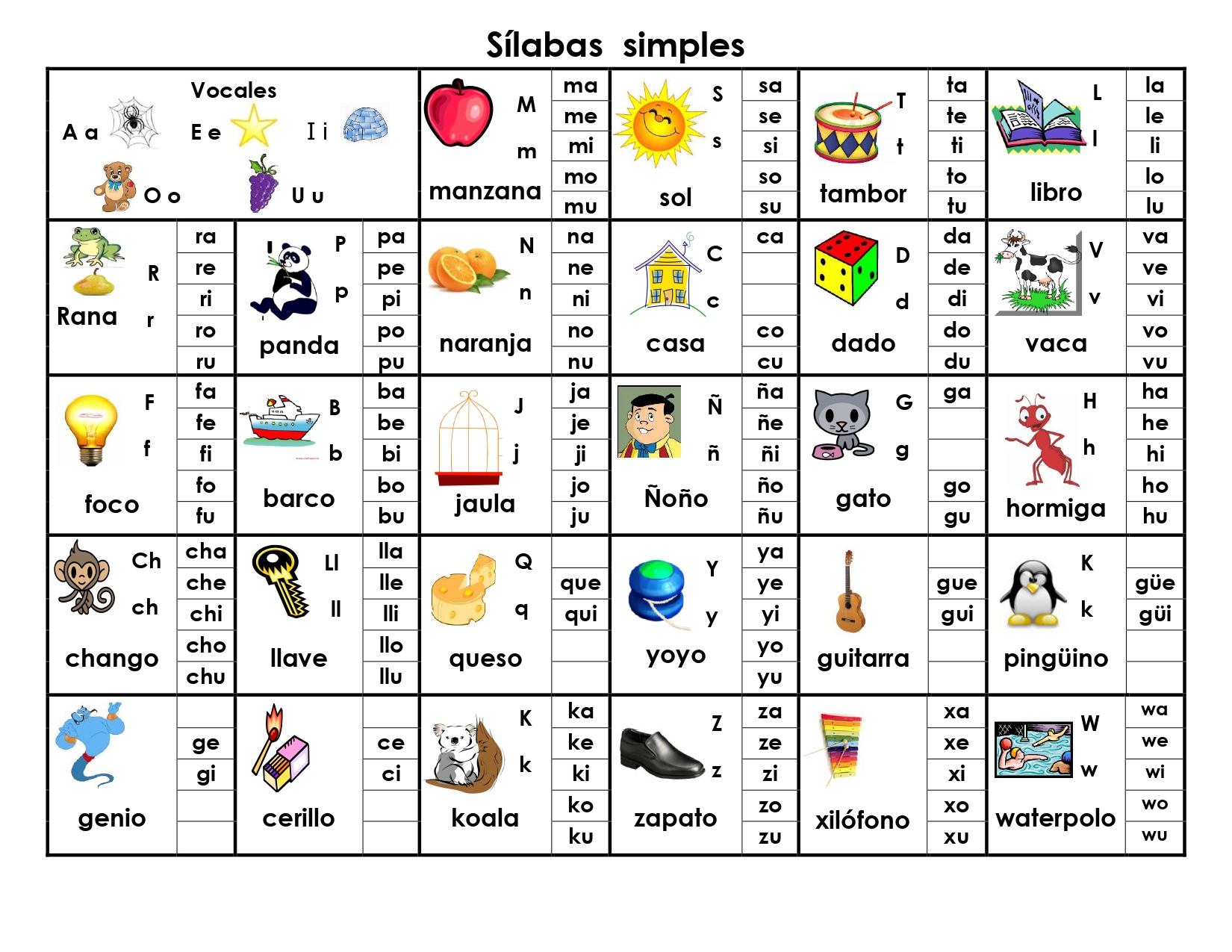
Apps designed for young learners combine education with age-appropriate entertainment, teaching foundational skills like reading, counting, pattern recognition, and problem-solving through colorful games and engaging characters.
These applications prioritize safety, featuring ad-free environments, restricted external links, and content curated specifically for developmental appropriateness. Parental controls allow caregivers to monitor usage and progress while maintaining children’s independence and engagement.
🔬 The Science Behind Effective Digital Learning
Successful learning applications don’t rely on intuition alone—they’re built on solid foundations of cognitive science and educational psychology research. Understanding these principles helps explain why certain apps produce genuine learning outcomes while others fail to deliver on their promises.
Spaced Repetition and Memory Consolidation
Research consistently demonstrates that information reviewed at increasing intervals becomes more firmly embedded in long-term memory. Quality learning apps implement spaced repetition algorithms that automatically schedule review sessions at optimal moments before information would typically be forgotten.
This approach requires significantly less study time than traditional cramming methods while producing superior retention, making it particularly valuable for busy professionals and students managing multiple subjects simultaneously.
Active Recall vs Passive Recognition
Effective learning apps prioritize active recall exercises that require users to retrieve information from memory rather than simply recognizing correct answers among multiple choices. This retrieval practice strengthens neural pathways and builds genuine mastery rather than superficial familiarity.
Applications that balance challenging recall exercises with appropriate support mechanisms create productive struggle—the cognitive sweet spot where learning occurs most efficiently without overwhelming frustration.
✨ Choosing the Right Learning App for Your Goals
With thousands of educational apps available across app stores, selecting the platform that best aligns with your specific needs requires careful consideration of several factors.
Define Your Learning Objectives
Clear goal-setting provides the foundation for effective app selection. Are you preparing for a specific certification exam? Looking to develop conversational fluency in a new language? Exploring a hobby interest? Different apps excel in different contexts, and matching platform strengths to your objectives dramatically improves outcomes.
Evaluate Content Quality and Pedagogy
Preview lessons and read user reviews to assess whether an app’s instructional approach resonates with your learning style. Look for platforms created in collaboration with subject matter experts and educators rather than those with superficial content developed by non-specialists.
Consider Time Commitment and Flexibility
Realistic assessment of your available study time helps prevent the disappointment of abandoned subscriptions. Some apps design lessons for five-minute micro-learning sessions perfect for commutes, while others require longer focused study periods for maximum effectiveness.
Test Free Trials and Freemium Options
Most quality learning apps offer free trials or limited free versions that allow hands-on evaluation before financial commitment. Take advantage of these opportunities to assess user interface intuitiveness, content engagement, and overall fit with your preferences.
🚀 Maximizing Learning App Effectiveness
Simply downloading an educational app doesn’t guarantee results—success requires strategic implementation and consistent engagement. These practical strategies help users extract maximum value from their chosen platforms.
Establish Consistent Study Routines
Habit formation research shows that consistent daily practice, even in small increments, produces far better long-term outcomes than sporadic intensive sessions. Schedule specific times for app-based learning and protect these commitments as you would any important appointment.
Combine Multiple Learning Modalities
While learning apps provide comprehensive instruction, supplementing digital lessons with complementary resources enhances overall effectiveness. Practice conversations with native speakers, read books on subjects you’re studying, or join online communities where you can discuss concepts and ask questions.
Track Progress and Celebrate Milestones
Regular review of analytics dashboards maintains awareness of your advancement and highlights areas requiring additional attention. Acknowledge achievements—completing difficult lessons, maintaining learning streaks, or reaching proficiency milestones—to sustain motivation through challenging phases.
🔮 The Future of Learning Applications
Emerging technologies promise to make learning apps even more powerful and personalized in coming years. Virtual reality and augmented reality integration will create immersive educational experiences that transport learners to historical events, distant planets, or microscopic cellular environments.
Artificial intelligence continues advancing toward truly conversational tutoring systems that understand context, recognize frustration, and adapt explanations in real-time like skilled human instructors. These AI tutors will provide personalized guidance at scale, making expert-level instruction accessible to everyone regardless of economic circumstances.
Neurotechnology research exploring direct brain-computer interfaces may eventually enable even more efficient knowledge transfer, though such applications remain years away from practical consumer implementation. In the nearer term, wearable technology integration will allow learning apps to optimize study sessions based on biometric feedback indicating focus, stress, and cognitive load.
🎓 Transforming Education One Download at a Time
Learning applications represent far more than convenient educational tools—they embody a fundamental shift in how humanity approaches knowledge acquisition and skill development. By removing traditional barriers of geography, economics, and rigid scheduling, these platforms empower individuals to pursue personal growth on their own terms.
The most profound impact of learning apps may ultimately be cultural rather than technological. As self-directed learning becomes increasingly normalized and accessible, societies worldwide are rediscovering the joy of lifelong education. Learning is no longer confined to childhood and young adulthood but becomes a continuous journey of discovery spanning entire lifetimes.
Whether you’re taking your first steps toward a new language, exploring professional development opportunities, or helping your children build foundational skills, today’s learning applications offer unprecedented support for educational goals of every kind. The question is no longer whether digital learning tools can supplement traditional education—it’s how quickly we can expand access to ensure no one is left behind in this revolution.
The future belongs to curious, adaptable learners who embrace new knowledge regardless of age or circumstance. Learning applications provide the tools to join this future today, transforming idle moments into opportunities for growth and making education a daily adventure rather than a distant memory of youth. Start exploring, stay consistent, and watch as small daily efforts compound into remarkable personal transformation.
