
Ever wondered which famous face matches yours? Celebrity lookalike apps use advanced facial recognition technology to compare your features with thousands of stars, delivering fun and sometimes surprising results.


The fascination with celebrity culture has reached new heights in the digital age. We constantly compare ourselves to the rich and famous, wondering if we share any physical traits with our favorite actors, musicians, or influencers. Thanks to artificial intelligence and machine learning, discovering your celebrity doppelgänger is now as simple as snapping a selfie.
These applications have exploded in popularity across social media platforms, with millions of users sharing their results and sparking conversations about genetics, facial features, and the science behind recognition technology. Whether you’re curious about your Hollywood twin or just looking for entertainment, celebrity lookalike apps offer an engaging experience that combines technology with our natural curiosity about fame.
🎭 How Celebrity Lookalike Apps Actually Work
The technology powering these applications is far more sophisticated than simple photo matching. Celebrity lookalike apps utilize advanced facial recognition algorithms that analyze dozens of specific facial landmarks and features to determine similarity.
When you upload a selfie, the app’s artificial intelligence scans your face and creates a unique biometric map. This map identifies key characteristics such as the distance between your eyes, the shape of your jawline, nose width, cheekbone structure, and even subtle details like eyebrow arch and lip fullness.
The system then compares your facial map against an extensive database containing thousands of celebrity images. Each celebrity photo has been previously processed and mapped using the same technology, creating a comprehensive library of famous faces.
Machine learning algorithms calculate percentage matches based on geometric similarity between facial features. The app ranks potential matches from highest to lowest percentage, typically showing you your top celebrity lookalikes with accuracy scores ranging from 50% to 90% or higher.
The Science Behind Facial Recognition Technology 🔬
Facial recognition technology relies on convolutional neural networks (CNNs), a type of deep learning model specifically designed for image analysis. These networks have been trained on millions of faces to recognize patterns and features that define human facial structure.
The process begins with face detection, where the algorithm locates and isolates the face within your uploaded photo. Next comes facial landmark detection, identifying specific points like eye corners, nose tip, and mouth edges. Finally, feature extraction creates a numerical representation of your unique facial characteristics.
What makes modern celebrity lookalike apps particularly accurate is their ability to account for variables like lighting conditions, camera angles, facial expressions, and even aging. The best applications can recognize that a smile changes facial proportions and adjust their calculations accordingly.
📱 Top Features That Make These Apps Stand Out
Not all celebrity lookalike apps are created equal. The most popular and effective applications share several key features that enhance user experience and result accuracy.
High-quality apps offer instant results, processing your photo within seconds rather than minutes. They also provide multiple matches rather than just one, giving you a range of celebrities who share your facial characteristics. This creates more engaging content for social sharing and increases the entertainment value.
Many apps include percentage scores showing exactly how closely you match each celebrity. This quantified approach adds credibility to the results and makes the experience feel more scientifically grounded, even when used primarily for fun.
- Real-time camera integration: Take selfies directly within the app for immediate analysis
- Gallery upload options: Use existing photos from your device’s storage
- Gender-inclusive matching: Option to see matches across all genders or specific preferences
- Historical celebrity database: Compare yourself to both current and classic Hollywood stars
- Social sharing tools: Built-in features for posting results to Instagram, Facebook, TikTok, and Twitter
- Filter and enhancement options: Adjust photo quality before analysis for better results
- Save and compare: Store multiple results to track matches with different photos
Privacy Considerations You Should Know About 🔒
When using any app that analyzes facial data, understanding privacy policies is crucial. Reputable celebrity lookalike apps clearly state how they use, store, and protect your photos and biometric information.
The best applications process images on-device when possible, meaning your photo never leaves your phone. Others may upload images to cloud servers for processing but promise immediate deletion after analysis. Always read the privacy policy before granting camera or photo library access.
Look for apps that don’t require account creation or personal information beyond what’s necessary for the service. Avoid applications that request excessive permissions unrelated to their core function, such as access to contacts, location, or microphone.

🌟 Why These Apps Became Social Media Phenomena
Celebrity lookalike apps have transcended their novelty factor to become genuine social media trends. The shareable nature of results creates viral potential, with users eagerly posting their celebrity twins and challenging friends to discover their own matches.
The psychological appeal is multifaceted. Humans naturally seek connection and validation, and being compared to attractive, successful celebrities provides a subtle ego boost. Even when results are unexpected or humorous, they create conversation starters and engagement opportunities.
Influencers and content creators have amplified the trend by featuring these apps in videos and posts. When a popular TikToker or YouTuber shares their celebrity lookalike results, millions of followers rush to try the app themselves, creating exponential growth in downloads and usage.
The apps also benefit from the aspirational nature of celebrity culture. We consume endless content about famous people, and these applications offer a playful way to insert ourselves into that world, even if just for a moment.
Creating Shareable Content with Your Results 📸
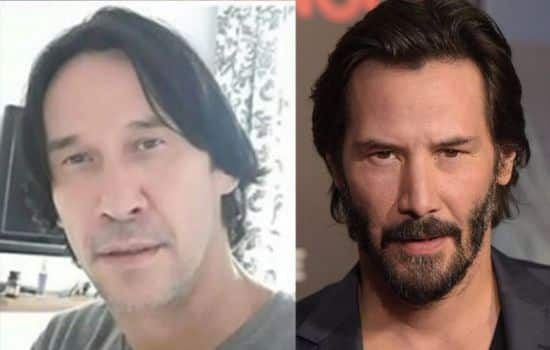
Maximizing the entertainment value of your celebrity match involves thoughtful presentation. The best social media posts include side-by-side comparisons showing your photo next to your celebrity twin, making the resemblance immediately visible to viewers.
Add context to your shares by including the percentage match and any surprising elements of the result. Did you match with someone unexpected? Is there a specific feature that created the match, like eye shape or smile? These details make your post more engaging.
Consider creating before-and-after style content where you attempt to style yourself more like your celebrity match through makeup, hair, or clothing choices. This extends the content’s lifespan and provides additional engagement opportunities.
🎨 Getting the Most Accurate Results Possible
While celebrity lookalike apps use sophisticated technology, the quality of your input directly affects result accuracy. Following best practices for photo submission ensures the algorithm has the clearest data to work with.
Lighting is paramount. Natural, diffused light that evenly illuminates your face produces the most accurate analysis. Harsh shadows, extreme backlighting, or dim conditions can obscure facial features and lead to less precise matches.
Face the camera straight on rather than at an angle. While profile or three-quarter views might be more flattering, they provide incomplete data for facial mapping. A direct, forward-facing photo captures all necessary landmarks for comprehensive analysis.
Use a neutral expression for baseline results. Smiling, frowning, or making exaggerated faces alters facial proportions and may lead to matches based on expression rather than underlying bone structure and features.
Common Mistakes That Affect Your Match Quality ⚠️
Many users inadvertently sabotage their results through simple oversights. Heavy makeup, particularly contouring or dramatic eye makeup, can alter perceived facial structure and confuse recognition algorithms.
Accessories like sunglasses, hats, or scarves that obscure facial features prevent proper analysis. Even bangs or hair falling across your face can impact results by hiding forehead shape and hairline positioning.
Photo filters and heavy editing also interfere with accurate matching. While it’s tempting to use your most polished Instagram photo, unedited images produce more reliable results. The algorithm needs to see your actual facial structure, not a digitally modified version.
Distance from the camera matters as well. Photos taken too close create distortion through lens perspective, while those taken too far may not provide sufficient detail for precise feature extraction. Aim for a comfortable selfie distance or arms-length positioning.
🌍 Cultural Impact and Global Celebrity Databases
The most inclusive celebrity lookalike apps feature databases spanning multiple countries, ethnicities, and entertainment industries. This global approach ensures users worldwide can find meaningful matches rather than being limited to Hollywood celebrities.
Apps that include Bollywood stars, K-pop idols, Latin American actors, European models, and African entertainment figures provide more representative results for diverse users. This inclusivity has been crucial to the apps’ international success and widespread adoption.
Cultural representation in technology matters deeply. When users from all backgrounds can see themselves reflected in the celebrity database, the experience feels more personalized and validating. This consideration separates exceptional apps from mediocre ones.
The technology also highlights fascinating patterns in facial features across different populations. Users often discover matches from unexpected regions, revealing the shared human characteristics that transcend geographical and cultural boundaries.
How Apps Update Their Celebrity Libraries 🔄
Maintaining current celebrity databases requires ongoing updates as new stars emerge and public figures rise to prominence. The best applications regularly refresh their libraries, adding trending celebrities from various platforms including TikTok, YouTube, and streaming services.
This continuous updating process ensures relevance, particularly for younger users who may not recognize older celebrities but eagerly compare themselves to current social media influencers and contemporary actors.
Some apps allow users to suggest celebrity additions, creating a crowdsourced approach to database expansion. This feature keeps the application responsive to user interests and emerging entertainment trends across different markets and demographics.
💡 Beyond Entertainment: Unexpected Uses and Applications
While primarily designed for fun, celebrity lookalike technology has found surprising practical applications. Casting directors occasionally use similar facial recognition tools to find actors who resemble specific types for roles or biographical films.
The technology has educational value as well, demonstrating artificial intelligence principles in an accessible, engaging format. Students learning about machine learning, computer vision, or data science can examine these apps as real-world examples of complex algorithms.
Some users report increased confidence after discovering they resemble attractive celebrities. While external validation shouldn’t define self-worth, the positive psychological impact of these comparisons can genuinely boost mood and self-perception for many people.
Artists and photographers sometimes use the apps for inspiration, exploring how certain facial features create particular aesthetics or studying the geometry of widely recognized beautiful faces.
🚀 The Future of Facial Recognition in Entertainment Apps
Celebrity lookalike technology continues evolving rapidly as artificial intelligence advances. Future iterations will likely incorporate augmented reality features, allowing users to virtually “try on” their celebrity twin’s appearance through real-time filters.
We can expect increasingly sophisticated algorithms that account for aging, showing users which celebrity they resembled at different life stages or predicting future resemblances. This temporal dimension adds new entertainment value and practical interest.
Integration with other platforms seems inevitable, with social media networks potentially building native celebrity comparison features directly into their camera applications. This seamless integration would further mainstream the technology and increase usage frequency.
Voice analysis may also be incorporated, matching users with celebrities based on vocal characteristics in addition to facial features. This multimodal approach would create more comprehensive celebrity profiles and richer comparison experiences.
Ethical Considerations as Technology Advances 🤔
As facial recognition becomes more powerful and pervasive, ethical questions intensify. Issues around consent, data ownership, and potential misuse of biometric information require ongoing attention from developers, regulators, and users alike.
The entertainment application of this technology differs significantly from surveillance or identification purposes, but the underlying capabilities remain similar. Maintaining clear boundaries between fun applications and privacy invasion is crucial for the industry’s sustainable growth.
Transparency about data handling, algorithm training methods, and potential biases within recognition systems will become increasingly important. Users deserve to understand not just what results they receive, but how those results are generated and what happens to their data afterward.
🎯 Choosing the Right App for Your Needs
With numerous celebrity lookalike apps available across iOS and Android platforms, selecting the ideal option depends on your priorities. Consider whether you value speed, accuracy, database size, privacy features, or social sharing capabilities most highly.
Read recent reviews to gauge current performance, as apps frequently update with improved algorithms or expanded features. Pay attention to comments about accuracy, user interface quality, and whether the app requires subscriptions or contains excessive advertisements.
Free apps typically include ads or offer limited features with premium upgrades available. Determine whether occasional ads are acceptable or if you prefer paying upfront for an ad-free experience with full functionality.
Test multiple applications to compare results and user experience. You may discover different apps excel in different areas, with one providing better matches while another offers superior social sharing tools or a more intuitive interface.
✨ Making the Experience Even More Fun
Transform celebrity lookalike exploration into a social activity by hosting comparison parties where friends test the apps together. Group experiences amplify the entertainment value through shared reactions and friendly competition.
Create challenges around the results, such as attempting to dress like your celebrity match for a day or learning about lesser-known celebrities you resemble. These extensions deepen engagement and create lasting memories beyond the initial match.
Document your celebrity lookalike journey over time, comparing results from different ages or appearance changes. This creates a unique personal archive while potentially revealing how your resemblances shift with evolving features.
The magic of celebrity lookalike apps lies in their perfect blend of cutting-edge technology and timeless human curiosity. Whether you discover you’re a dead ringer for a Hollywood A-lister or match with someone completely unexpected, the experience offers a delightful moment of connection to the broader world of fame and beauty. As these applications continue improving and expanding their capabilities, they’ll remain popular tools for self-discovery, entertainment, and social connection in our increasingly digital culture.
