
Tracking your daily steps has never been easier thanks to modern smartphone technology and dedicated step counter apps that help you stay active and healthy.
Walking is one of the simplest yet most effective forms of exercise, and keeping track of your steps can motivate you to move more throughout the day. Whether you’re aiming for the popular 10,000 steps goal or simply want to monitor your activity levels, step counter apps provide valuable insights into your daily movement patterns.
These applications have evolved significantly over the years, transforming from basic pedometers into comprehensive fitness companions that track distance, calories burned, active minutes, and even provide social features to compete with friends. Let’s explore everything you need to know about step counting apps and how they can revolutionize your fitness journey.
📱 How Step Counter Apps Actually Work
Most modern smartphones come equipped with built-in accelerometers and gyroscopes that detect movement patterns. Step counter apps leverage these sensors to distinguish walking motions from other activities like driving or riding in an elevator.


The accelerometer measures acceleration forces, detecting when your phone moves up and down with your natural walking rhythm. Advanced algorithms then analyze these movement patterns to filter out false positives and accurately count each step you take throughout the day.
Unlike traditional pedometers that needed to be clipped to your waistband, smartphone apps can track steps whether your phone is in your pocket, purse, or even backpack. This convenience has made fitness tracking more accessible to millions of people worldwide.
🎯 Setting Realistic Step Goals for Your Lifestyle
While 10,000 steps per day has become the widely recognized benchmark, research suggests that this number isn’t necessarily magical for everyone. The origin of this goal traces back to a 1960s Japanese marketing campaign rather than scientific research.
Recent studies indicate that significant health benefits can be achieved with fewer steps, especially for sedentary individuals. Starting with 5,000 to 7,000 steps daily can provide substantial improvements in cardiovascular health and overall wellbeing.
Your ideal step count depends on several factors including age, fitness level, health conditions, and personal goals. Step counter apps allow you to customize targets based on your individual circumstances and gradually increase them as your fitness improves.
Personalizing Your Daily Targets
Begin by establishing your baseline—track your normal activity for a week without trying to change your habits. This gives you an honest starting point from which to build sustainable improvements.
Once you know your average, aim to increase by 500 to 1,000 steps per week until you reach your desired goal. This gradual approach prevents burnout and reduces injury risk while building lasting habits.
🏆 Key Features to Look for in a Step Counting App
Not all step counter applications are created equal. The best ones offer a combination of accuracy, user-friendly interfaces, and motivational features that keep you engaged long-term.
Battery efficiency is crucial since these apps run continuously in the background. Look for applications optimized to track your steps without draining your phone’s power throughout the day.
- Accurate step detection with minimal false counting from non-walking movements
- Distance and calorie tracking to provide comprehensive activity insights
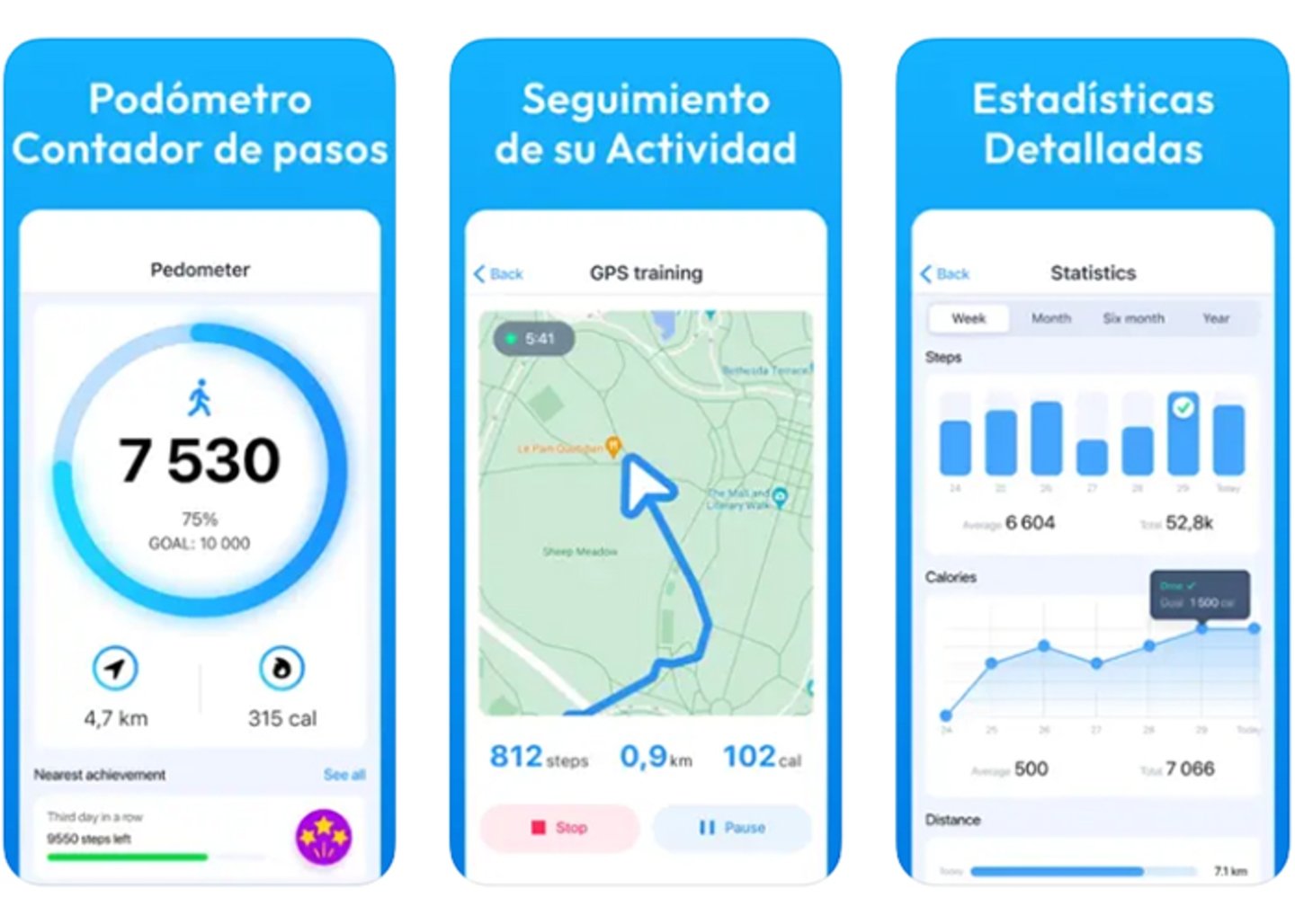
- Historical data visualization showing trends over days, weeks, and months
- Goal setting capabilities with customizable daily targets
- Motivational notifications reminding you to move when you’ve been inactive
- Social features allowing friendly competition with family and friends
- Integration with other fitness apps like Apple Health or Google Fit
- Minimal battery consumption for all-day tracking without constant charging
💡 Maximizing Accuracy in Your Step Count
To ensure your step counter app provides the most accurate data, you’ll need to properly configure it and understand its limitations. Start by entering accurate personal information including height, weight, age, and typical stride length.
Your stride length significantly impacts distance calculations. Most apps estimate this based on your height, but you can manually measure it by counting steps over a known distance for improved precision.
Carry your phone consistently in the same location—whether in your front pocket, back pocket, or bag—to maintain tracking consistency. Switching carrying positions frequently can affect accuracy and make trend analysis less reliable.
Calibrating for Better Results
Some advanced applications offer calibration features where you can walk a measured distance to help the app better understand your specific gait pattern. This personalization dramatically improves both step and distance accuracy.
Remember that activities like cycling, swimming, or strength training won’t be captured by step counters alone. Consider these as bonus exercises beyond your daily step goals rather than expecting them to add to your count.
🌟 Health Benefits Beyond Just Counting Steps
Regular walking tracked by step counter apps contributes to numerous health improvements that extend far beyond simple cardiovascular fitness. Studies consistently show that people who walk more experience better mental health, improved sleep quality, and enhanced cognitive function.
Walking 7,000 to 10,000 steps daily has been associated with reduced risk of chronic diseases including type 2 diabetes, certain cancers, and cardiovascular disease. The cumulative effect of consistent daily movement creates powerful long-term health dividends.
Mental health benefits are equally impressive. Regular walking reduces symptoms of depression and anxiety while boosting mood through the release of endorphins. Many users report that tracking their steps provides a sense of accomplishment that improves overall wellbeing.
🚀 Strategies to Increase Your Daily Step Count
Integrating more steps into your daily routine doesn’t require dramatic lifestyle changes. Small, consistent adjustments throughout your day can accumulate into significant increases in total activity.
Take phone calls while walking instead of sitting at your desk. Park farther away from building entrances. Use stairs instead of elevators whenever possible. These micro-changes become automatic habits that boost your step count effortlessly.
Schedule walking meetings with colleagues or walking catch-ups with friends instead of sedentary coffee dates. This transforms social time into active time without requiring additional hours from your busy schedule.
Making Movement a Natural Part of Your Day
Set hourly movement reminders on your step counter app to prompt brief walking breaks. Even two to three minutes of walking each hour adds hundreds of extra steps while reducing the health risks associated with prolonged sitting.
Create a morning or evening walking routine that becomes as automatic as brushing your teeth. Consistency at the same time each day builds powerful habits that persist even when motivation wanes.
📊 Understanding Your Activity Data and Trends
Step counter apps provide valuable data that reveals patterns in your activity levels. Reviewing weekly and monthly trends helps identify which days you’re most and least active, allowing you to strategically address low-activity periods.
Many people discover they walk significantly less on weekends or certain weekdays. Armed with this knowledge, you can plan specific activities for those low-movement days to maintain more consistent activity levels.
Seasonal trends also emerge in long-term data. You might notice decreased activity during winter months or periods of bad weather, enabling you to develop indoor walking strategies or alternative exercise plans for those times.
👥 Social Features and Community Motivation
Many step counter apps include social features that transform solitary walking into a shared experience. Competing with friends, joining challenges, or participating in virtual walking events adds an element of fun and accountability.
Research shows that social support significantly increases adherence to fitness goals. When you know friends are checking the leaderboard or expecting you to contribute to a team challenge, you’re more likely to prioritize reaching your step target.
Some apps create virtual walking routes where your accumulated steps take you on digital journeys to famous landmarks or beautiful destinations worldwide. This gamification adds an exploratory element that makes step counting more engaging.
🔋 Battery Life and Technical Considerations
Since step counter apps run continuously in the background, battery consumption is a legitimate concern. However, modern apps have become remarkably efficient, typically using only 2-5% of daily battery life on most smartphones.
The sensors used for step counting—accelerometers and gyroscopes—are low-power components designed for continuous operation. GPS, when used for route mapping, consumes significantly more power, so consider whether you need this feature constantly active.
Most quality step counter apps allow you to disable power-hungry features like GPS tracking while maintaining accurate step counting. This provides a good balance between functionality and battery conservation.
🎨 Customization and Personalization Options
Leading step counter applications offer extensive customization to match individual preferences and goals. From adjusting daily step targets to choosing which metrics display on your dashboard, personalization ensures the app serves your specific needs.
Visual customization options like themes, graph styles, and widget designs help create an interface you’ll enjoy checking regularly. When your fitness app is visually appealing and easy to navigate, you’re more likely to engage with it consistently.
Notification settings deserve careful attention. While reminders to move can be helpful, excessive notifications become annoying and may lead you to ignore or disable the app. Find a balance that motivates without overwhelming.
🔒 Privacy and Data Security Considerations
Step counter apps collect sensitive health and location data, making privacy an important consideration. Reputable applications clearly explain what data they collect, how it’s used, and who can access it.
Review privacy settings carefully and disable any data sharing you’re uncomfortable with. Most apps allow you to enjoy full functionality while keeping your information private rather than sharing it with third parties or advertisers.
Check whether the app stores data locally on your device or uploads it to cloud servers. Local storage provides greater privacy control, while cloud storage enables data access across multiple devices and protects against loss if your phone is damaged.
💪 Combining Step Counting with Other Fitness Activities
While step counting provides excellent baseline activity tracking, the most comprehensive fitness approach includes varied exercise types. Strength training, flexibility work, and higher-intensity cardio complement your daily walking beautifully.
Many step counter apps integrate with broader fitness platforms that track cycling, swimming, yoga, and other activities. This creates a complete picture of your overall fitness rather than focusing exclusively on steps.
Think of your daily step goal as your non-negotiable baseline activity, with other exercises as valuable additions. Even on days when you complete intense workouts, reaching your step target ensures you maintain general movement throughout the day.
🌍 Environmental and Weather Adaptations
Weather conditions and environmental factors shouldn’t derail your step counting goals. Indoor alternatives like mall walking, treadmill sessions, or even walking in place while watching television all contribute to your daily total.
Step counter apps track movement regardless of location, so indoor steps count just as much as outdoor ones. During extreme weather, shift your walking to climate-controlled environments rather than abandoning your goals entirely.
Some users find that rainy or cold days actually provide motivation to reach shopping centers or museums where they can combine walking with other enjoyable activities, making inclement weather an opportunity rather than an obstacle.
🎯 Turning Step Data into Lasting Lifestyle Changes
The ultimate value of step counter apps lies not in the numbers themselves but in the behavioral changes they inspire. Use your accumulated data to identify opportunities for increased movement that fit naturally into your existing routine.
Celebrate milestones like your first 10,000-step day or a month of consistently meeting your goals. These celebrations reinforce positive behaviors and build the emotional connection necessary for lasting habit formation.
As walking becomes habitual, you may find yourself naturally seeking opportunities to move more without needing to consciously think about it. This automatic behavior represents the true success of step counting—transforming intentional effort into effortless lifestyle.
Remember that occasional low-step days don’t erase your progress or negate your efforts. Life happens, and flexibility within your fitness approach prevents the all-or-nothing thinking that derails many health journeys. Step counter apps provide the feedback and motivation to maintain consistency over time, which ultimately matters far more than perfection on any single day.
Whether you’re just beginning your fitness journey or looking to quantify your existing activity levels, step counter apps offer accessible, practical tools for improving health. By understanding how these applications work and implementing the strategies outlined above, you can transform simple step counting into a powerful catalyst for comprehensive lifestyle improvement.
