
Finding a reliable and affordable car can be challenging, but the right mobile app can transform your search into a smooth and rewarding experience. 🚗


Technology has revolutionized how we buy and sell vehicles. Gone are the days when finding a cheap car meant spending weekends visiting dealerships or scanning newspaper classifieds.
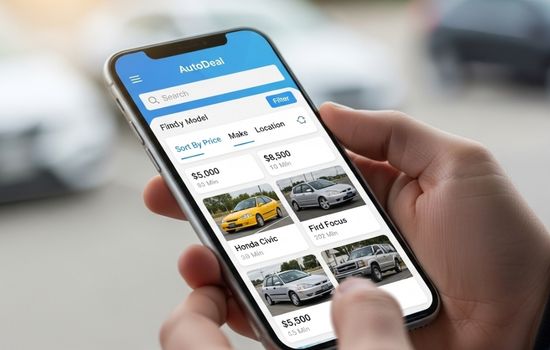
Today, specialized mobile applications put thousands of vehicle listings right in your pocket, complete with detailed photos, verified information, and competitive pricing.
Whether you’re a first-time buyer on a tight budget or simply looking for the best deal on your next vehicle, understanding which apps offer the most value can save you both time and money.
Let’s explore everything you need to know about using mobile apps to find affordable cars.
📱 Why Mobile Apps Are Revolutionizing Car Shopping
The automotive marketplace has undergone a digital transformation that benefits budget-conscious buyers. Mobile apps provide instant access to inventory that would have taken weeks to discover through traditional methods. You can browse hundreds of vehicles during your commute, compare prices while having coffee, or set up alerts that notify you the moment a car matching your criteria hits the market.
These platforms aggregate listings from private sellers, dealerships, and certified dealers, creating a comprehensive marketplace. The competition among sellers naturally drives prices down, giving you leverage as a buyer. Many apps also include financing calculators, inspection services, and price comparison tools that help you identify genuinely good deals versus overpriced listings.
🔍 Key Features to Look for in a Car Buying App
Not all automotive apps are created equal. The best platforms for finding cheap cars share several essential characteristics that enhance your shopping experience and protect your investment.
Advanced Search Filters
Robust filtering capabilities allow you to narrow down thousands of listings to only those matching your specific needs. Look for apps that let you set parameters for price range, mileage, year, make, model, transmission type, fuel economy, and location. The more granular the filters, the faster you’ll find your ideal affordable vehicle.
Price Analysis Tools
Smart apps incorporate pricing intelligence that shows whether a listing is priced fairly, above, or below market value. These tools analyze comparable vehicles in your area and provide insights that strengthen your negotiating position. Knowing a car is overpriced by 15% gives you concrete evidence when making an offer.
Inspection Reports and Vehicle History
Buying cheap doesn’t mean buying problematic. Quality apps integrate vehicle history reports showing accident records, ownership changes, service history, and title status. Some platforms offer professional inspection services where certified mechanics evaluate the car before you commit, adding an essential layer of protection.
Direct Communication Channels
The ability to message sellers directly through the app streamlines the buying process. In-app messaging keeps your personal information private until you’re ready to share it and creates a record of all communications, which can be valuable if disputes arise.

💰 Smart Strategies for Finding the Best Deals
Having the right app is only half the equation. Knowing how to use it strategically separates savvy buyers from those who overpay. These proven tactics help you uncover hidden gems and negotiate better prices.
Set Up Multiple Alert Systems
Create saved searches with your ideal criteria and enable push notifications. Being among the first to see new listings gives you a significant advantage, especially for exceptional deals that attract multiple buyers. Sellers often price aggressively when initially listing, making early contact crucial.
Expand Your Geographic Radius
While searching locally is convenient, expanding your range by 50 or 100 miles can reveal substantially better deals. Regional market variations mean the same car might cost 20% less just one state over. Factor in the travel cost, but don’t let arbitrary boundaries limit your options.
Research Seller Reputation
Most apps include seller ratings and reviews. Established sellers with positive histories are more likely to price fairly and disclose issues honestly. While private sellers can offer great deals, working with reviewed and rated parties reduces risk.
Look Beyond Popular Models
High-demand vehicles carry premium pricing. Consider reliable but less trendy alternatives that offer similar features at lower prices. A slightly older model year or less fashionable body style can deliver identical functionality for significantly less money.
🛡️ Protecting Yourself from Scams and Bad Deals
The convenience of app-based car shopping unfortunately attracts scammers alongside legitimate sellers. Protecting yourself requires vigilance and following established safety protocols.
Never send money before seeing the vehicle in person. Scammers create fake listings with below-market prices specifically to target eager bargain hunters. If a deal seems impossibly good, it probably involves fraud. Legitimate sellers understand that reasonable buyers want to inspect vehicles before purchasing.
Always meet in public locations, preferably during daylight hours. Many police stations offer designated areas for online transaction meetings, providing safety and deterring dishonest sellers. Bring someone with you when test driving, and never give your personal information beyond what’s necessary for contact.
Insist on seeing the title and verifying that the seller’s name matches the title. Run the VIN through multiple services to check for discrepancies in reported accidents, odometer readings, or liens. Apps may provide one report, but cross-referencing with additional services adds security.
📊 Understanding Market Timing for Maximum Savings
Car prices fluctuate based on predictable market patterns. Shopping during optimal times can save you hundreds or thousands of dollars on identical vehicles.
| Time Period | Price Advantage | Reason |
|---|---|---|
| End of Month | Moderate | Dealers need to meet quotas |
| End of Quarter | High | Strong pressure to close deals |
| Winter Months | Moderate to High | Lower demand for vehicle shopping |
| New Model Release | Very High | Outgoing models discounted |
| Holiday Weekends | Moderate | Special sales events |
Monitoring apps consistently over several weeks helps you recognize normal price ranges. When you spot a listing significantly below the pattern, you’ve likely found either a motivated seller or a vehicle with undisclosed issues requiring investigation.
🔧 Evaluating Vehicle Condition Through App Listings
Photos and descriptions tell stories if you know how to read them. Developing skills to assess vehicle condition remotely saves time by filtering out problem cars before scheduling viewings.
Photo Analysis Techniques
Examine listing photos carefully for telltale signs. Mismatched paint between panels suggests accident repairs. Unusual tire wear patterns indicate alignment or suspension problems. Worn driver’s seat bolsters or faded steering wheels reveal high mileage even if the odometer reading seems low.
Quality sellers provide numerous clear photos from multiple angles, including interior shots, engine compartment, undercarriage, and trunk. Limited or poor-quality images often hide problems. Don’t hesitate to request additional photos of specific areas before committing to a viewing.
Description Red Flags
Vague descriptions lacking specific information warrant caution. Sellers should readily provide maintenance history, reason for selling, and known issues. Phrases like “selling as-is” or “needs minor work” often conceal major problems that make cheap cars expensive mistakes.
Conversely, detailed descriptions demonstrating pride of ownership typically indicate well-maintained vehicles. Sellers who document service records, recent repairs, and careful maintenance usually price fairly and disclose honestly.
💳 Financing Options Within Car Buying Apps
Many modern automotive apps have integrated financing marketplaces that connect buyers with lenders competing for your business. This competition often produces better rates than traditional bank loans or dealer financing.
Pre-qualification features let you check rates without impacting your credit score, helping you understand your budget before falling in love with a specific car. Having financing arranged before negotiating strengthens your position, transforming you into a “cash buyer” from the seller’s perspective.
Compare rates from multiple lenders within the app and through your existing banking relationships. Even small interest rate differences compound significantly over loan terms, potentially saving thousands. Credit unions often offer particularly competitive rates for used vehicle purchases.
🚙 Best Vehicle Types for Budget Buyers
Certain vehicle categories consistently offer better value for budget-conscious shoppers. Understanding which types depreciate favorably and offer low ownership costs maximizes your purchasing power.
Compact Sedans
Brands known for reliability like Honda Civic, Toyota Corolla, and Mazda3 hold value well but become affordable as they age. Their excellent fuel economy, low maintenance costs, and proven longevity make them smart budget choices. Parts availability keeps repair costs reasonable.
Mid-Size SUVs
Slightly older mid-size SUVs from mainstream manufacturers offer versatility and space at reasonable prices. Models five to eight years old have absorbed significant depreciation but typically still offer many service years. Look for versions with naturally aspirated engines and proven transmissions.
Certified Pre-Owned Programs
While slightly more expensive than private party purchases, certified pre-owned (CPO) vehicles from manufacturers include warranty coverage and thorough inspections. For risk-averse buyers, the additional cost provides valuable peace of mind and protection against unexpected repairs.
📝 Essential Documents and Paperwork
Proper documentation protects your investment and ensures legal ownership transfer. Before finalizing any purchase through an app-connected deal, verify you’ll receive all necessary paperwork.
- Clear Title: Ensure the title is in the seller’s name with no liens or encumbrances
- Bill of Sale: Document the transaction details, price, and both parties’ information
- Odometer Disclosure: Federal law requires accurate mileage documentation
- Emissions Certificate: If required in your state, confirm the vehicle has passed recent testing
- Service Records: While not legally required, maintenance documentation adds value
- Warranty Information: If any coverage remains, obtain transfer documents
Many states require additional forms specific to their registration processes. Research your local DMV requirements before meeting the seller to ensure you can legally complete the transaction that day.
🎯 Negotiation Tactics That Work Through Apps
Successful negotiation through mobile platforms requires different approaches than face-to-face discussions. Written communication demands clarity while maintaining politeness and professionalism.
Start by expressing genuine interest and asking thoughtful questions about the vehicle’s history and condition. This builds rapport while gathering information that may reveal negotiation opportunities. If the seller mentions recent repairs or upcoming maintenance, you’ve identified leverage points.
Present your lower offer with specific justification based on market research, vehicle condition, or necessary repairs. Apps with built-in pricing tools provide objective data supporting your position. Avoid lowball offers that insult sellers, but don’t be afraid to negotiate 10-20% below asking price for vehicles priced at market value.
Be prepared to move quickly when a seller accepts your offer. Have financing arranged, inspection scheduled, and be ready to meet within 24-48 hours. Motivated buyers who demonstrate readiness often receive better deals than those who delay.
🌟 Making the Final Decision with Confidence
After narrowing your options, conducting thorough research, and negotiating price, the final decision still requires careful consideration. Take time to reflect on whether the vehicle truly meets your needs and budget.
Test drive the car in various conditions—highway speeds, stop-and-go traffic, rough roads, and parking maneuvers. Listen for unusual noises, feel for vibrations, and test all features and controls. Bring a trusted mechanic or knowledgeable friend if you lack mechanical expertise.
Calculate total ownership costs beyond the purchase price. Research insurance rates for the specific model, estimate fuel costs based on your driving patterns, and investigate common repair expenses. A cheap purchase that requires expensive maintenance ultimately costs more than a slightly pricier reliable option.
Trust your instincts. If something feels wrong or the seller pressures you, walk away. Thousands of vehicles are listed daily, and another opportunity will appear. The right combination of fair price, good condition, and honest seller is worth waiting for.
Mobile apps have democratized car buying, giving individual buyers tools and information once available only to dealers. By combining the right platform with smart shopping strategies, patient research, and thorough evaluation, you can find a reliable affordable vehicle that serves you well for years. The perfect cheap car is out there waiting—your smartphone holds the key to finding it. 🔑
