

Losing everyday items like keys, wallets, or bags is a universal frustration that costs us time, stress, and sometimes money. Fortunately, modern technology offers smart solutions through object detector apps.


Whether you’ve misplaced your phone somewhere in your home or left your backpack at a café, the anxiety that follows is all too familiar. These moments disrupt our day and remind us just how dependent we’ve become on our belongings. The good news is that technology has evolved to address this common problem through innovative applications designed specifically to locate lost objects.
From Bluetooth-enabled trackers to sophisticated GPS systems, lost object detector apps have transformed the way we keep track of our valuables. These applications work seamlessly with small tracking devices that attach to your belongings, creating a network of findable items right from your smartphone. Let’s explore how these revolutionary tools work and why they’ve become essential for millions of people worldwide.
🔍 How Lost Object Detector Apps Actually Work
Lost object detector applications operate through a combination of wireless technologies, primarily Bluetooth Low Energy (BLE) and GPS tracking systems. When you attach a small tracking device to an item like your keys or wallet, it maintains a constant connection with your smartphone through the companion app.
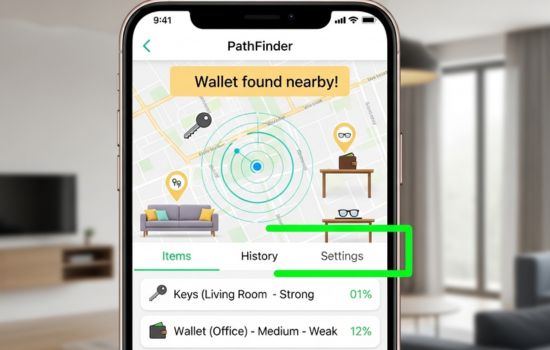
The app continuously monitors the signal strength between your phone and the tracker. When an item goes missing, you can trigger the tracker to emit a sound, making it easier to locate even when it’s tucked between couch cushions or buried in a bag. The closer you get to the lost item, the stronger the signal becomes, helping you narrow down its exact location.
Many modern apps also leverage crowd-sourcing technology. If your item is out of Bluetooth range, other users’ devices running the same app can anonymously detect your tracker and update its location on your map. This creates a vast network of millions of devices working together to help you find your belongings, all while maintaining complete privacy.
📱 Top Features That Make These Apps Essential
The best lost object detector apps come packed with features that go beyond simple tracking. Understanding these capabilities helps you choose the right solution for your needs and maximize the technology’s potential.
Proximity Alerts and Separation Warnings
One of the most valuable features is the separation alert. Your app will notify you the moment you move too far away from a tracked item. Imagine leaving a restaurant without your bag—your phone would immediately alert you before you’ve driven away, potentially saving you from losing the item altogether.
This proactive approach to item security means you’re not just finding lost objects; you’re preventing loss in the first place. You can customize the distance threshold for each item based on how you use it.
Community Find Network 🌐
The crowd-finding feature represents a breakthrough in lost object recovery. When your item is truly lost and far from your location, millions of other users become your search team without even knowing it. Their devices automatically and anonymously report the location of your tracker when detected.
This feature has helped reunite people with items lost in airports, on public transportation, and even in different countries. The network operates silently in the background, respecting everyone’s privacy while creating a powerful safety net for lost belongings.
Location History and Last Seen Map
Every time your tracker connects with your phone, the app records that location. This creates a breadcrumb trail showing where you’ve been with your tracked items. If something goes missing, you can review the location history to remember where you last had it.
The “last seen” feature is particularly helpful. Even if the battery dies or the item moves out of range, you’ll know exactly where and when you last had a connection, giving you a starting point for your search.

🎯 What Items Benefit Most from Tracking Technology
While you can theoretically attach a tracker to anything, certain items provide the greatest return on investment when it comes to tracking technology. Understanding which belongings to prioritize helps you build an effective tracking system.
Keys and keychains top the list of commonly tracked items. Studies show that the average person spends nearly six minutes per day searching for misplaced keys. A tracker eliminates this daily frustration entirely and can prevent lockouts that cost time and money.
Wallets and purses represent another priority category. Beyond the inconvenience of losing these items, they often contain identification, credit cards, and cash. Quick recovery prevents potential identity theft and financial complications.
Backpacks and luggage benefit enormously from tracking technology, especially for travelers. Airlines mishandle millions of bags annually, and having real-time location data gives you peace of mind and leverage when dealing with lost luggage claims.
Remote controls might seem trivial, but they’re among the most frequently misplaced household items. Attaching a thin tracker to your TV remote or garage door opener saves countless minutes of searching.
Pets with collars can also benefit from these technologies, though specialized pet trackers often work better for animals that roam greater distances. For indoor pets or neighborhood cats, standard object trackers provide a cost-effective solution.
💡 Choosing the Right App and Tracker Ecosystem
Not all lost object detector apps are created equal, and the tracker hardware matters just as much as the software. Several factors should influence your decision when selecting a system.
Compatibility and Integration
First, ensure the app works with your smartphone’s operating system. Some tracking ecosystems are exclusive to iOS or Android, while others offer cross-platform support. If you have devices on both platforms, choose a system that works seamlessly across them.
Integration with smart home systems and virtual assistants adds convenience. Being able to ask your voice assistant to find your keys or wallet makes the technology even more accessible.
Battery Life Considerations 🔋
Tracker battery life varies dramatically between models. Some use replaceable coin cell batteries lasting six months to a year, while others feature rechargeable batteries requiring monthly charging. Consider your tolerance for maintenance when making this choice.
Apps typically notify you when a tracker’s battery runs low, but frequent notifications can become annoying. Longer battery life generally means less maintenance and fewer reminders.
Size, Design, and Durability
Trackers come in various form factors—from credit card thickness for wallets to keychain-friendly designs with attachment loops. Some are water-resistant or even fully waterproof, which matters if you’ll use them on items exposed to the elements.
The design should complement how you’ll use it. A bulky tracker might be fine for a backpack but impractical for a slim wallet. Aesthetics matter too, since you’ll see these devices daily.
Network Size and Geographic Coverage
The effectiveness of crowd-finding features depends entirely on how many users participate in the network. Larger ecosystems with more active users provide better coverage, especially in less populated areas or foreign countries.
Research the user base size before committing to a platform. The most popular systems have hundreds of millions of active devices, creating truly global coverage.
🛡️ Privacy and Security in Object Tracking
With great tracking power comes important privacy considerations. Reputable lost object detector apps implement robust security measures to protect user data and prevent misuse.
End-to-end encryption ensures that only you can see your item locations. Even the company providing the service cannot access your location data. Anonymous crowd-finding means that when someone else’s device detects your tracker, neither of you can identify the other.
However, these technologies have occasionally been misused for unwanted tracking of people. Modern apps now include anti-stalking features that alert you if an unknown tracker appears to be traveling with you. These protections are continually evolving as manufacturers work to prevent abuse while maintaining legitimate tracking functionality.
Always review the privacy settings within your chosen app and understand what data gets collected, how it’s used, and who can access it. Legitimate companies are transparent about these policies and give you control over your information.
📊 Comparing Popular Lost Object Detector Platforms
Several major platforms dominate the lost object detection market, each with distinct strengths and considerations.
| Feature | Apple AirTag Ecosystem | Tile Network | Samsung SmartTag |
|---|---|---|---|
| Network Size | Massive (billions of Apple devices) | Large (millions of users) | Growing (Samsung device users) |
| Cross-Platform | iOS primarily, limited Android detection | iOS and Android fully supported | Android, limited iOS support |
| Battery Type | Replaceable (1 year) | Varies by model | Replaceable (months vary) |
| Water Resistance | IP67 rated | Varies by model | IP53 rated |
| Price Range | Moderate | Budget to moderate | Moderate |
Each platform excels in different scenarios. Apple’s ecosystem benefits from the largest find network but works best for iPhone users. Tile offers the most flexibility across platforms and device types. Samsung’s solution integrates beautifully with Galaxy devices and smart home products.
🚀 Advanced Tips for Maximizing Your Tracking System
Once you’ve chosen an app and trackers, implementing these strategies will help you get the most value from your investment.
Strategic Tracker Placement
Don’t just attach trackers randomly. Think about your daily routines and which items you misplace most often. Place trackers on those high-priority items first. For items you rarely lose, consider whether tracking is necessary.
Use naming conventions that make sense. Instead of “Tracker 1,” use descriptive names like “Car Keys” or “Work Backpack.” When you’re searching in a hurry, clear labels save precious seconds.
Regular App and Firmware Updates
Keep both your app and tracker firmware updated. Manufacturers regularly improve accuracy, add features, and patch security vulnerabilities. Enable automatic updates when possible to ensure you’re always running the latest version.
Create Smart Alerts Based on Location 📍
Many apps allow location-based notifications. Set up alerts to remind you to grab certain items when leaving specific locations. For example, remind yourself to take your gym bag when leaving home on weekday mornings, or alert yourself if you leave your laptop at the office.
Share Tracker Access with Family
Most platforms allow you to share access to specific trackers with trusted family members. This means anyone in your household can help locate the TV remote, and if you lose your phone, a family member can track it for you.
🌟 Real-World Success Stories and Use Cases
The practical benefits of lost object detector apps extend far beyond finding misplaced TV remotes. Users worldwide have shared remarkable stories of how this technology saved the day.
Travelers have tracked luggage through complex international connections, identifying exactly when and where airlines misrouted their bags. This data proved invaluable when filing claims and expediting recovery. One user even tracked a stolen suitcase to a specific address, leading to its recovery by local authorities.
Parents have found peace of mind by tracking children’s backpacks, ensuring they haven’t left expensive equipment at school or on the bus. The location history feature helps retrace steps when items go missing during busy school days.
Photographers and professionals with expensive equipment use trackers on camera bags and instrument cases. The immediate separation alerts have prevented countless instances of leaving valuable gear behind at venues and events.
Elderly individuals and those with memory challenges benefit significantly from this technology. Caregivers can help locate frequently misplaced items without frustration, maintaining independence while providing a safety net.
🔮 The Future of Lost Object Detection Technology
Object tracking technology continues evolving rapidly, with exciting developments on the horizon that will make these systems even more powerful and intuitive.
Ultra-wideband (UWB) technology is already appearing in premium trackers, offering pinpoint accuracy that guides you directly to lost items with visual and haptic feedback. This technology can determine location within centimeters rather than meters, transforming the search experience.
Artificial intelligence integration will enable predictive features, learning your routines and proactively alerting you before you forget items. Imagine your app reminding you to grab your umbrella because it knows you’re heading to a location where rain is forecasted, and you usually forget it there.
Extended battery life through energy harvesting technologies may eventually eliminate battery replacements entirely. Some experimental trackers already use kinetic energy from movement or solar charging to extend operational life indefinitely.
Augmented reality features will overlay directional arrows and distance information in your camera view, turning item searches into a guided experience. Point your phone camera around a room, and virtual indicators will show you exactly where to look.
💰 Cost-Benefit Analysis: Is It Worth the Investment?
Implementing a comprehensive tracking system requires upfront investment, but the returns quickly justify the expense for most users. A quality tracker typically costs between $20-35, with multi-packs offering better value.
Consider what you spend on replacing lost items annually. Keys cost $100-300 to replace depending on vehicle technology. Lost wallets mean replacing cards and identification, averaging $200-400 in time and fees. Misplaced electronics can run into hundreds or thousands of dollars.
Beyond monetary savings, calculate the value of time saved. If you spend just five minutes daily searching for items, that’s over 30 hours per year—more than a full work week. The stress reduction and peace of mind add intangible value that many users consider priceless.
For frequent travelers, a single instance of quickly locating delayed luggage or preventing loss justifies the entire system’s cost. The same applies to parents managing multiple children’s belongings or professionals tracking expensive equipment.
🎓 Getting Started: Your First Steps
Ready to implement a lost object tracking system? Follow these steps to get started effectively and avoid common beginner mistakes.
- Assess your needs: Identify which three to five items you misplace most frequently. These should be your first tracking priorities.
- Research platforms: Based on your phone ecosystem and the items you want to track, determine which platform offers the best features and network coverage in your area.
- Start small: Purchase one or two trackers initially to test the system before investing in a complete set. This lets you evaluate real-world performance with your lifestyle.
- Set up properly: Take time to configure the app settings, create meaningful names, and establish alerts that match your routines.
- Practice using features: Familiarize yourself with all the app’s capabilities when items aren’t actually lost, so you’re comfortable using them during stressful situations.
- Expand gradually: Once you’ve confirmed the system works for your needs, add trackers to additional items based on priority and budget.
✨ Transforming Daily Life Through Smart Tracking
Lost object detector apps represent more than just convenient gadgets—they’re tools that fundamentally improve daily life quality. The mental energy we waste wondering where we left our keys or wallet, the frustration of running late because we can’t find something important, and the financial impact of replacing lost items all diminish significantly.
This technology empowers us to focus on what matters rather than constantly managing the whereabouts of our belongings. It’s particularly valuable in our increasingly mobile and distracted world, where we juggle more items across more locations than ever before.
The best part? The technology keeps improving while becoming more affordable. What started as premium products for early adopters has evolved into accessible solutions for everyone. The network effects mean that as more people adopt these systems, they become more effective for all users.
Whether you’re constantly searching for your keys, worried about losing valuable items while traveling, or simply want to reduce daily stress, lost object detector apps offer a practical, proven solution. The small investment in trackers and a few minutes learning the app can save countless hours and significant money while providing invaluable peace of mind.
Take control of your belongings today and discover how this simple technology can eliminate one of modern life’s most persistent frustrations. Your future self—the one who will never spend 20 minutes searching for car keys again—will thank you. 🔑✨
