
In a world where climate change intensifies extreme weather events, having reliable apps to predict storms, hurricanes, and natural disasters has become essential for safety and preparedness.


Every year, millions of people worldwide face the devastating impacts of natural disasters. From powerful hurricanes sweeping across coastal regions to unexpected tornadoes tearing through communities, the need for accurate and timely weather information has never been more critical. Modern technology has equipped us with sophisticated tools that can predict these events with remarkable precision, potentially saving countless lives.
Weather prediction apps have evolved dramatically over the past decade, transforming from simple temperature displays to comprehensive disaster monitoring systems. These applications now integrate real-time satellite data, advanced meteorological models, and machine learning algorithms to provide users with detailed warnings about approaching threats. Whether you’re a coastal resident concerned about hurricanes, a farmer monitoring drought conditions, or simply someone planning outdoor activities, these apps have become indispensable companions in our daily lives.
🌪️ Why Storm and Disaster Prediction Apps Matter Today
The frequency and intensity of extreme weather events have increased significantly over recent years. Climate scientists attribute this trend to global warming, which disrupts traditional weather patterns and creates conditions favorable for catastrophic events. In this context, having access to reliable prediction tools isn’t just convenient—it’s a matter of survival.
Traditional weather forecasting methods relied heavily on static data points and periodic updates from meteorological stations. Today’s apps, however, offer continuous monitoring and personalized alerts based on your exact location. They can detect storm formation in its earliest stages, track its movement with precision, and provide minute-by-minute updates as conditions evolve.
These applications serve multiple purposes beyond simple forecasting. They educate users about different types of weather phenomena, explain safety protocols during emergencies, and even connect communities through crowdsourced weather reporting. Some advanced platforms incorporate artificial intelligence to learn from past events and improve prediction accuracy continuously.
🔍 Key Features That Define Excellent Weather Prediction Apps
Not all weather apps are created equal, especially when it comes to predicting severe weather events and natural disasters. The most effective applications share several critical characteristics that set them apart from basic weather widgets.
Real-Time Radar and Satellite Imagery
High-quality weather apps provide live radar displays that show precipitation intensity, storm movement, and cloud formations. These visual representations help users understand not just what’s happening, but where it’s heading. Satellite imagery adds another layer of insight, particularly for tracking large-scale systems like hurricanes and tropical storms.
The best apps update their radar data every few minutes, ensuring that users have access to the most current information available. This frequency becomes crucial during rapidly developing situations where conditions can change dramatically within a short timeframe.
Multi-Layer Mapping Systems
Advanced prediction apps offer multiple data layers that users can toggle on and off according to their needs. These might include temperature gradients, wind speed and direction, humidity levels, atmospheric pressure, lightning strike locations, and even air quality indices. By overlaying different data types, users can gain comprehensive understanding of complex weather systems.
Wind visualization features have become particularly popular, showing animated flows that make invisible air currents visible. This capability proves invaluable for sailors, pilots, and anyone needing to understand wind patterns for safety or recreational purposes.

Customizable Alert Systems
Personalization makes the difference between useful notifications and overwhelming noise. Top-tier weather apps allow users to define exactly what types of alerts they want to receive, the severity threshold that triggers notifications, and which locations they want to monitor. This customization ensures that you’re informed about genuine threats without being bombarded by irrelevant updates.
Some applications employ intelligent notification systems that learn from user behavior, gradually refining when and how they send alerts. Others integrate with local emergency management systems to deliver official warnings directly through the app interface.
🌊 Hurricane Tracking: Specialized Features for Tropical Storms
Hurricanes represent some of nature’s most powerful and destructive forces. Apps designed for hurricane tracking go beyond general weather forecasting to provide specialized tools tailored to these massive storm systems.
Hurricane tracker features typically display the storm’s current position, projected path (often called the “cone of uncertainty”), wind speeds, pressure readings, and classification category. Historical tracking data shows where the hurricane has been, helping meteorologists and users understand its behavior patterns.
Many apps incorporate multiple forecast models simultaneously, showing different potential paths that experts are considering. This multi-model approach gives users a more nuanced understanding of the uncertainty inherent in long-range hurricane forecasting. While the storm might follow the center line of projections, seeing the range of possibilities helps people prepare appropriately.
Advanced hurricane apps also provide detailed information about storm surge predictions, rainfall accumulations, and potential tornado spawning associated with the system. These secondary hazards often cause more damage than the hurricane’s winds themselves, making comprehensive information crucial for proper preparation.
⚡ Tornado and Severe Thunderstorm Detection
Unlike hurricanes, which develop slowly over warm ocean waters and can be tracked for days, tornadoes form quickly and with less warning. Apps focused on tornado detection must operate with extreme speed and precision to provide meaningful advance notice.
Modern tornado detection relies heavily on Doppler radar technology, which can identify rotation within thunderstorms—a key indicator of potential tornado formation. The best apps display this rotation data clearly, allowing users to understand not just where storms are located, but which ones pose the greatest tornado threat.
Polygon-based warning systems have become standard in quality weather apps. Rather than issuing county-wide alerts (which might cover hundreds of square miles), these apps show the specific area under warning, often a corridor just a few miles wide along the expected tornado path. This precision reduces false alarms and helps people understand their actual risk level.
Lightning detection features complement tornado tracking by showing real-time strike locations. Since lightning can strike up to 10 miles from a thunderstorm, these displays help users gauge safe distances and know when it’s appropriate to seek shelter.
🌍 Earthquake Monitoring and Early Warning Systems
While weather apps primarily focus on atmospheric phenomena, many comprehensive disaster prediction platforms now include earthquake monitoring capabilities. These features represent a different technological challenge since earthquakes provide even less warning time than tornadoes.
Earthquake early warning systems detect the initial, less destructive P-waves that travel faster than the damaging S-waves. By sensing these P-waves and rapidly calculating the earthquake’s location and magnitude, systems can provide seconds to minutes of warning before strong shaking arrives. While this might sound minimal, even a few seconds allows people to drop, cover, and hold on, potentially preventing serious injuries.
Apps with earthquake features typically display recent seismic activity on interactive maps, showing magnitude, depth, and exact location of events worldwide. Users can set up alerts for earthquakes above certain magnitude thresholds in regions they care about, staying informed about seismic activity affecting friends, family, or business interests abroad.
📱 How These Apps Gather and Process Information
Understanding the technology behind weather prediction apps helps users appreciate their capabilities and limitations. These applications aggregate data from numerous sources, creating a comprehensive picture of current and future atmospheric conditions.
Government meteorological agencies provide the foundation of most weather data. Organizations like NOAA (National Oceanic and Atmospheric Administration), the European Centre for Medium-Range Weather Forecasts, and various national weather services operate extensive networks of weather stations, ocean buoys, weather balloons, and satellites that continuously monitor conditions globally.
Weather apps don’t just display this raw data—they process it through sophisticated computer models that simulate atmospheric physics. These models divide the atmosphere into three-dimensional grids and calculate how conditions in each cell will evolve based on established physical principles. Different models use different assumptions and resolutions, which explains why forecasts sometimes vary between apps and sources.
Machine learning has recently revolutionized weather prediction. By analyzing decades of historical weather data alongside actual outcomes, artificial intelligence systems can identify patterns that traditional physics-based models might miss. Some cutting-edge apps now blend classical meteorological models with AI-enhanced predictions to achieve superior accuracy.
🛡️ Using Weather Apps for Emergency Preparedness
Downloading a weather app represents just the first step toward effective disaster preparedness. Maximizing these tools’ protective value requires understanding how to interpret their information and translate it into appropriate action.
When a severe weather alert appears on your device, resist the temptation to dismiss it immediately. Take a moment to understand what type of threat is approaching, when it’s expected to arrive, and what protective actions are recommended. Most quality apps provide this context directly within their notifications.
Create a family communication plan that incorporates your weather app. Designate one person to monitor conditions and relay information to other family members who might not have smartphones or might be in situations where checking apps is difficult. Discuss in advance what different alert levels mean and what actions each family member should take.
Practice makes perfect when it comes to emergency response. Use minor weather events as rehearsals for more serious situations. When a severe thunderstorm warning is issued, even if you’re not particularly worried, go through the motions of gathering family members, securing outdoor items, and moving to your designated safe space. This practice ensures everyone knows their role when a genuine threat emerges.
🌐 Popular Apps Leading the Disaster Prediction Field
Several weather applications have distinguished themselves through exceptional functionality, accuracy, and user experience. While individual preferences vary, certain platforms consistently receive recognition from meteorologists, emergency managers, and everyday users.
Windy has earned widespread acclaim for its stunning visualization of weather data. The app’s animated wind maps captivate users while providing genuinely useful information about atmospheric conditions. Beyond its beautiful interface, Windy offers multiple forecast models, detailed radar, and comprehensive data layers that satisfy both casual users and weather enthusiasts.
The Weather Channel app combines consumer-friendly design with serious meteorological capabilities. Its partnership with IBM’s Watson artificial intelligence system enables hyper-local forecasting that can predict precipitation down to your specific street. The app’s video content and articles provide context that helps users understand the weather affecting them.
For users seeking specialized hurricane information, apps dedicated specifically to tropical cyclone tracking offer unmatched detail during storm season. These platforms display every available forecast model, provide detailed storm statistics, and offer historical hurricane data for comparison purposes.
💡 Tips for Choosing the Right App for Your Needs
With hundreds of weather apps available across app stores, selecting the right one for your situation can feel overwhelming. Consider these factors when making your decision.
Evaluate the specific weather threats most relevant to your location. Coastal residents should prioritize apps with strong hurricane tracking features, while those in the central plains might emphasize tornado detection capabilities. People in earthquake-prone regions benefit from apps that incorporate seismic monitoring alongside weather forecasting.
Consider the balance between features and usability. Some apps offer incredible depth with dozens of data layers and customization options, which weather enthusiasts love but might overwhelm casual users. Others focus on simplicity, presenting essential information in clean, approachable interfaces. Think honestly about your technical comfort level and how much complexity you actually want.
Check the app’s data sources and update frequency. Applications that draw from multiple meteorological models and update radar data every few minutes provide more reliable information than those relying on single sources with infrequent updates. User reviews often mention data freshness, giving you insight into real-world performance.
Test the notification system before relying on it for emergencies. Some apps send timely, relevant alerts that arrive exactly when needed. Others either fail to notify users of genuine threats or spam them with unnecessary warnings. Download your chosen app well before disaster season begins, allowing time to adjust settings and ensure notifications work properly.
🔮 The Future of Weather Prediction Technology
Weather forecasting technology continues advancing at a remarkable pace. Understanding emerging trends helps users anticipate capabilities that will soon become standard in disaster prediction apps.
Artificial intelligence will play an increasingly central role in weather forecasting. While current AI applications primarily enhance existing models, future systems may develop entirely novel approaches to prediction by identifying complex atmospheric patterns that humans and traditional models overlook. Some researchers predict that AI could extend accurate forecast horizons from the current 7-10 days to two weeks or longer.
Crowdsourced weather data represents another frontier. Apps that collect observations from millions of users—reporting current conditions, precipitation, temperature, and even photos of sky conditions—can fill gaps between official weather stations. This hyperlocal data improves nowcasting (predictions for the next few hours) and helps validate model outputs against real-world conditions.
Augmented reality features may soon transform how we interact with weather information. Imagine pointing your phone’s camera at the horizon and seeing an overlay showing approaching storms, their projected path, and estimated arrival time. This immersive presentation could make abstract forecast data more tangible and actionable for users.
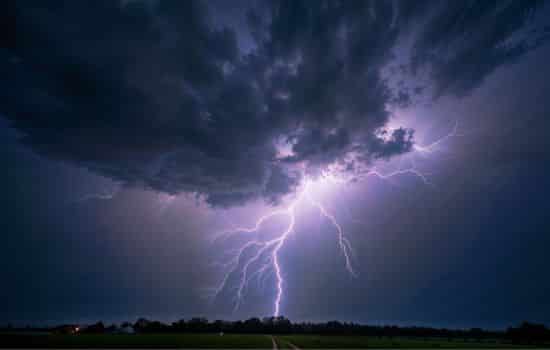
🌟 Staying Safe in an Unpredictable World
Technology has granted us unprecedented ability to anticipate nature’s fury, but prediction alone doesn’t guarantee safety. The most sophisticated weather app provides value only when users understand its information and act appropriately on its warnings.
Develop a comprehensive emergency plan that extends beyond weather app notifications. Maintain emergency supplies, establish communication protocols with family members, identify safe spaces in your home for different types of disasters, and practice your response procedures regularly. Apps serve as one component of preparedness, not a complete solution.
Stay informed about the weather phenomena that threaten your region. Understanding the difference between watches and warnings, knowing what different storm categories mean, and recognizing the signs of approaching severe weather complement the information apps provide. This knowledge helps you interpret app alerts within proper context.
Remember that forecasts, despite tremendous improvements in recent years, remain probabilistic rather than certain. Weather systems sometimes behave unexpectedly, defying even the most sophisticated models. Maintain healthy respect for nature’s power and err on the side of caution when making safety decisions based on forecast information.
As climate change continues altering weather patterns and increasing the frequency of extreme events, our reliance on accurate prediction tools will only grow. The apps we carry in our pockets today represent humanity’s best effort to understand and anticipate the atmospheric forces that shape our world. By choosing quality applications, learning to interpret their information correctly, and integrating them into comprehensive preparedness strategies, we harness technology’s power to protect ourselves and our communities from nature’s most dangerous moods.
