
Mobile security has become essential in our digital lives, and choosing the right app antivirus can mean the difference between protection and vulnerability.


As smartphones store increasingly sensitive information—from banking credentials to personal photos and work documents—the need for robust mobile protection grows exponentially. Cybercriminals have adapted their tactics specifically for mobile platforms, creating threats that traditional desktop security cannot address.
Understanding how app antivirus solutions work and which features matter most can empower you to make informed decisions about your digital safety. This comprehensive guide explores everything you need to know about mobile antivirus applications, from core functionalities to advanced protection features.
🔍 Why Your Smartphone Needs an Antivirus App
Many smartphone users operate under the misconception that mobile devices are inherently secure. While iOS and Android have built-in security measures, these protections aren’t foolproof against evolving threats.
Mobile malware has increased by over 50% in recent years, with attackers targeting everything from banking apps to personal data. Ransomware, spyware, and phishing attacks specifically designed for mobile platforms pose real risks that built-in protections often miss.
An app antivirus provides multiple layers of defense beyond what operating systems offer. These applications scan downloaded files, monitor app permissions, detect suspicious behavior, and alert you to potentially dangerous websites before you access them.
The financial and personal consequences of a compromised device can be devastating. Identity theft, unauthorized transactions, and privacy breaches are just some potential outcomes of inadequate mobile security.
🛡️ Essential Features Every Quality Antivirus App Should Have
Not all antivirus apps deliver equal protection. Understanding which features genuinely enhance security helps you distinguish effective solutions from marketing hype.
Real-Time Scanning and Threat Detection
The foundation of any effective app antivirus is real-time scanning capability. This feature continuously monitors your device for suspicious activity, scanning files as they’re downloaded and apps as they’re installed.
Advanced threat detection uses machine learning algorithms to identify new malware variants that haven’t yet been cataloged. This proactive approach catches zero-day threats that signature-based scanning might miss.
Quality antivirus apps update their threat databases multiple times daily, ensuring protection against the latest discovered vulnerabilities and attack vectors.
Web Protection and Safe Browsing
Phishing attacks represent one of the most common mobile threats. A comprehensive app antivirus includes web protection that analyzes URLs before you visit them, blocking access to known malicious sites.
This feature protects you when clicking links in emails, text messages, or social media posts—common vectors for mobile-specific phishing campaigns designed to steal credentials or install malware.
App Permission Monitoring
Many legitimate-looking apps request excessive permissions that could compromise your privacy. Advanced antivirus solutions analyze app permissions and alert you when applications request access beyond their apparent function.
For example, a flashlight app requesting access to your contacts, location, and microphone raises red flags that quality security software will identify.
Wi-Fi Security Analysis
Public Wi-Fi networks present significant security risks. A robust app antivirus scans networks for vulnerabilities, alerting you to potentially dangerous connections that could expose your data to interception.
Some advanced solutions include VPN functionality, encrypting your connection when using unsecured networks to protect sensitive information from eavesdropping.
📱 Android vs iOS: Understanding Platform-Specific Security Needs
The architecture differences between Android and iOS create distinct security challenges requiring platform-specific approaches.
Android Security Considerations
Android’s open ecosystem provides flexibility but creates more vulnerability points. The ability to install apps from sources beyond the official Play Store, while offering freedom, increases malware exposure risk.
An effective Android app antivirus must scan sideloaded applications thoroughly, as these bypass Google’s Play Protect screening. File system access on Android allows comprehensive scanning that iOS restrictions don’t permit.
Android fragmentation means many devices run outdated operating system versions with unpatched security vulnerabilities. Quality antivirus apps compensate by providing additional protective layers for older Android versions.
iOS Protection Requirements
Apple’s closed ecosystem and stringent app review process create inherent security advantages. However, iOS devices aren’t immune to threats, particularly phishing attacks, malicious profiles, and network-based vulnerabilities.
iOS app antivirus solutions focus more on web protection, VPN services, breach monitoring, and secure password management since direct file system scanning isn’t possible due to iOS sandboxing.
Jailbroken iOS devices face dramatically increased security risks, bypassing Apple’s built-in protections and becoming vulnerable to malware that couldn’t otherwise affect iOS devices.

⚡ Performance Impact: Balancing Security and Speed
A common concern about antivirus apps involves their impact on device performance. Earlier generations of mobile security software often drained batteries and slowed system operations noticeably.
Modern app antivirus solutions have become significantly more efficient through cloud-based scanning technologies. Instead of performing all analysis on your device, heavy processing occurs on remote servers, reducing local resource consumption.
Quality applications optimize scanning schedules, performing intensive operations during charging periods or low-usage times. This intelligent resource management maintains protection without disrupting your daily device use.
Battery impact varies significantly between applications. Leading solutions typically consume less than 3-5% of battery life daily, a reasonable trade-off for comprehensive protection.
You can minimize performance impact by configuring scan frequencies appropriately. Continuous real-time protection for new downloads and installations is essential, while full system scans can be scheduled weekly during overnight charging.
🔐 Privacy Features Beyond Basic Antivirus Protection
Comprehensive mobile security extends beyond malware detection to encompass broader privacy protection measures.
Identity Theft Monitoring
Advanced app antivirus solutions monitor the dark web for compromised credentials associated with your email addresses. If your information appears in data breaches, you receive immediate alerts enabling quick password changes.
This proactive monitoring helps you respond to breaches before criminals exploit your exposed credentials across multiple accounts.
Secure Password Management
Many security apps include password managers that generate, store, and autofill complex credentials. This feature encourages unique passwords for each account while eliminating the need to remember them.
Encrypted password vaults protect your credentials even if your device becomes compromised, as the encryption keys remain separate from stored data.
Privacy Auditing Tools
Comprehensive privacy features analyze which apps collect what data, helping you understand your digital footprint. These tools identify applications tracking your location, accessing your camera, or collecting more information than necessary.
Some solutions provide privacy scoring for installed apps, making it easy to identify which applications pose the greatest privacy risks.
Photo Vault and File Encryption
Sensitive photos, documents, and videos deserve extra protection beyond standard device encryption. Many app antivirus solutions include secure vaults where you can store files behind additional password protection.
Even if someone gains unauthorized access to your device, these encrypted vaults remain secure without the specific vault password or biometric authentication.
💰 Free vs Premium: Understanding What You Get
The mobile security market offers both free and premium app antivirus options, each with distinct advantages and limitations.
Free Antivirus Capabilities
Free versions typically provide basic malware scanning and detection, sufficient for users with straightforward security needs. These solutions protect against known threats and perform scheduled scans of installed applications.
However, free options often include advertisements, limited customer support, and restricted access to advanced features like VPN services, password managers, or identity theft monitoring.
Some free antivirus apps collect user data for monetization purposes, creating a privacy paradox where your security tool itself compromises privacy. Always review privacy policies carefully when choosing free solutions.
Premium Features Worth Considering
Paid app antivirus subscriptions unlock comprehensive protection features that significantly enhance security beyond basic scanning.
Premium tiers typically include unlimited VPN usage—essential for frequent travelers or public Wi-Fi users. Advanced web filtering protects against sophisticated phishing attempts that free versions might miss.
Priority customer support provides immediate assistance during security incidents when quick response matters most. Premium users also receive faster threat database updates and access to beta features.
Anti-theft features in premium versions enable remote device location, locking, and data wiping if your phone is lost or stolen—capabilities that can prevent identity theft following device loss.
For users storing sensitive work information or financial data on mobile devices, premium antivirus protection represents worthwhile investment against potentially catastrophic security breaches.
🎯 Choosing the Right Antivirus App for Your Needs
Selecting an appropriate app antivirus requires evaluating your specific security requirements, usage patterns, and risk factors.
Assessing Your Threat Profile
Consider how you use your smartphone. Frequent app installations from various sources increase malware exposure risk, requiring more robust scanning capabilities.
If you regularly conduct financial transactions or access work systems through your mobile device, prioritize solutions offering advanced web protection and network security features.
Users who travel internationally or frequently use public Wi-Fi networks benefit most from comprehensive packages including VPN services and network vulnerability scanning.
Evaluating Reputation and Testing Results
Independent testing organizations like AV-TEST and AV-Comparatives regularly evaluate mobile security applications. These objective assessments measure detection rates, false positives, and performance impact.
Research recent test results when comparing options. Detection rates above 99% for known malware indicate effective protection, while low false positive rates prevent unnecessary alerts.
User reviews provide practical insights into real-world performance, interface usability, and customer service quality that laboratory tests don’t capture.
Testing Before Committing
Most premium app antivirus solutions offer trial periods allowing full feature evaluation before purchase. Take advantage of these trials to assess performance impact on your specific device.
During trial periods, monitor battery consumption, observe scanning speed, and test features you’ll use regularly. This hands-on evaluation reveals whether an application suits your needs better than specification comparisons alone.
🚀 Best Practices for Maximizing Mobile Security
Even the most sophisticated app antivirus cannot provide complete protection without proper user habits and complementary security measures.
Keep Everything Updated
Operating system updates frequently include critical security patches addressing newly discovered vulnerabilities. Enable automatic updates to ensure your device receives these protections promptly.
Similarly, keep your antivirus app updated to benefit from the latest threat definitions and security improvements. Most modern applications update automatically, but verify this setting is enabled.
Practice Safe Browsing Habits
Your antivirus app provides crucial protection, but healthy skepticism remains your first defense line. Question unexpected links in messages, even from known contacts whose accounts might be compromised.
Verify website authenticity before entering credentials, particularly when accessing sites through links rather than typing URLs directly or using bookmarks.
Review App Permissions Regularly
Periodically audit which apps have access to sensitive device functions. Remove permissions that aren’t essential for app functionality, and uninstall applications you no longer use.
Your app antivirus may alert you to suspicious permissions, but manual reviews catch permission creep where apps gradually request additional access through updates.
Implement Strong Authentication
Enable biometric authentication or strong passcodes on your device. Two-factor authentication adds crucial security layers for accounts accessed through your smartphone.
These measures ensure that even if malware bypasses your antivirus protection, accessing your accounts remains difficult without additional authentication factors.
Backup Critical Data
Regular backups protect against data loss from malware infections, device failure, or theft. Cloud backup services automatically preserve photos, contacts, and documents.
In the unfortunate event of ransomware infection or necessary factory reset after compromise, backups enable quick recovery without paying ransoms or losing irreplaceable information.
🌐 Emerging Threats and Future Protection Trends
The mobile security landscape continuously evolves as attackers develop new techniques and defenders create countermeasures.
AI-Powered Malware
Sophisticated malware increasingly uses artificial intelligence to evade detection, adapting behavior based on security software responses. Modern app antivirus solutions combat this with their own AI-driven threat detection.
Machine learning algorithms analyze behavioral patterns rather than relying solely on signature matching, identifying malicious activity even from previously unknown threats.
5G Security Challenges
As 5G networks proliferate, new security considerations emerge. Increased connectivity speeds enable faster data exfiltration, while expanded IoT device connections create additional vulnerability points.
Next-generation antivirus apps will need to address these evolving challenges, providing protection across increasingly complex mobile ecosystems.
Privacy-Focused Protection
Growing privacy awareness drives demand for security solutions that protect users without collecting excessive data themselves. Future app antivirus development will likely emphasize on-device processing and zero-knowledge architectures.
These privacy-preserving approaches provide robust protection while minimizing data collection—addressing concerns about security tools becoming privacy liabilities themselves.
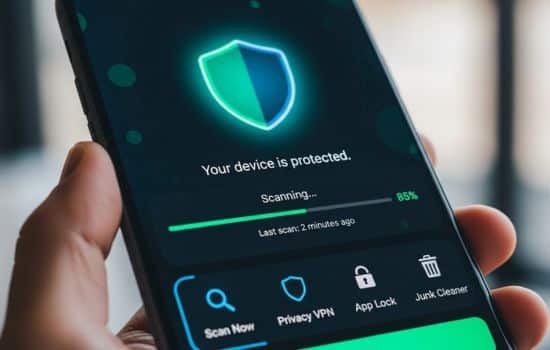
✨ Making Mobile Security a Priority
Your smartphone contains digital representations of your identity, finances, relationships, and memories. Protecting this invaluable information through comprehensive app antivirus solutions isn’t optional—it’s essential.
Quality mobile security software provides multi-layered protection against diverse threats while remaining unobtrusive during normal device use. The investment in premium protection pales compared to potential costs of identity theft, financial fraud, or privacy violations.
By choosing appropriate antivirus apps, maintaining security best practices, and staying informed about emerging threats, you create robust defenses for your digital life. Your smartphone security directly impacts your real-world safety, making informed protection decisions one of the most important aspects of modern digital citizenship.
Take action today to evaluate your current mobile security posture. Install reputable antivirus protection, review your security settings, and develop habits that complement technological safeguards. Your future self will thank you for prioritizing protection before problems occur rather than scrambling for solutions after compromise.
