

Modern navigation has evolved far beyond paper maps, with map apps becoming essential tools for daily travel, exploration, and location-based services worldwide.


Whether you’re commuting to work, planning a road trip, or exploring a new city, map applications have transformed how we navigate our surroundings. These powerful digital tools offer real-time traffic updates, alternative routes, and detailed location information at our fingertips.
The convenience and accuracy of map apps have made them indispensable companions for travelers, delivery drivers, cyclists, and anyone needing reliable directions. Let’s explore how these applications have revolutionized navigation and what features make them so valuable in our connected world.
🗺️ The Evolution of Digital Navigation
The journey from traditional paper maps to sophisticated map apps represents one of technology’s most practical innovations. Early GPS devices were bulky, expensive, and limited in functionality compared to today’s smartphone applications.
Map apps emerged as smartphones became ubiquitous, combining GPS technology with internet connectivity to deliver dynamic, constantly updated navigation experiences. This transformation democratized access to professional-grade navigation tools that were once exclusive to specialized devices.
Today’s map applications leverage satellite imagery, crowdsourced data, artificial intelligence, and machine learning to provide increasingly accurate and personalized navigation experiences. They’ve evolved from simple direction providers to comprehensive travel companions.
🚗 Essential Features That Define Modern Map Apps
Contemporary map applications offer far more than basic turn-by-turn directions. Understanding their core features helps users maximize their navigation experience and choose the right tool for specific needs.
Real-Time Traffic Intelligence
One of the most valuable features in any map app is real-time traffic monitoring. These systems analyze data from millions of users to identify congestion, accidents, and road closures as they happen.
Advanced algorithms predict traffic patterns based on historical data, time of day, and special events. This intelligence allows the app to suggest faster alternative routes before you encounter delays, potentially saving hours during your travels.
Some applications take this further by integrating user reports about hazards, police presence, speed cameras, and road conditions. This crowdsourced approach creates a comprehensive picture of driving conditions that traditional GPS systems could never achieve.
Multi-Modal Transportation Options
Modern map apps recognize that people don’t just drive. They offer integrated directions for walking, cycling, public transportation, ride-sharing services, and even electric scooters in participating cities.
Public transit integration shows bus and train schedules, platform information, and estimated arrival times. This feature proves invaluable when exploring unfamiliar cities or planning journeys without a personal vehicle.
The ability to compare different transportation methods side-by-side helps users make informed decisions based on time, cost, and convenience. This holistic approach reflects how people actually move through modern urban environments.

Offline Navigation Capabilities
Despite widespread connectivity, offline navigation remains crucial for travelers venturing into areas with poor reception or those wanting to avoid international data charges.
Many map apps allow users to download specific regions or entire countries for offline use. These downloaded maps include full navigation capabilities, business listings, and points of interest, ensuring functionality without internet access.
The technology behind offline maps has improved dramatically, with compressed data formats allowing detailed coverage without consuming excessive storage space on your device.
📍 Location Discovery and Exploration
Beyond navigation, map apps have become powerful tools for discovering restaurants, attractions, shops, and services in your vicinity or planned destinations.
Integrated review systems aggregate ratings and comments from multiple sources, helping users make informed decisions about where to eat, stay, or visit. Photos from other users provide visual previews of locations before you arrive.
Smart recommendation algorithms learn your preferences over time, suggesting new places aligned with your interests. This personalization transforms generic map searches into curated exploration experiences tailored specifically to you.
Business Information Integration
Map apps serve as comprehensive business directories, displaying hours of operation, contact information, websites, and menu details for restaurants. This consolidation eliminates the need to switch between multiple apps when researching destinations.
Many applications now allow users to make reservations, order food for pickup, or book services directly through the map interface. This seamless integration streamlines the entire journey from discovery to transaction.
For business owners, maintaining accurate information across major map platforms has become essential for visibility and customer acquisition. The map app listing often serves as a company’s primary digital presence.
🔒 Privacy Considerations in Map Apps
The functionality of map apps depends heavily on location data, raising important privacy considerations that users should understand and actively manage.
Location history features track everywhere you go, creating detailed movement patterns over time. While this enables personalized recommendations and timeline features, it also represents a comprehensive record of your activities.
Most map apps offer granular privacy controls allowing users to disable location tracking, delete history, or use incognito modes that don’t save travel data. Understanding these options empowers users to balance functionality with privacy protection.
Data Collection and Usage
Map applications collect extensive data beyond simple location coordinates. They monitor search queries, places visited, routes taken, and interaction patterns within the app itself.
This data serves multiple purposes: improving navigation algorithms, refining business recommendations, selling advertising, and enhancing overall service quality. Transparency around data collection varies significantly between different map providers.
Users concerned about privacy should review permission settings, consider alternative map apps with stronger privacy commitments, or use web-based versions that limit data collection compared to native applications.
🌍 Specialized Map Apps for Different Needs
While general-purpose map apps dominate the market, specialized applications cater to specific user groups with unique navigation requirements.
Outdoor and Trail Navigation
Hikers, cyclists, and outdoor enthusiasts benefit from map apps designed specifically for off-road navigation. These applications feature topographic maps, trail conditions, elevation profiles, and waypoint marking.
Such apps often include offline functionality as standard, recognizing that wilderness areas typically lack cellular coverage. They may also integrate weather forecasts, sunrise/sunset times, and emergency contact features for safety.
Community-contributed trail information helps adventurers discover new routes, understand difficulty levels, and prepare appropriately for outdoor activities. This crowdsourced knowledge base grows continuously as more users share their experiences.
Professional Navigation Solutions
Commercial drivers, fleet operators, and delivery professionals require navigation tools that account for vehicle dimensions, weight restrictions, hazardous material regulations, and efficient multi-stop routing.
Professional map apps optimize routes for fuel efficiency, calculate accurate arrival times accounting for loading/unloading, and integrate with fleet management systems for comprehensive logistics coordination.
These specialized solutions justify their cost through time savings, reduced fuel consumption, and improved customer service enabled by reliable delivery time estimates.
🔮 Future Trends in Map Technology
Map apps continue evolving rapidly, with emerging technologies promising to transform navigation in exciting new ways over the coming years.
Augmented reality navigation overlays directional arrows and information directly onto real-world views through your smartphone camera. This intuitive approach eliminates confusion about which direction to turn, especially in complex urban environments or large buildings.
Artificial intelligence will enable increasingly sophisticated predictive routing that anticipates your destinations based on time, day, and historical patterns. Your map app might suggest leaving early for your morning meeting based on predicted traffic conditions before you even open it.
Integration with Autonomous Vehicles
As self-driving technology advances, map apps will serve as crucial interfaces between passengers and autonomous vehicles. High-definition maps with centimeter-level accuracy form the foundation for safe autonomous navigation.
These next-generation maps incorporate far more detail than current applications, including lane-level positioning, traffic sign locations, and three-dimensional building models. Constant updates ensure autonomous systems always work with the most current information.
The convergence of ride-sharing, autonomous vehicles, and map technology may eventually transform how we conceptualize personal transportation and urban mobility entirely.
Environmental and Sustainability Features
Growing environmental awareness is driving new map app features focused on sustainable transportation. Route options now sometimes include carbon footprint estimates for different travel modes.
Electric vehicle support has become increasingly sophisticated, with specialized routing that accounts for charging station locations, current availability, charging speeds, and battery range calculations factoring in terrain and weather.
Some applications prioritize routes with better air quality or suggest times when public transportation is less crowded, supporting both personal health and broader environmental goals.
💡 Maximizing Your Map App Experience
Getting the most value from your map app requires understanding features beyond basic navigation and customizing settings for your specific needs.
Smart Customization Options
Most map apps offer extensive customization that users often overlook. Voice guidance volume, route preferences (avoiding tolls or highways), and map display options can all be adjusted to match your preferences.
Setting up home and work addresses enables one-tap navigation to frequent destinations and powers smart commute notifications that alert you to unusual delays on your regular routes.
Explore saved lists to organize places you want to visit, create custom maps for trips, or share location collections with travel companions. These organizational features transform scattered bookmarks into structured travel plans.
Battery and Data Conservation
Continuous GPS usage and screen-on time make navigation one of the most battery-intensive smartphone activities. Adjusting settings can significantly extend your device’s endurance during long trips.
Using offline maps eliminates constant data streaming, reducing both battery drain and mobile data consumption. When online navigation is necessary, consider reducing screen brightness or using battery saver modes.
Some apps offer power-saving navigation modes that simplify displays and reduce update frequency without compromising essential directional guidance. These features prove invaluable during extended journeys without charging opportunities.
🚀 Choosing the Right Map App for You
With numerous navigation options available, selecting the best map app depends on your specific usage patterns, priorities, and device ecosystem.
Consider whether real-time traffic updates, public transit integration, or offline functionality matters most for your typical journeys. Evaluate privacy policies if data collection concerns you, as approaches vary dramatically between providers.
Testing multiple applications helps identify which interface feels most intuitive and which features genuinely enhance your navigation experience. Many people maintain several map apps for different purposes rather than relying exclusively on one solution.
Platform Integration Matters
Deep integration with your smartphone’s operating system and other apps creates seamless experiences that independent applications struggle to match. Native platform map apps often offer advantages in voice assistant integration, widget functionality, and system-wide location sharing.
However, cross-platform availability becomes important if you use multiple devices or share locations with people using different operating systems. Third-party map apps generally offer better consistency across Android, iOS, and web platforms.
Consider how your map app connects with calendar appointments, messaging apps, and other tools you use regularly. This ecosystem compatibility can significantly impact daily convenience and workflow efficiency.
🌟 The Cultural Impact of Ubiquitous Navigation
The widespread adoption of map apps has fundamentally changed how we relate to physical spaces and navigate our world, with both positive and concerning implications.
Instant access to perfect directions has reduced navigation anxiety and empowered people to explore unfamiliar areas with confidence. This accessibility has democratized travel and made cities more navigable for visitors and residents alike.
However, some researchers worry about declining spatial awareness and mental mapping abilities as people outsource navigation entirely to technology. The skill of reading physical maps or developing intuitive directional sense may atrophy without regular practice.
Map apps have also influenced urban development and business patterns, with visibility in popular navigation applications becoming crucial for commercial success. This digital presence can determine which businesses thrive and which remain undiscovered.
🎯 Practical Tips for Navigation Success
Even the most sophisticated map app works best when users apply common sense and practical navigation strategies alongside digital guidance.
Always review your entire route before departing, noting major highways, turns, and estimated travel time. This overview helps you recognize when the app suggests something unusual or potentially incorrect.
Keep your map app updated to ensure access to the latest features, improved algorithms, and current map data. Updates often include significant performance improvements and expanded functionality beyond just map corrections.
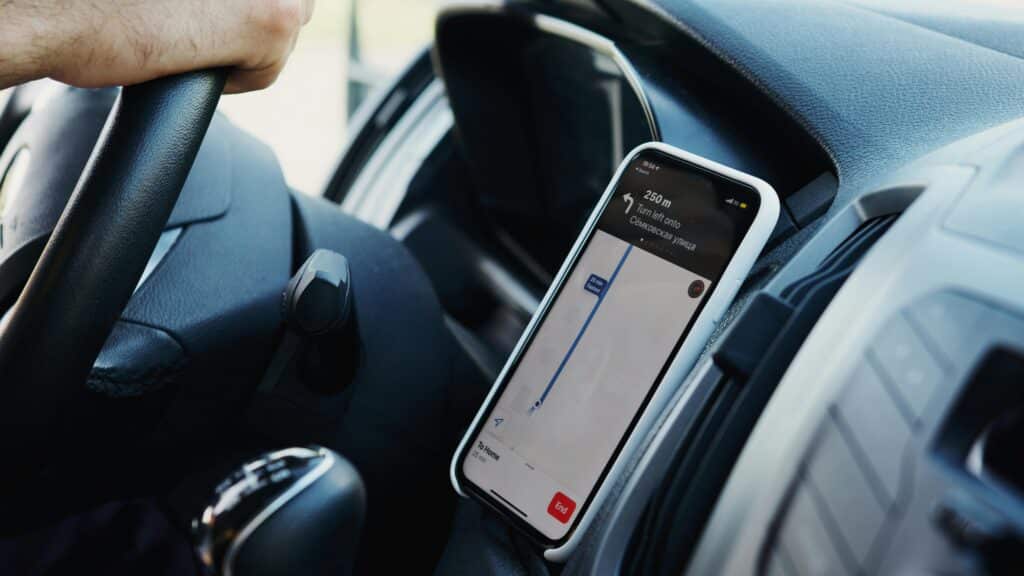
Mount your phone securely when driving and enable voice guidance to keep your eyes on the road. The safest navigation system is one that minimizes distraction while delivering clear, timely directional information.
Consider using a dedicated phone mount and car charger for regular driving navigation. This setup ensures your device remains visible, accessible, and charged throughout even the longest journeys without compromising safety.
📱 The Indispensable Modern Travel Companion
Map apps represent one of mobile technology’s most practical and universally beneficial applications, transforming navigation from a specialized skill into an accessible tool for everyone.
The continuous innovation in digital mapping technology promises even more sophisticated, intuitive, and helpful navigation experiences in the years ahead. From augmented reality guidance to predictive routing and sustainability features, the future of map apps looks remarkably promising.
Whether you’re navigating daily commutes, exploring new cities, or embarking on cross-country adventures, these powerful applications have become essential digital companions. Taking time to understand their features, customize settings, and explore capabilities beyond basic directions unlocks tremendous value from tools you likely already carry in your pocket.
The best map app is ultimately the one that matches your specific needs, respects your privacy preferences, and feels intuitive to use. Experiment with different options, stay updated on new features, and embrace these remarkable tools that have made getting lost a problem of the past.
