
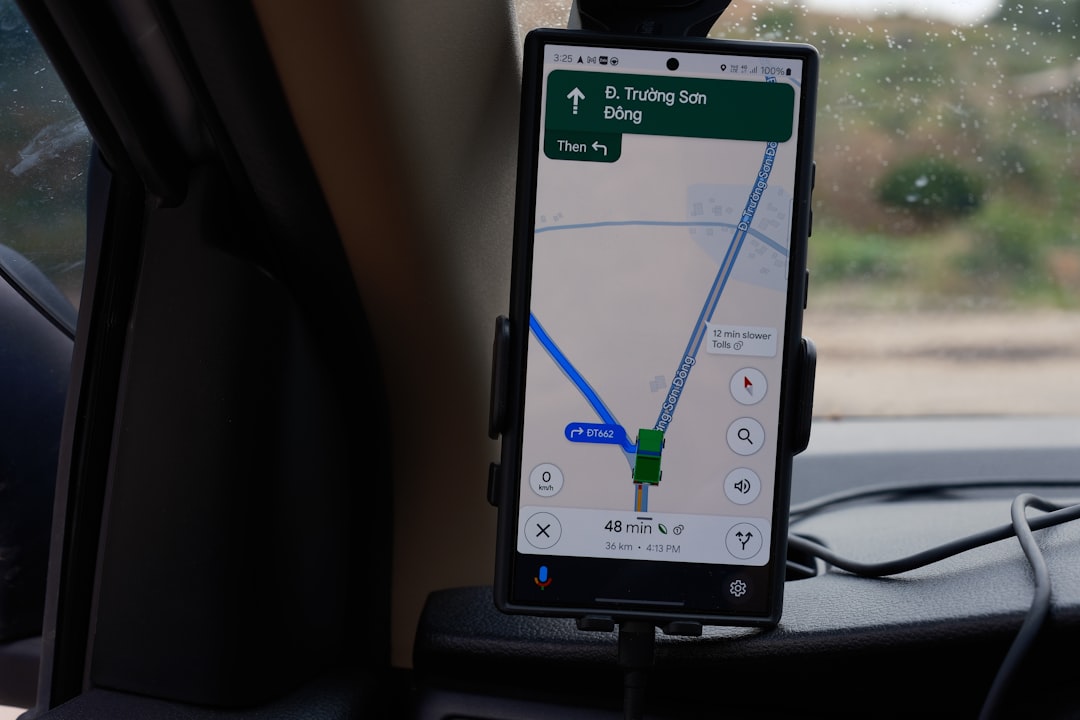
GPS apps have revolutionized how we navigate, transforming smartphones into powerful tools that guide us through unfamiliar streets, help avoid traffic, and discover new places with ease.
Gone are the days when travelers relied solely on paper maps and handwritten directions. Today’s GPS applications offer real-time updates, voice guidance, and intelligent route planning that adapts to changing conditions. Whether you’re commuting to work, exploring a new city, or embarking on a cross-country road trip, these digital navigation companions have become indispensable.
The technology behind GPS apps combines satellite signals, mobile data, and sophisticated algorithms to pinpoint your exact location and calculate optimal routes. But modern navigation apps offer far more than basic directions—they provide traffic alerts, speed camera warnings, fuel price comparisons, and even suggest points of interest along your journey. Let’s explore everything you need to know about GPS apps and how they’re shaping modern transportation. 🚗
How GPS Applications Work Behind the Scenes
Global Positioning System technology relies on a network of satellites orbiting Earth, constantly transmitting signals. Your smartphone receives these signals from multiple satellites simultaneously, calculating your precise location through a process called trilateration. This mathematical technique measures the distance from at least three satellites to determine your exact coordinates on the planet’s surface.


Modern GPS apps enhance this basic satellite positioning with additional data sources. They incorporate cellular tower triangulation, Wi-Fi network positioning, and accelerometer data to improve accuracy, especially in urban environments where tall buildings can interfere with satellite signals. This multi-layered approach ensures you receive reliable location information even in challenging conditions.
The magic truly happens when location data meets mapping databases and real-time traffic information. Navigation apps continuously communicate with servers that aggregate data from millions of users, road sensors, and traffic management systems. This collaborative network creates a living map that reflects current conditions, helping you avoid accidents, construction zones, and congestion before you encounter them.
Essential Features That Define Top Navigation Apps 📱
The best GPS applications share several core functionalities that users have come to expect. Real-time traffic updates stand as perhaps the most valuable feature, dynamically rerouting you around delays and saving countless hours over time. These systems analyze current speed patterns and predict future conditions, offering remarkably accurate arrival time estimates.
Voice-guided navigation allows drivers to keep their eyes on the road while receiving clear, timely instructions. Advanced apps use natural language processing to deliver directions that sound conversational rather than robotic, mentioning landmarks and street names in ways that feel intuitive and easy to follow.
Offline map capabilities prove essential when traveling to areas with limited cellular coverage or when roaming internationally without data access. Download maps in advance, and your GPS app continues functioning without internet connectivity, though real-time features like traffic updates won’t be available during offline use.
Community-Driven Intelligence
Some navigation platforms have revolutionized the concept by incorporating crowdsourced information. Users report accidents, police presence, road hazards, and even fuel prices, creating a collaborative ecosystem where drivers help each other navigate more safely and efficiently. This community aspect transforms passive navigation into active participation.
The social dimension extends to features like shared trip progress, allowing friends and family to monitor your journey in real-time. This functionality provides peace of mind for long trips and helps coordinate meetups without constant phone calls or text messages asking “where are you?”
Comparing Popular GPS Applications
The navigation app market offers diverse options, each with unique strengths tailored to different user needs. Waze emphasizes community engagement and real-time updates, making it ideal for daily commuters navigating busy urban environments. Its playful interface and gamification elements appeal to users who enjoy interactive experiences.
Google Maps provides comprehensive coverage with detailed information about businesses, public transit options, and street view imagery. Its integration with other Google services creates a seamless ecosystem, particularly valuable for Android users. The app excels at multi-modal journey planning, combining driving, walking, cycling, and public transportation in single trip itineraries.
Apple Maps has evolved significantly since its rocky launch, now offering clean design, privacy-focused features, and tight integration with iOS devices. The app provides excellent turn-by-turn directions with lane guidance and realistic junction views that help drivers navigate complex intersections confidently.
Specialized Navigation Solutions
Beyond mainstream options, specialized GPS apps serve specific audiences. Truckers benefit from applications that account for vehicle height, weight restrictions, and hazardous material regulations. These professional-grade tools prevent costly mistakes like routing oversized vehicles through low bridges or restricted tunnels.
Outdoor enthusiasts turn to hiking-focused GPS apps with topographic maps, trail information, and offline capabilities designed for wilderness exploration. These applications often include features like elevation profiles, waypoint marking, and emergency SOS functions that could prove life-saving in remote areas.
Privacy Considerations in Location-Based Services 🔒
Using GPS applications involves sharing your location data with service providers, raising legitimate privacy concerns. Most navigation apps collect information about where you go, how long you stay, and the routes you frequently travel. This data helps improve services but also creates detailed profiles of your movements and habits.
Understanding privacy policies becomes crucial when choosing a GPS app. Some providers prioritize user privacy, minimizing data collection and offering features like anonymous mode or automatic location history deletion. Others monetize location data through advertising partnerships, sharing aggregated movement patterns with third parties.
Taking control of your location privacy involves several practical steps. Regularly review and delete your location history, limit background location access to only when apps are in use, and disable features like personalized recommendations if you’re uncomfortable with the data analysis they require. Many smartphones now provide detailed privacy dashboards showing which apps access your location and how frequently.
Maximizing Battery Life During Navigation
GPS apps rank among the most power-hungry applications on smartphones, simultaneously using location services, screen display, mobile data, and often audio output. Extended navigation sessions can quickly drain batteries, potentially leaving you stranded without directions or emergency communication capabilities.
Screen brightness significantly impacts battery consumption. Reduce it to the minimum level you can comfortably read while driving, or use adaptive brightness settings that adjust based on ambient light conditions. Some navigation apps offer battery-saving modes that simplify graphics and reduce update frequency.
Downloading offline maps eliminates the constant data connection required for streaming map information, substantially reducing power consumption. Plan ahead by downloading regions you’ll visit while connected to Wi-Fi, then switch to airplane mode with GPS enabled during travel. This approach maximizes battery life while maintaining navigation functionality.
Smart Charging Strategies
Investing in a quality car charger ensures your device stays powered during long journeys. Look for chargers supporting fast-charging protocols compatible with your smartphone, and consider models with multiple ports for charging additional devices simultaneously.
Wireless charging mounts offer convenient solutions for newer smartphones, allowing you to dock and power your device while keeping it accessible for navigation. Position these mounts within easy view but outside your primary sight line to maintain safe driving practices.
Integration with Vehicle Systems and Smart Displays 🚙
Modern vehicles increasingly feature infotainment systems compatible with smartphone integration platforms like Android Auto and Apple CarPlay. These systems project navigation apps onto larger dashboard displays, providing easier-to-read directions and safer interaction through steering wheel controls and voice commands.
The integration extends beyond simple screen mirroring, optimizing app interfaces for automotive use with larger buttons, simplified layouts, and reduced visual complexity. Voice assistants become particularly valuable in this context, allowing completely hands-free operation for setting destinations, requesting route alternatives, or finding nearby amenities.
Even vehicles without built-in smartphone integration benefit from aftermarket solutions. Bluetooth-enabled head units, mounting systems, and audio adapters create makeshift integration that delivers many benefits of factory systems at fraction of the cost.
Future Innovations Shaping Navigation Technology
Augmented reality represents the next frontier in GPS navigation, overlaying directional arrows and information directly onto live camera views of the road ahead. Early implementations show promising results, potentially reducing the cognitive load of interpreting traditional map views and matching them to real-world surroundings.
Artificial intelligence continues transforming navigation apps through predictive routing that learns your patterns and proactively suggests destinations. These systems might remind you to leave early for appointments based on current traffic conditions or recommend alternate routes to regular destinations when accidents occur along your usual path.
Electric vehicle integration addresses range anxiety by calculating routes considering charging station locations, current battery levels, and elevation changes that impact energy consumption. These specialized features help EV drivers plan longer trips confidently, knowing they’ll find charging infrastructure when needed.
Autonomous Vehicle Coordination
As self-driving technology advances, navigation apps will evolve from tools that guide human drivers to systems coordinating autonomous vehicle fleets. These future platforms might optimize traffic flow city-wide, reducing congestion through intelligent coordination that current infrastructure cannot achieve.
The transition period where autonomous and human-driven vehicles share roads will require sophisticated navigation systems that communicate between different types of vehicles, creating safer mixed-traffic environments through shared awareness and predictive modeling.
Tips for Using GPS Apps More Effectively ✨
Familiarize yourself with your chosen app’s features before embarking on important trips. Explore settings, customize voice preferences, and practice using voice commands in safe environments. This preparation prevents fumbling with unfamiliar interfaces while driving in stressful situations.
Always maintain backup navigation options. Keep a traditional road atlas in your vehicle, note important landmarks and highway numbers before departing, and share your route with someone who can provide assistance if technology fails. GPS apps prove remarkably reliable, but redundancy provides peace of mind.
Contribute to community-based platforms by reporting conditions you encounter. This reciprocal participation improves the experience for everyone and helps create more accurate, responsive navigation systems. Even simple reports about traffic slowdowns or road hazards provide valuable data that benefits other drivers.
Regularly update your GPS app to ensure access to the latest maps, features, and security patches. Developers continuously refine algorithms, expand coverage, and fix bugs that could impact navigation accuracy or app stability. Enable automatic updates when connected to Wi-Fi to maintain optimal performance without consuming mobile data.

Selecting the Right GPS App for Your Needs
Your ideal navigation app depends on how and where you typically travel. Daily commuters benefit most from apps emphasizing real-time traffic intelligence and route optimization. Frequent travelers might prioritize offline capabilities and comprehensive points of interest databases. Privacy-conscious users should research data handling practices and choose platforms with transparent policies aligned with personal comfort levels.
Experiment with multiple options to find the best fit. Most GPS apps cost nothing to download and use basic features, making comparison shopping straightforward. Test different platforms during similar routes, noting which provides more accurate arrival estimates, clearer voice guidance, and more intuitive interfaces.
Consider ecosystem integration when choosing. If you’re deeply invested in a particular technology ecosystem—Apple, Google, or others—the native navigation app might offer seamless integration that third-party alternatives cannot match, despite potentially having fewer standalone features.
GPS applications have fundamentally changed how we navigate our world, making exploration more accessible and travel more efficient. By understanding how these tools work, protecting your privacy, and leveraging advanced features, you can transform every journey into a stress-free experience. Whether you’re navigating daily commutes or discovering new destinations, the right GPS app becomes an indispensable travel companion that guides you confidently wherever the road leads. 🗺️
