

Learning a new language opens doors to global opportunities, cultural experiences, and personal growth—and the right app can make all the difference.
In today’s interconnected world, speaking multiple languages is no longer just an impressive skill—it’s a valuable asset. Whether you’re planning to travel abroad, advance your career, connect with international communities, or simply challenge your brain, language learning apps have revolutionized how we acquire new tongues. Gone are the days when you needed expensive tutors, bulky textbooks, or rigid classroom schedules.
Modern language learning applications combine cutting-edge technology with proven educational methodologies, offering personalized lessons that fit seamlessly into your daily routine. From gamified experiences that make learning feel like play to AI-powered conversations that simulate real-world interactions, these digital tools have democratized language education like never before. Let’s explore what makes these apps so effective and how to choose the perfect one for your learning journey. 🌍
Why Mobile Apps Are Transforming Language Education
Traditional language learning methods often required significant time commitments and financial investments. Classroom courses demanded fixed schedules, textbooks grew outdated quickly, and hiring private tutors remained financially out of reach for many learners. Mobile applications have fundamentally disrupted this model by offering flexible, affordable, and highly accessible alternatives.

The power of language apps lies in their ability to meet learners exactly where they are. Whether you have five minutes during your morning commute or an hour before bed, these platforms adapt to your schedule rather than forcing you to adapt to theirs. The bite-sized lesson format respects modern attention spans while maintaining pedagogical effectiveness through spaced repetition and progressive difficulty levels.
Additionally, smartphone penetration has reached unprecedented levels globally. This technological accessibility means that quality language education is no longer limited by geography or socioeconomic status. A farmer in rural India can access the same learning resources as a student in New York City, democratizing education in ways previously unimaginable. 📱
Key Features That Make Language Apps Effective
Not all language learning applications are created equal. The most effective platforms incorporate several evidence-based features that accelerate acquisition and improve retention. Understanding these elements helps learners make informed choices about which app best suits their needs and learning style.
Spaced Repetition Systems
One of the most powerful learning tools integrated into modern apps is the spaced repetition system (SRS). This technique presents information at strategically timed intervals, just as you’re about to forget it. By reviewing vocabulary and grammar concepts at these optimal moments, your brain strengthens neural pathways, moving knowledge from short-term to long-term memory.
Apps using SRS algorithms track your individual performance with each word and phrase, customizing review schedules based on your specific retention patterns. Words you struggle with appear more frequently, while those you’ve mastered appear less often. This personalized approach maximizes learning efficiency, ensuring you spend time on material that actually challenges you rather than reviewing what you already know. ⏰
Immersive Audio and Native Speaker Content
Pronunciation and listening comprehension require exposure to authentic language usage. Quality apps feature recordings from native speakers representing various regional accents and speaking speeds. This diversity prepares learners for real-world conversations where language isn’t delivered in the slow, overly articulated manner often found in traditional textbooks.
Some advanced platforms now incorporate speech recognition technology, providing instant feedback on your pronunciation. These features analyze your accent, intonation, and rhythm, identifying specific areas for improvement. While not perfect substitutes for human interaction, these tools offer valuable practice opportunities between conversation sessions with actual speakers.
Gamification and Motivation Mechanics
Maintaining consistent practice remains one of the biggest challenges in language learning. Apps combat this through gamification elements—streaks, points, leaderboards, and achievement badges—that tap into our psychological desire for progress and recognition. While some critics dismiss these as superficial, research shows they significantly increase engagement and daily practice rates.
The key lies in balancing game-like elements with substantive learning. The best apps use gamification to encourage regular practice without sacrificing educational quality. Earning points feels rewarding, but the real satisfaction comes from successfully understanding a conversation or expressing a complex thought in your target language. 🎮
Choosing the Right App for Your Learning Style
With hundreds of language learning apps available, selecting the right one requires honest self-assessment about your goals, preferences, and learning style. Different platforms emphasize different aspects of language acquisition, from vocabulary building to conversational fluency to grammatical precision.
Goal-Oriented Selection
Begin by clarifying your primary objective. Are you preparing for travel and need survival phrases quickly? Building professional vocabulary for business contexts? Pursuing academic fluency for university studies? Or perhaps rekindling a language you studied years ago? Your specific goal should guide your app selection.
Travel-focused learners might prioritize apps emphasizing practical phrases and situational dialogues. Business professionals may seek platforms with specialized vocabulary modules for their industry. Academic learners often require more comprehensive grammar instruction and formal language registers. Understanding your purpose prevents wasting time with apps that don’t align with your actual needs. ✈️
Visual, Auditory, or Kinesthetic Learning Preferences
Consider how you learn best. Visual learners thrive with apps featuring abundant images, color-coding, and written text. Auditory learners benefit from platforms emphasizing listening exercises, podcasts, and music integration. Kinesthetic learners prefer interactive activities, writing practice, and tactile elements.
Most quality apps incorporate multiple modalities, but their emphasis varies. Experimenting with free trials or basic versions helps identify which approach resonates most naturally with your brain. The “best” app isn’t necessarily the most popular—it’s the one you’ll actually use consistently.
Maximizing Your Language Learning Success
Even the most sophisticated app cannot guarantee fluency without proper implementation. Successful learners combine digital tools with complementary strategies that reinforce and expand upon app-based lessons. Think of your chosen app as the foundation of a broader learning ecosystem rather than a complete solution.
Consistency Trumps Intensity
Neuroscience research consistently demonstrates that regular, shorter practice sessions produce better long-term results than sporadic marathon study sessions. Fifteen minutes daily outperforms a single three-hour weekend session in terms of retention and skill development. Language apps excel at facilitating this consistent practice through accessible, portable lessons.
Establishing a specific time and trigger for your daily practice dramatically increases adherence. Whether it’s during your morning coffee, lunch break, or pre-bedtime routine, anchoring language practice to an existing habit creates sustainable momentum. Missing occasional days isn’t catastrophic, but maintaining your streak most days yields compounding benefits over months and years. 📅
Supplement with Real-World Practice
Apps provide structured learning and vocabulary building, but they cannot fully replicate the unpredictability and emotional engagement of real conversations. Actively seek opportunities to use your target language with actual speakers through language exchange platforms, local conversation groups, or international online communities.
Initially, these interactions may feel intimidating and expose gaps in your knowledge. However, this discomfort signals growth. Real conversations reveal which vocabulary and structures you’ve truly internalized versus merely recognized in app exercises. They also provide cultural context and colloquial expressions rarely captured in structured lessons.
Consume Native Content Progressively
As you advance beyond beginner levels, gradually incorporate authentic materials created for native speakers rather than language learners. Start with children’s books, simple news articles, or subtitled shows in your target language. Progress to podcasts, novels, and eventually native-speed content without aids.
This exposure develops intuitive understanding of grammar patterns, expands vocabulary in context, and tunes your ear to natural rhythm and intonation. Apps provide the foundation, but native content builds the cultural and contextual fluency that distinguishes competent speakers from truly proficient ones. 🎧
Common Pitfalls to Avoid in App-Based Learning
While language apps offer tremendous advantages, several common mistakes can undermine their effectiveness. Recognizing these pitfalls helps you implement best practices from the beginning rather than developing counterproductive habits.
Passive Recognition Versus Active Recall
Many learners fall into the trap of recognizing vocabulary when they see it without being able to actively produce it in conversation. Apps often present multiple-choice questions where recognition feels like mastery. However, real communication requires recalling words without prompts and constructing original sentences.
Combat this by regularly practicing active recall. Cover answer options before attempting questions. Practice thinking in your target language throughout the day. Write journal entries or social media posts using new vocabulary. These activities force your brain to retrieve information actively rather than passively recognize it, creating stronger neural connections.
Neglecting Grammar Understanding
Some apps emphasize intuitive pattern recognition over explicit grammar instruction, hoping learners absorb rules through exposure. While this mimics natural childhood acquisition, adult learners often benefit from understanding structural principles. Without grammatical frameworks, learners may plateau at intermediate levels, able to communicate basic ideas but struggling with complexity.
Balance intuitive learning with occasional grammar study. Many apps include grammar tips and explanations—don’t skip them. Consider supplementing with grammar reference books or websites that explain the “why” behind patterns your app introduces. This understanding accelerates progression and reduces frustration with irregular constructions. 📚
App-Hopping Without Commitment
The abundance of language learning apps tempts users to constantly switch platforms searching for the “perfect” solution. While trying different apps initially makes sense, perpetual switching prevents you from progressing deeply into any single curriculum. Each platform has a learning arc, with early lessons establishing foundations for later advanced content.
Commit to one primary app for at least three months before evaluating its effectiveness. Initial awkwardness or slow progress doesn’t necessarily indicate a poor fit—it may simply reflect the natural adjustment period. Consistent use of an adequate app produces better results than perfect use of constantly changing platforms.
The Future of Language Learning Technology
Artificial intelligence and machine learning continue revolutionizing language education. Emerging technologies promise even more personalized, effective, and engaging learning experiences that adapt in real-time to individual needs and preferences.
AI conversation partners are becoming increasingly sophisticated, offering practice opportunities that simulate real dialogue with natural responses and contextual understanding. Unlike scripted dialogues, these systems respond to your actual input, creating authentic conversational flows that prepare learners for unpredictable real-world interactions.
Virtual and augmented reality applications are beginning to create immersive environments where learners practice language in simulated real-world contexts—ordering at virtual restaurants, navigating virtual cities, or participating in virtual business meetings. These technologies bridge the gap between classroom learning and practical application. 🚀
Neural interface research, though still experimental, may eventually enable direct language pattern transmission to the brain. While this remains science fiction for now, the rapid pace of technological advancement suggests that language learning will continue becoming more efficient, accessible, and effective.
Building Cultural Competence Alongside Language Skills
True fluency extends beyond vocabulary and grammar to encompass cultural understanding, social norms, and contextual appropriateness. The most sophisticated language apps now integrate cultural lessons, explaining not just what phrases mean but when and how to use them appropriately.
Understanding cultural context prevents embarrassing miscommunications and demonstrates respect for native speakers. Certain phrases appropriate among friends might be offensive in formal contexts. Gestures, personal space expectations, and conversational patterns vary dramatically across cultures. Quality apps address these subtleties, preparing learners for authentic cross-cultural interactions.
Seek apps and supplementary resources that explore the history, traditions, media, and contemporary issues of communities speaking your target language. This broader engagement deepens motivation, provides conversation topics, and creates meaningful connections between language study and real human experiences. Language isn’t merely a code to crack—it’s a living expression of culture, history, and identity. 🌏
Measuring Progress and Celebrating Milestones
Language acquisition progresses through recognizable stages, though the timeline varies significantly among learners. Understanding these phases helps maintain realistic expectations and celebrate meaningful milestones along your journey.
Early victories come quickly—your first successfully ordered coffee, understood conversation snippet, or read paragraph create powerful motivation. Intermediate stages feel slower as the exponential vocabulary requirements and grammatical complexity increase. Advanced learners often experience plateaus where progress becomes less visible despite continued effort.
Many apps include proficiency assessments and progress tracking features. However, don’t rely exclusively on these metrics. Real-world application remains the ultimate measure—successfully navigating a situation entirely in your target language, understanding a native-speed podcast episode, or expressing a nuanced opinion provides validation no app badge can match.
Document your journey through recordings, journal entries, or videos. Reviewing these artifacts after months of study reveals progress that daily incremental improvements obscure. Celebrating these milestones sustains motivation through inevitable challenging periods. 🎉
Creating Your Personalized Learning Ecosystem
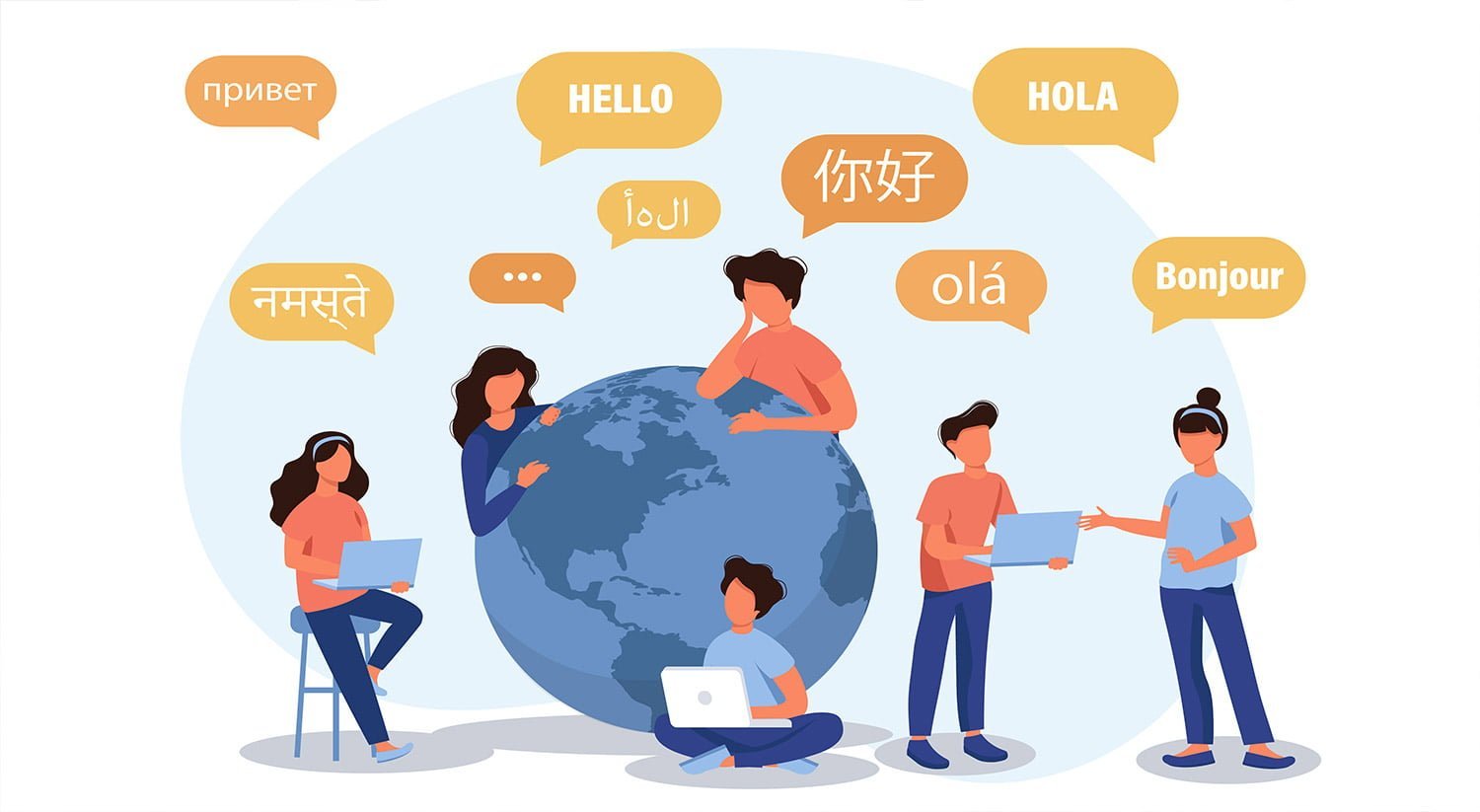
The most effective language learners construct comprehensive ecosystems where apps form just one component of a multi-faceted approach. This ecosystem might include your primary learning app, conversation exchange partners, authentic media consumption, grammar references, vocabulary flashcards, and community engagement.
Your ecosystem should evolve as your proficiency grows. Beginners require more structured guidance and foundational vocabulary. Intermediate learners benefit from increased authentic content exposure and conversational practice. Advanced students need specialized vocabulary, nuanced grammar study, and immersion experiences.
Regularly assess which elements of your ecosystem serve you well and which need adjustment. What worked at the beginner level may become redundant or limiting as you advance. Remain flexible and responsive to your changing needs while maintaining consistency with core practices.
Language learning represents one of the most rewarding intellectual challenges humans can undertake. Modern apps have removed traditional barriers of cost, access, and scheduling, making multilingualism achievable for anyone with dedication and curiosity. Whether you’re taking your first steps or advancing toward fluency, the right app combined with consistent practice and real-world application will guide you toward your goals. The world becomes a smaller, more connected place with each new language you acquire—start your journey today and discover the doors that open when you can speak to the world in its own words. 💬
