
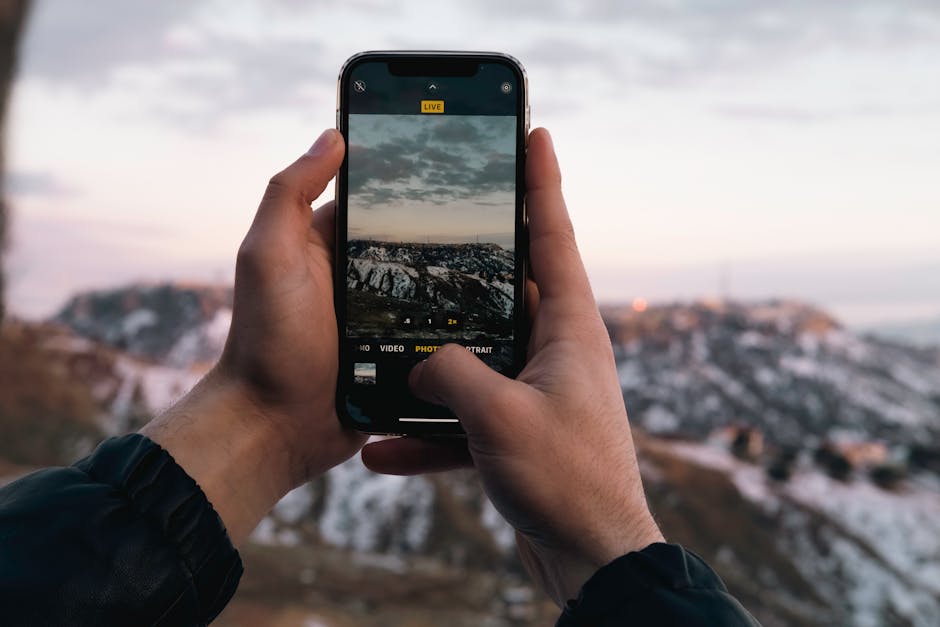
Weather apps have become essential tools in our daily lives, helping millions of people plan their activities, travel safely, and stay informed about atmospheric conditions in real-time.
Gone are the days when we relied solely on morning television broadcasts or radio updates to know if we should carry an umbrella. Modern weather applications deliver precise, location-based forecasts directly to our smartphones, offering a level of convenience and accuracy that previous generations could only dream about.
These digital meteorological assistants have evolved far beyond simple temperature readings. Today’s weather apps incorporate advanced radar imagery, severe weather alerts, air quality indexes, and even personalized recommendations based on your planned activities. Whether you’re a farmer monitoring crop conditions, a pilot checking flight safety, or simply someone deciding what to wear, weather apps have become indispensable companions in navigating our increasingly unpredictable climate. 🌤️
Why Weather Apps Matter More Than Ever
Climate patterns worldwide have become increasingly volatile and unpredictable. Extreme weather events occur with greater frequency, making accurate forecasting not just convenient but potentially life-saving. Weather applications provide critical advance warnings for hurricanes, tornadoes, flash floods, and other dangerous conditions that require immediate action.


Beyond safety concerns, weather apps contribute significantly to our daily efficiency. They help us optimize outdoor activities, plan travel routes, schedule construction projects, and make informed decisions about energy consumption. Farmers use detailed precipitation forecasts to time irrigation and planting. Event planners rely on extended forecasts to schedule outdoor gatherings. Athletes and fitness enthusiasts check conditions before training sessions.
The economic impact is substantial as well. Businesses across numerous sectors—from agriculture to transportation, tourism to retail—depend on weather intelligence to minimize losses and maximize opportunities. A restaurant might adjust staffing based on predicted weather, while a retailer could prepare inventory for seasonal demand shifts triggered by temperature changes.
Core Features That Define Quality Weather Applications
Not all weather apps are created equal. The best applications share certain fundamental characteristics that distinguish them from basic alternatives. Understanding these features helps users choose the most appropriate tool for their specific needs.
Accurate Hyperlocal Forecasting
Modern weather apps leverage GPS technology to provide forecasts specific to your exact location rather than general city-wide predictions. This hyperlocal approach accounts for microclimates, elevation differences, and proximity to bodies of water that can dramatically affect conditions within just a few miles. The difference between a forecast for downtown versus the suburbs can mean the distinction between getting caught in a downpour or staying dry.
Leading applications integrate data from multiple meteorological sources, comparing predictions from various models to provide consensus forecasts with higher accuracy rates. They continuously update predictions as new atmospheric data becomes available, sometimes refreshing information every few minutes during rapidly changing conditions.
Interactive Radar and Satellite Imagery
Visual weather data has become increasingly sophisticated and user-friendly. Interactive radar maps allow users to observe precipitation patterns, storm movements, and cloud formations in real-time. You can zoom into your neighborhood to see exactly when rain will arrive or pass, track approaching storm systems, and visualize weather patterns across entire regions.
Advanced apps offer animated radar showing the progression of weather systems over recent hours and projected movements for the next several hours. Some include lightning strike detection, hail probability indicators, and color-coded severity levels that make complex meteorological data accessible to non-experts.
Comprehensive Weather Metrics
Temperature represents just one data point among many that affect how weather actually feels and impacts our activities. Quality weather apps provide comprehensive atmospheric information including:
- Humidity levels that affect comfort and outdoor work capacity
- Wind speed and direction crucial for aviation, sailing, and outdoor events
- UV index for sun exposure planning and skin protection
- Atmospheric pressure indicators for migraine sufferers and fishing enthusiasts
- Visibility measurements important for driving and aviation safety
- Dew point calculations that determine comfort levels better than humidity alone
- Air quality indexes essential for respiratory health management
Customizable Severe Weather Alerts
Push notifications for dangerous weather conditions can literally save lives. The best apps allow users to customize alert preferences, choosing which types of warnings to receive and setting geographic boundaries for notifications. You might want tornado warnings for your home location but flood alerts for a vacation property in another state.
These alerts draw from official sources like the National Weather Service, ensuring credibility and timeliness. Some apps provide graduated alert levels, distinguishing between watches (conditions are favorable) and warnings (dangerous weather is occurring or imminent), helping users respond appropriately without unnecessary panic.
Extended Forecasts and Long-Term Planning
While immediate weather conditions matter most for daily decisions, extended forecasts serve crucial planning functions. Modern weather apps typically offer predictions ranging from 7 to 15 days ahead, with some providing monthly outlooks based on climatological patterns.
These longer-range forecasts naturally become less precise as they extend further into the future, but they still provide valuable trend information. Someone planning a wedding three weeks out won’t get perfectly accurate predictions, but can identify whether conditions are likely to be generally favorable or problematic, allowing for contingency planning.
Hourly breakdowns for the next 24-48 hours offer detailed planning capabilities for activities sensitive to specific conditions. Runners can identify the optimal workout window when temperatures are coolest. Photographers can anticipate golden hour conditions. Parents can plan outdoor activities during dry periods between rain bands.
Specialized Weather Information for Specific Interests
Beyond general forecasting, many weather apps cater to specialized interests with targeted information that general forecasts don’t adequately address.
Marine and Aviation Weather
Boaters, sailors, and water sports enthusiasts require specialized marine forecasts including wave heights, water temperatures, tide predictions, and marine warnings. Aviation weather features provide cloud ceiling heights, visibility measurements, wind patterns at various altitudes, and turbulence predictions essential for flight planning and safety.
Agricultural and Gardening Tools
Farming applications include soil moisture predictions, growing degree day calculations, frost warnings, and precipitation accumulation totals. Gardeners benefit from plant-specific recommendations based on current and forecasted conditions, helping optimize watering schedules and protect sensitive plants from temperature extremes.
Outdoor Recreation and Sports
Skiers check snow forecasts and mountain conditions. Surfers monitor swell predictions and wind patterns. Golfers need lightning tracking and wind information. Hikers require trail-specific forecasts that account for elevation changes. Specialized apps or features within comprehensive weather apps address these niche requirements with targeted data presentations.
The Technology Behind Weather Prediction
Understanding how weather apps generate their forecasts enhances appreciation for their capabilities and limitations. Modern meteorology combines observational data, powerful computational models, and human expertise to predict atmospheric behavior.
Weather stations, satellites, radar installations, weather balloons, aircraft sensors, and ocean buoys continuously collect atmospheric data from around the globe. This information feeds into sophisticated computer models that simulate atmospheric physics, calculating how current conditions will evolve based on established scientific principles.
Multiple forecasting models exist, each with different approaches and strengths. The European model (ECMWF) often excels at medium-range forecasts. The American GFS model provides global coverage with frequent updates. Regional models offer enhanced detail for specific geographic areas. Weather apps aggregate predictions from multiple models, often presenting ensemble forecasts that show the range of possible outcomes.
Artificial intelligence and machine learning increasingly enhance traditional forecasting methods. These technologies identify patterns in historical data, learn from forecast errors, and can sometimes detect subtle signals that improve prediction accuracy, particularly for localized phenomena like thunderstorm development.
Privacy Considerations and Data Usage
Weather apps require location access to provide relevant forecasts, raising legitimate privacy questions. Responsible applications clearly explain how they collect, use, and protect location data. Users should review privacy policies and permission settings, granting only necessary access.
Many apps offer options to manually enter locations rather than using continuous GPS tracking, balancing functionality with privacy preferences. Some provide weather information without requiring accounts or personal information, appealing to privacy-conscious users.
Data consumption represents another practical consideration. Radar animations, satellite imagery, and frequent updates can consume significant mobile data. Quality apps offer settings to limit data usage, download maps for offline access, or reduce update frequency when using cellular connections versus WiFi.
Accuracy Expectations and Understanding Limitations ⚡
No weather forecast achieves perfect accuracy, and understanding inherent limitations helps users interpret predictions appropriately. Short-term forecasts (1-3 days) typically achieve accuracy rates above 80% for basic conditions. Accuracy declines as forecasts extend further into the future, with 7-day predictions significantly less reliable than 2-day forecasts.
Certain weather phenomena prove more predictable than others. Large-scale systems like cold fronts can be forecast days in advance with reasonable confidence. Localized events like individual thunderstorms remain challenging to predict with precision more than a few hours ahead. The exact timing and location of these smaller-scale events involve chaotic atmospheric processes that limit predictability.
Users should treat forecasts as probability-based guidance rather than certainties. A 70% chance of rain means conditions favor precipitation, but dry weather remains possible. Extended forecasts should inform general planning rather than specific decisions. Weather apps serve us best when we understand they provide increasingly uncertain estimates as they project further into the future.
Choosing the Right Weather App for Your Needs
The ideal weather application varies based on individual requirements, location, and intended uses. Someone living in tornado-prone regions prioritizes severe weather alerting capabilities. Coastal residents need detailed marine forecasts. Urban dwellers might emphasize air quality information.
Consider these factors when selecting a weather app:
- Data source credibility and forecast accuracy in your region
- Interface design and ease of navigation
- Customization options for displayed information and alerts
- Availability of specialized features matching your interests
- Ad-free options or reasonable advertising implementation
- Offline functionality for areas with limited connectivity
- Widget options for quick access without opening the app
- Multi-location tracking for travel or monitoring distant family
Many users benefit from trying several highly-rated applications to determine which interface and feature set best matches their preferences. Most weather apps are free with optional premium subscriptions that remove advertisements and unlock advanced features.
The Future of Weather Applications and Forecasting 🌍
Weather app technology continues evolving rapidly, with several exciting developments on the horizon. Artificial intelligence improvements promise enhanced accuracy, particularly for difficult-to-predict phenomena like severe thunderstorms and flash flooding. Machine learning algorithms increasingly personalize forecasts based on individual user patterns and preferences.
Crowdsourced weather data represents an emerging trend, with apps collecting real-time condition reports from users to supplement official observations. This community-generated information can identify very localized conditions like fog patches, icy spots, or precipitation variations between nearby areas.
Augmented reality features may soon overlay weather information onto camera views, showing approaching storms or visualizing forecast data within actual environments. Integration with smart home systems could automatically adjust thermostats, close awnings, or alert homeowners to conditions requiring action.
Climate change adaptation features will likely become standard, helping users understand long-term weather pattern shifts and prepare for changing seasonal norms. Historical comparison tools might show how current conditions compare to past decades, illustrating climate trends in personally relevant ways.
Making Weather Intelligence Work for You
Maximizing the value of weather applications requires moving beyond passive forecast checking to active integration into decision-making processes. Set up location-based alerts for places you care about—home, work, children’s schools, or elderly relatives’ residences. Customize notification preferences to receive warnings for conditions that specifically impact your activities or health concerns.
Develop the habit of checking forecasts when planning any outdoor activity, even seemingly minor ones. A quick glance can save you from getting caught in unexpected rain, help you avoid temperature extremes, or identify perfect conditions for that postponed project. Review extended forecasts weekly to anticipate upcoming weather patterns that might affect scheduling decisions.
Learn to interpret radar and satellite imagery rather than relying solely on written forecasts. Understanding how to read these visual tools provides valuable context and helps you make more informed judgments about timing and severity. Recognize precipitation intensity colors, understand how storm movement appears on animated radar, and identify patterns that indicate improving or deteriorating conditions.
Share relevant weather information with family members, friends, or colleagues who might benefit from advance warnings. Weather apps make us more connected and capable of looking out for one another, whether that means warning a family member about dangerous conditions in their area or helping a colleague prepare for weather that might affect their commute.
Weather Apps as Essential Digital Companions
Weather applications represent one of the most universally useful categories of mobile software. Unlike social media apps or games that serve entertainment purposes, weather apps fulfill fundamental practical needs that affect everyone regardless of age, occupation, or lifestyle. They bridge the gap between complex meteorological science and everyday decision-making, making sophisticated forecasting technology accessible through intuitive interfaces.
The transformation from checking morning weather broadcasts to having continuous access to location-specific forecasts has fundamentally changed how we interact with our environment. We plan more confidently, respond more quickly to changing conditions, and generally experience fewer weather-related surprises and disruptions.
As climate patterns continue evolving and extreme weather events become more common, the importance of reliable weather intelligence will only increase. Having a quality weather app on your smartphone isn’t just about convenience—it’s about safety, efficiency, and making informed decisions in an increasingly dynamic atmospheric environment. Whether you’re planning your day, protecting your property, or simply deciding what to wear, weather apps provide the timely, accurate information that modern life demands. ☀️🌧️
