
Exploring the world from above has never been easier. With satellite view apps, you can discover cities, landscapes, and hidden gems without leaving your home. 🌍✨


Technology has transformed how we explore our planet. Satellite applications bring the entire world to your fingertips, offering stunning aerial views of cities, natural wonders, and even your own neighborhood.
Whether you’re planning a trip, researching geography, or simply curious about distant places, these apps provide an immersive experience that was once only available to astronauts and pilots.
The ability to view cities from space isn’t just entertaining—it’s incredibly practical. Urban planners use satellite imagery for development projects, travelers scout destinations before booking flights, and students learn geography in engaging new ways.
These applications have democratized access to information that was once restricted to government agencies and specialized researchers.
🛰️ Why Satellite View Apps Are Revolutionary
Satellite imagery applications have fundamentally changed our relationship with geography and exploration. These tools provide perspectives that were unimaginable just a few decades ago, allowing anyone with a smartphone to zoom from street level to outer space in seconds.
The technology behind these apps relies on sophisticated satellite networks that continuously photograph Earth’s surface. Combined with aerial photography from aircraft and street-level imagery, these platforms create comprehensive visual databases covering virtually every corner of the planet.
What makes modern satellite apps truly remarkable is their accessibility. High-resolution imagery that once required expensive equipment and specialized training is now available through free mobile applications. This democratization of geographic information has empowered millions of users worldwide.
🌟 Top Features to Look For in Satellite Viewing Apps
When choosing a satellite viewing application, certain features distinguish exceptional tools from basic offerings. Understanding these capabilities helps you select the best app for your specific needs.
Real-Time Updates and Historical Imagery
Premium satellite apps offer access to historical imagery, allowing you to observe how locations have changed over time. This time-travel feature reveals urban development, environmental changes, and seasonal transformations. You can witness cities expanding, forests shrinking, or coastal areas evolving across decades.
Some applications update their imagery regularly, providing near-current views of the planet. While true real-time satellite feeds remain limited due to technical constraints, many apps refresh their databases quarterly or annually, ensuring relatively recent visuals.
3D Terrain and Building Models
Advanced satellite applications incorporate three-dimensional representations of terrain and structures. Mountains rise realistically from the landscape, skyscrapers stand tall in city centers, and valleys sink appropriately below surrounding elevations.
This 3D functionality transforms flat satellite images into immersive experiences. You can tilt perspectives, rotate views, and fly through virtual cityscapes as if piloting an aircraft. The combination of satellite imagery and 3D modeling creates surprisingly realistic visualizations.
Measurement and Navigation Tools
Practical satellite apps include measurement capabilities that calculate distances, areas, and elevations. These tools prove invaluable for planning routes, estimating property sizes, or understanding geographical features.
Integration with navigation systems allows seamless transitions from satellite overview to turn-by-turn directions. This bridges the gap between exploration and practical wayfinding.

🏙️ Best Applications for Viewing Cities by Satellite
Several applications dominate the satellite viewing market, each offering unique strengths and specialized features. Understanding their differences helps you choose the right tool for your exploration goals.
Google Earth: The Industry Standard
Google Earth remains the most comprehensive and widely-used satellite viewing platform. Its extensive database covers the entire planet with varying levels of detail, offering street-level imagery in major cities and basic satellite coverage in remote areas.
The application’s Voyager feature curates guided tours of interesting locations, from natural wonders to historical sites. Time-lapse animations demonstrate environmental changes over decades, while the 3D Cities feature provides detailed models of major metropolitan areas.
Google Earth’s integration with other Google services enhances functionality. You can save favorite locations, create custom maps, and share discoveries with others. The app works seamlessly across devices, syncing your explorations between phones, tablets, and computers.
NASA Worldview: Scientific Precision
For those interested in environmental monitoring and scientific observation, NASA Worldview offers specialized satellite imagery from multiple sources. This platform focuses on atmospheric conditions, weather patterns, and environmental phenomena rather than casual exploration.
The application displays near-real-time data from NASA satellites, including thermal imaging, vegetation indices, and atmospheric composition. It’s particularly valuable for tracking wildfires, storms, pollution, and seasonal changes.
While NASA Worldview lacks the street-level detail of consumer-focused apps, it provides scientific insights unavailable elsewhere. Researchers, educators, and environmentally-conscious users appreciate its specialized data layers.
Zoom Earth: Weather and Real-Time Events
Zoom Earth specializes in recent satellite imagery with emphasis on weather systems and natural events. The platform updates imagery frequently, sometimes offering views from just hours ago.
This application excels at tracking storms, monitoring cloud cover, and observing weather patterns. Hurricane watchers, storm chasers, and meteorology enthusiasts find it particularly useful during active weather seasons.
The interface prioritizes simplicity and speed, loading quickly even on slower connections. While it doesn’t match Google Earth’s comprehensive features, its focus on current conditions fills a specific niche.
🗺️ Practical Uses for Satellite City Viewing
Beyond entertainment and curiosity, satellite viewing applications serve numerous practical purposes across various fields and activities.
Travel Planning and Destination Research
Before booking accommodations, savvy travelers use satellite apps to explore neighborhoods, assess proximity to attractions, and understand local geography. You can virtually walk streets, examine beach conditions, or evaluate hiking trail access.
This reconnaissance helps avoid unpleasant surprises. That “beachfront” hotel might actually sit a mile from the water, or that “mountain view” room might face a parking lot. Satellite imagery reveals the truth before you commit financially.
Real Estate and Property Evaluation
Property buyers and real estate professionals rely on satellite imagery to assess locations remotely. You can examine property boundaries, evaluate neighborhood density, identify nearby amenities, and spot potential issues like flood-prone areas or industrial neighbors.
Historical imagery shows property evolution over time, revealing whether that empty lot next door is slated for development or has remained vacant for decades. This intelligence informs purchasing decisions and negotiation strategies.
Education and Geographic Learning
Teachers incorporate satellite applications into geography, environmental science, and history lessons. Students engage more deeply when exploring actual satellite images rather than studying static textbook maps.
The ability to compare historical imagery demonstrates concepts like deforestation, urban sprawl, and climate change with concrete visual evidence. This tangible approach to complex topics enhances understanding and retention.
Urban Planning and Development
City planners, architects, and developers use satellite imagery for site analysis, infrastructure planning, and environmental impact assessment. These tools provide comprehensive overviews that ground-level surveys cannot match.
Emergency services utilize satellite applications for disaster response planning, identifying access routes, and assessing damage after natural disasters. This rapid visual intelligence saves lives during critical situations.
📱 How to Maximize Your Satellite Viewing Experience
Getting the most from satellite applications requires understanding their capabilities and employing effective exploration strategies.
Master Navigation Gestures and Controls
Each application employs specific gestures for zooming, rotating, and tilting views. Spend time learning these controls—smooth navigation dramatically improves the experience. Most apps support pinch-to-zoom, two-finger rotation, and drag-to-tilt functions.
Keyboard shortcuts accelerate navigation on computer versions. Learning these commands transforms clunky clicking into fluid exploration.
Explore Different Imagery Layers
Don’t limit yourself to standard satellite view. Most applications offer multiple imagery layers including terrain maps, street maps, weather overlays, and historical photos. Switching between layers reveals different aspects of locations.
Terrain view highlights elevation changes that satellite imagery flattens. Historical imagery tracks development over time. Combining layers provides comprehensive understanding of places.
Use Search Features Effectively
Beyond searching addresses, try searching for landmarks, geographic features, or coordinates. Most apps recognize natural language queries like “tallest building in Dubai” or “Great Barrier Reef.”
GPS coordinates enable precise navigation to specific points. This proves essential when exploring remote areas without formal addresses.
Create and Save Custom Collections
Mark interesting discoveries by saving locations to custom collections. Organize these by themes—vacation destinations, architectural marvels, natural wonders—for easy future reference.
Sharing collections with friends enhances collaborative trip planning or educational projects. Many apps support public collections that others can explore and follow.
🌐 Privacy Considerations When Using Satellite Apps
While satellite imagery is publicly available, users should understand privacy implications associated with these technologies.
Satellite photos typically lack sufficient resolution to identify individuals, and images are often months or years old. However, newer street-level imagery captured by vehicles or contributed by users might show people, vehicles, or private activities.
Most platforms allow property owners to request blurring of their homes or report inappropriate imagery. If you discover concerning content, reporting mechanisms exist within applications.
When sharing satellite images publicly, consider whether you’re inadvertently revealing sensitive locations or information about others. Discretion protects both your privacy and that of people around you.
🚀 The Future of Satellite Viewing Technology
Satellite imaging technology continues advancing rapidly, promising even more impressive capabilities in coming years.
Higher Resolution and More Frequent Updates
New satellite constellations launched by both government agencies and private companies will increase image resolution and update frequency. Some commercial services already offer sub-meter resolution, revealing details previously invisible.
More satellites mean shorter intervals between updates. Eventually, near-real-time global coverage may become standard rather than exceptional.
Artificial Intelligence Enhancement
AI algorithms increasingly enhance satellite imagery, removing cloud cover, improving clarity, and even predicting changes based on historical patterns. Machine learning identifies specific features—buildings, roads, vegetation—automatically creating detailed maps from raw imagery.
These technologies will enable smarter search functions. Instead of searching by name or coordinates, you might search by visual characteristics: “find beaches with white sand and minimal development” or “locate Mediterranean-style architecture in Southern California.”
Augmented Reality Integration
Future applications may blend satellite imagery with augmented reality, overlaying information onto live camera views. Point your phone at a building and see its satellite view, historical images, or interior layout.
This fusion of perspectives will create seamless transitions between ground-level experience and orbital overview, enriching our understanding of spaces we inhabit and visit.
💡 Creative Ways to Use Satellite City Apps
Beyond conventional applications, creative users have discovered imaginative ways to leverage satellite technology.
Virtual Tourism and Armchair Exploration
Can’t travel physically? Embark on virtual journeys visiting dream destinations through satellite imagery. Follow the Amazon River from source to sea, trace the Great Wall of China, or island-hop through the Caribbean—all from your couch.
Create personal virtual tours combining satellite views, street-level imagery, and research about locations. Share these tours with friends or family members who can’t travel.
Artistic Inspiration and Abstract Photography
Satellite imagery reveals unexpected abstract patterns—agricultural fields form geometric designs, rivers create organic curves, cities display fractal-like structures. Artists and photographers capture these images for creative projects.
Salt flats, desert formations, and urban layouts photographed from space resemble abstract paintings. Social media accounts dedicated to beautiful satellite imagery attract thousands of followers.
Historical Research and Change Detection
History enthusiasts use time-series satellite imagery to document changes in historical sites, battlefields, or archaeological locations. This visual documentation preserves perspectives that ground-level photography misses.
Comparing decades of imagery reveals how cities evolved, natural disasters impacted landscapes, or construction projects transformed areas. This chronological evidence supports research and preservation efforts.
🎯 Getting Started with Your First Satellite Exploration
Ready to begin exploring cities from space? Follow this simple roadmap to maximize your initial experience.
Start by downloading a reputable satellite viewing app—Google Earth remains the most accessible option for beginners. Install it on your smartphone, tablet, or computer depending on your preference.
Begin with familiar locations. Search for your home address, workplace, or favorite local spots. Recognizing known places helps you understand scale, image quality, and navigation controls.
Gradually expand your exploration radius. Visit nearby cities, then jump to famous landmarks worldwide. Experiment with zoom levels, discovering how detail increases as you move closer.
Try the 3D view feature in urban areas where it’s available. Tilt your perspective and rotate around buildings to appreciate the three-dimensional modeling.
Explore historical imagery if available for your location. Notice how areas changed over time—new construction, demolished buildings, landscape modifications.
Challenge yourself to find interesting features: unusual building shapes, natural patterns, or unexpected contrasts. This scavenger hunt approach keeps exploration engaging.
Save favorite locations to revisit later. Build collections organized by themes or interests. Share discoveries with friends who might appreciate unique perspectives.
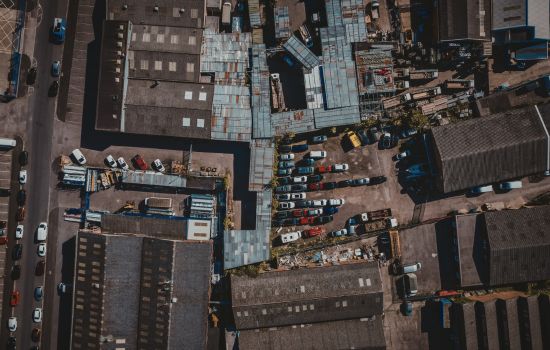
🌍 Transforming How We See Our World
Satellite viewing applications represent more than technological novelties—they fundamentally reshape our relationship with geography and place. These tools collapse distance, democratize information, and inspire curiosity about our remarkable planet.
Whether you’re planning adventures, satisfying curiosity, supporting professional work, or simply enjoying beautiful imagery, satellite apps offer endless possibilities. They remind us that Earth remains full of wonders waiting to be discovered, even in an age when maps label every corner.
The view from above provides perspective unavailable at ground level. Cities reveal their organizational logic, natural features display their grand scale, and human impact on the landscape becomes undeniable. This elevated viewpoint encourages both appreciation and responsibility toward our shared home.
Start exploring today and discover how satellite technology brings the entire world within your reach. Each zoom reveals new details, every pan discovers unexpected treasures, and every exploration deepens your connection to this extraordinary planet we inhabit together. 🌏✨
