
Staying ahead of storms and sudden weather changes has never been easier, thanks to modern rain and storm detection apps that put powerful meteorological tools right in your pocket.

Weather can be unpredictable, and severe storms often develop with little warning. Whether you’re planning outdoor activities, commuting to work, or managing agricultural operations, having real-time information about approaching rain and storms can make all the difference. These specialized applications leverage advanced radar technology, satellite imagery, and sophisticated algorithms to provide accurate forecasts and timely warnings.
The evolution of weather tracking technology has transformed how we prepare for and respond to atmospheric conditions. Gone are the days when we relied solely on evening news forecasts or looking up at the sky. Today’s apps deliver hyperlocal predictions, minute-by-minute precipitation forecasts, and lightning strike alerts directly to your smartphone, empowering you to make informed decisions quickly.
🌩️ Why You Need a Storm Detection App
Modern life demands precision and planning. A dedicated rain and storm detection app serves as your personal meteorologist, offering several compelling advantages over traditional weather services. These applications provide granular, location-specific data that general weather forecasts simply cannot match.
Safety is the primary concern when severe weather threatens. Storm detection apps can alert you to dangerous conditions like lightning, hail, tornadoes, and flash flooding before they reach your location. This advance warning gives you precious time to seek shelter, secure outdoor items, or alter travel plans.
Beyond safety, these apps help with everyday convenience. They answer practical questions: Should I bring an umbrella? Can I walk the dog in the next hour? Will the outdoor wedding reception need to move indoors? Is it safe to let the kids play outside? Having accurate answers reduces stress and improves daily planning.
Real-Time Radar Technology
The heart of any quality storm detection app is its radar capability. Advanced weather radar systems scan the atmosphere, detecting precipitation and storm intensity with remarkable precision. The best apps update their radar imagery every few minutes, showing you exactly where rain is falling and how storms are moving.
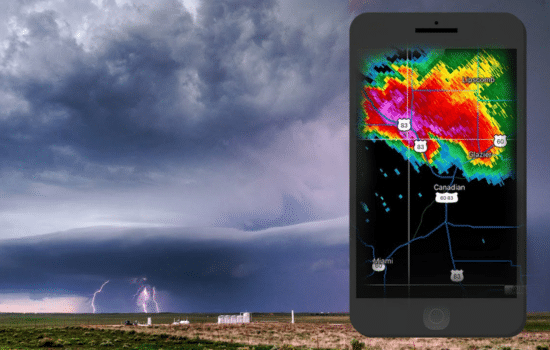
Interactive radar maps allow you to zoom in on your specific neighborhood or zoom out to see regional weather patterns. Color-coded displays indicate precipitation intensity, from light drizzle in green to severe thunderstorms in red and purple. Animation features let you watch storm systems develop and track their projected path.
⚡ Key Features of Top Weather Apps
Not all weather apps are created equal. The most effective rain and storm detection applications incorporate several essential features that distinguish them from basic weather services.
Minute-by-minute precipitation forecasts represent one of the most valuable innovations. These hyperlocal predictions tell you exactly when rain will start and stop at your precise location, often accurate down to five-minute intervals. This feature proves invaluable for timing outdoor activities, commutes, or athletic events.
Lightning detection and tracking capabilities add another critical safety layer. Lightning strikes can occur up to ten miles away from rainfall, creating dangerous situations for outdoor enthusiasts, golfers, construction workers, and event organizers. Real-time lightning maps show recent strikes and alert you when electrical activity approaches your area.
Severe Weather Alerts
Push notifications for severe weather warnings ensure you never miss critical information. The best apps allow customizable alerts based on your preferences and location. You can choose to receive notifications for tornado warnings, severe thunderstorm alerts, flash flood watches, or any combination of conditions relevant to your area.
These alerts often arrive faster than traditional media broadcasts, giving you extra minutes to prepare. Many apps also provide detailed information about the specific threat, affected areas, and recommended safety actions.

Multi-Layered Weather Data
Professional-grade weather apps offer multiple data layers beyond basic precipitation. Wind speed and direction, temperature, humidity, air pressure, cloud coverage, and visibility all contribute to comprehensive weather understanding. Being able to toggle between these layers helps you grasp the complete atmospheric picture.
Satellite imagery provides another perspective, showing cloud formations and storm systems from space. This view is particularly useful for tracking large weather systems, identifying storm organization, and observing atmospheric patterns that radar alone might miss.
🌧️ How Storm Detection Apps Work
Understanding the technology behind these applications helps you appreciate their capabilities and limitations. Storm detection apps aggregate data from multiple authoritative sources to create their forecasts and alerts.
National weather services provide the foundation, with government agencies operating extensive networks of weather stations, radar installations, and satellites. In the United States, the National Weather Service maintains NEXRAD radar stations that scan the atmosphere continuously. Similar systems exist worldwide, and weather apps tap into these data streams.
Private weather companies add value by processing this raw data through proprietary algorithms. They apply machine learning models trained on historical weather patterns, creating more refined local forecasts. Some companies also operate their own sensor networks, particularly for lightning detection, adding supplementary data to government sources.
Crowdsourced Weather Reports
Many modern apps incorporate crowdsourced weather observations from users. When thousands of people report current conditions at their locations, the aggregate data helps refine forecast accuracy. This participatory approach creates a dense network of observation points, especially valuable in areas between official weather stations.
However, crowdsourced data requires validation and filtering. Reputable apps use algorithms to identify and discard outlier reports, ensuring reliability. The combination of professional meteorological data and verified user observations produces more accurate hyperlocal forecasts.
📱 Choosing the Right App for Your Needs
The ideal storm detection app depends on your specific requirements, technical comfort level, and geographic location. Different applications emphasize different features, so identifying your priorities helps narrow the options.
Casual users who simply want reliable rain forecasts and basic alerts will find streamlined apps with clean interfaces most appealing. These applications focus on essential information without overwhelming users with technical meteorological data. They typically offer free versions with minimal advertisements or optional premium subscriptions.
Weather enthusiasts and professionals need apps with advanced features and comprehensive data layers. Pilots, sailors, storm chasers, photographers, and outdoor guides require detailed information about wind patterns, pressure systems, visibility, and storm structure. Premium applications cater to these specialized needs with professional-grade tools.
Accuracy and Reliability
Forecast accuracy varies between apps and improves with shorter time horizons. No application can predict weather perfectly, especially beyond a few days. The best apps transparently communicate forecast confidence levels and update predictions frequently as new data arrives.
Reading user reviews helps gauge real-world performance in your specific region. An app that excels in one geographic area might underperform in another due to data source differences, radar coverage gaps, or regional weather pattern complexity.
🌪️ Understanding Weather Patterns
Storm detection apps become more valuable when you understand basic meteorology. Recognizing weather patterns on radar displays helps you interpret the information more effectively and make better decisions.
Thunderstorm cells appear as concentrated areas of intense precipitation on radar. Isolated cells typically move predictably and dissipate relatively quickly. However, organized lines of storms or supercell formations indicate more severe and persistent weather systems that may produce damaging winds, large hail, or tornadoes.
Hook echoes on radar suggest rotating thunderstorms with tornado potential. Apps often highlight these dangerous formations with special markers or warnings. Understanding these signatures helps you recognize truly threatening situations that require immediate protective action.
Seasonal Considerations
Weather patterns vary dramatically by season and location. Spring often brings severe thunderstorm season to many regions, with enhanced tornado risk. Summer features intense but localized thunderstorms driven by daytime heating. Fall transitions bring weather fronts and wind. Winter storms involve different precipitation types and tracking challenges.
Quality weather apps account for these seasonal variations in their forecasting models. They also provide specialized information relevant to each season, such as snow accumulation predictions in winter or heat index calculations in summer.
🎯 Practical Applications for Different Users
Storm detection apps serve diverse user groups, each with unique needs and use cases. Understanding how different people benefit from these tools illustrates their versatility and value.
Outdoor recreation enthusiasts rely heavily on weather apps for safety and planning. Hikers, campers, boaters, and cyclists need to know when conditions will deteriorate. Lightning alerts are particularly critical for activities in exposed areas. Hunters and anglers use weather apps to identify optimal conditions for their pursuits.
Parents and caregivers use storm apps to make informed decisions about children’s activities. Should the soccer game continue? Is it safe to walk to school? Can the kids play at the park? Quick answers to these questions provide peace of mind and protect young people from unnecessary weather hazards.
Professional and Commercial Uses
Construction managers, landscapers, and outdoor event planners depend on accurate weather forecasts for scheduling and resource allocation. Knowing when rain will arrive helps them mobilize crews efficiently, protect materials, and communicate realistically with clients.
Agricultural operations increasingly integrate weather apps into their decision-making processes. Farmers use precipitation forecasts to time planting, irrigation, fertilizer application, and harvest activities. Storm warnings help them protect livestock, secure equipment, and prevent crop damage.
Transportation and logistics companies monitor weather apps to route vehicles safely and anticipate delays. Delivery services, trucking companies, and public transit agencies all benefit from real-time storm information that helps them adjust operations proactively.
🔔 Maximizing Alert Effectiveness
Weather alerts are only valuable if they reach you when needed and prompt appropriate action. Configuring your app’s notification settings optimally ensures you receive critical information without alert fatigue from excessive notifications.
Start by setting your precise location and enabling location services. Many apps can track your movements and provide relevant alerts as you travel. This feature proves especially useful during road trips or when working at multiple sites.
Customize alert thresholds based on your tolerance and needs. If you work outdoors, you might want notifications for any approaching rain. If you’re primarily concerned about severe weather, limit alerts to warnings and watches only. Most apps allow granular control over notification types, intensity thresholds, and timing.
Response Planning
Having an app is only the first step; developing response plans for different weather scenarios completes your preparedness. When a tornado warning arrives, do you know where to shelter? When flash flooding threatens, do you know which routes to avoid? When lightning approaches, have you identified safe locations?
Use the information these apps provide to create and practice emergency procedures. Families should establish communication plans. Businesses should develop continuity protocols. Regular drills ensure everyone knows what to do when severe weather strikes.
🌐 The Future of Weather Technology
Storm detection technology continues evolving rapidly, with several exciting developments on the horizon. Artificial intelligence and machine learning increasingly refine forecast accuracy, particularly for hyperlocal predictions and severe weather identification.
Small satellite constellations promise more frequent imagery updates and better global coverage. Traditional weather satellites orbit far from Earth and update images every few minutes to hours. New low-Earth-orbit satellite networks will eventually provide near-continuous monitoring with unprecedented detail.
Integration with smart home systems and Internet of Things devices will automate weather responses. Imagine your home automatically closing awnings, securing patio furniture, and alerting household members when storms approach, all triggered by your weather app.
💡 Making the Most of Your Weather App
Simply downloading a storm detection app isn’t enough—actively engaging with its features maximizes the value you receive. Spend time exploring all available tools and data layers. Most apps include tutorials or help sections that explain their capabilities thoroughly.
Check the app regularly, not just when storms threaten. Developing familiarity with normal weather patterns in your area helps you recognize unusual conditions that might signal dangerous weather. Regular use also keeps you comfortable with the interface, ensuring you can navigate quickly during emergencies.
Compare forecasts from multiple apps occasionally to understand their relative strengths. While using one primary app makes sense, cross-referencing with another source during critical weather situations provides additional confidence in your decisions.
Share weather information responsibly within your community. When you receive warnings about approaching storms, alerting neighbors, colleagues, or family members who might not have seen the notification can potentially save lives and property.
🌟 Staying Weather-Aware Year-Round
Weather awareness is not just for storm season—it’s a year-round practice that enhances safety and quality of life. Rain and storm detection apps serve as constant companions, helping you navigate the ever-changing atmosphere with confidence and preparation.
These powerful tools democratize access to professional-grade meteorological information that was once available only to specialists. By putting sophisticated radar, satellite imagery, and AI-powered forecasts in everyone’s pocket, they empower individuals to make informed decisions that protect themselves, their families, and their property.
Whether you’re planning a weekend barbecue, managing a construction project, or simply deciding whether to carry an umbrella, having reliable weather intelligence at your fingertips transforms uncertainty into actionable knowledge. The investment of time to find, configure, and learn your chosen app pays dividends every time it helps you avoid getting soaked, alerts you to dangerous lightning, or gives you the confidence to proceed with outdoor plans under clear skies.
As weather patterns become increasingly variable and extreme weather events grow more common, the value of these applications will only increase. Embracing this technology today means you’re prepared for whatever atmospheric conditions tomorrow may bring. Stay informed, stay safe, and let modern weather technology be your guide through every forecast. ⛈️
