

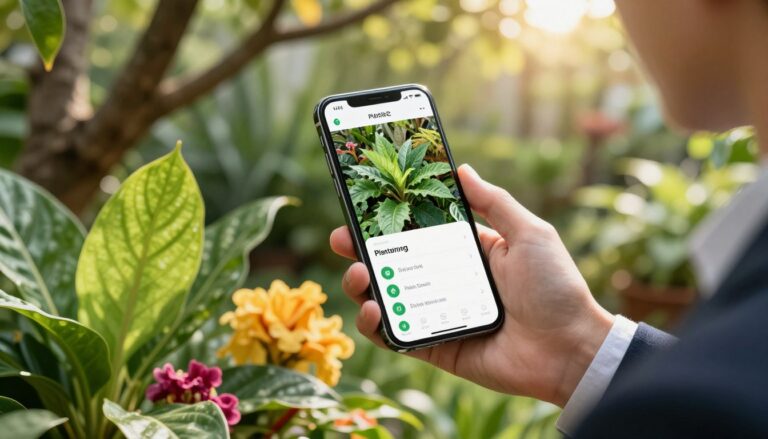
Ever wondered what that beautiful flower in your neighbor’s garden is called? Or if that leafy green in the forest is safe to touch? Plant identification apps can help you discover the botanical world around you.
The digital age has brought incredible tools to our fingertips, and plant identification apps are among the most fascinating. These applications combine artificial intelligence, extensive botanical databases, and user contributions to turn your smartphone into a portable botanist. Whether you’re a gardening enthusiast, a nature lover, or simply curious about the green life surrounding you, these apps open up a whole new dimension of understanding and appreciation for flora.
From identifying poisonous plants on hiking trails to discovering the perfect species for your garden, plant identification apps serve practical purposes while nurturing our connection with nature. They’ve democratized botanical knowledge, making it accessible to anyone with a smartphone and a curious mind. Let’s explore how these remarkable tools work and which ones deserve a spot on your device.
🌿 How Plant Identification Apps Actually Work
Plant identification apps rely on sophisticated image recognition technology powered by machine learning algorithms. When you snap a photo of a plant, the app analyzes various visual characteristics including leaf shape, flower structure, color patterns, bark texture, and overall growth habits. This data is then compared against massive databases containing millions of plant images.


The most advanced apps use convolutional neural networks (CNNs), a type of artificial intelligence specifically designed for image processing. These networks have been trained on enormous datasets of verified plant photographs, learning to recognize subtle differences between similar species. The more images users submit and experts verify, the more accurate these systems become.
Many popular apps also incorporate crowdsourcing elements. When the AI provides possible matches, botanists and experienced users within the community can review identifications and offer corrections. This collaborative approach combines technological efficiency with human expertise, creating a powerful identification tool that improves continuously.
📱 Top Plant Identification Apps Worth Downloading
The market offers numerous plant identification apps, each with unique strengths. PlantNet stands out as one of the most respected options, developed by scientists and botanical institutions. It focuses on wild plants and maintains a strong commitment to accuracy, making it ideal for nature explorers and hikers.
PictureThis has gained massive popularity due to its user-friendly interface and comprehensive database covering both wild and cultivated plants. The app provides detailed care instructions for houseplants and garden species, making it perfect for gardeners. It offers a free version with basic features and a premium subscription for advanced capabilities.
iNaturalist takes a community-science approach, connecting users with naturalists worldwide. Beyond plant identification, it encompasses all living organisms, creating a broader ecological learning experience. Your observations contribute to real scientific research, adding purpose beyond personal curiosity.
Seek by iNaturalist offers a more gamified experience perfect for families and young nature enthusiasts. It encourages outdoor exploration through challenges and badges while maintaining accurate identification capabilities. The app works even without cell service, making it ideal for remote adventures.
🎯 Features That Make These Apps Invaluable
Modern plant identification apps go far beyond simple naming. Most provide comprehensive information about each species, including native habitat, growing conditions, potential toxicity, medicinal properties, and ecological significance. This depth transforms a simple identification into a complete educational experience.
Many apps include care guides specifically tailored to identified plants. If you scan a houseplant, you’ll receive watering schedules, light requirements, ideal temperatures, and common pest solutions. Gardeners particularly appreciate these features when selecting plants for specific conditions or troubleshooting existing specimens.
Seasonal identification capabilities help distinguish plants throughout their growth cycles. An app might identify a tree from its spring flowers, summer leaves, autumn colors, or winter bark. This versatility proves essential since plants look dramatically different across seasons.
Offline functionality represents a crucial feature for serious naturalists. Some apps allow you to download regional plant databases, enabling identification in areas without internet connectivity. This feature transforms your phone into a true field guide for remote hiking, camping, or international travel.
🌍 Contributing to Scientific Research Through Your Observations
One of the most remarkable aspects of modern plant identification apps is their contribution to citizen science. When you identify and log a plant, particularly through apps like iNaturalist or PlantNet, your observation becomes part of a global biodiversity database. Scientists use this data to track species distributions, monitor invasive plants, and understand how climate change affects vegetation patterns.
Your casual photo of a wildflower during a weekend hike might help researchers document the northern expansion of a species due to warming temperatures. A snapshot of an unusual plant in your neighborhood could alert authorities to an invasive species before it becomes established. These apps transform everyday nature enthusiasts into valuable contributors to ecological understanding.
The data quality improves when users provide detailed location information and clear photographs. Many apps encourage photographing different parts of the plant—leaves, flowers, bark, and overall growth habit—which increases identification accuracy while providing more comprehensive scientific data. Some platforms even allow you to track the same plant over time, documenting phenological changes that help scientists understand seasonal patterns.
💡 Tips for Getting Accurate Plant Identifications
Photograph quality dramatically affects identification accuracy. Take clear, well-lit photos from multiple angles, ensuring the subject is in focus. Natural lighting works best, as flash can distort colors and create confusing shadows. Close-up shots of distinctive features like flowers, leaf arrangements, or bark texture provide the most useful information.
Include context in your photos when possible. A shot showing the plant’s overall shape and growth habit helps distinguish between similar species. For trees, photograph both the canopy structure and bark texture. For flowers, capture both the bloom and the leaves, as foliage often provides critical identification clues.
Consider the season when interpreting results. A tree identification in winter relies primarily on bark and branch patterns, which may be less distinctive than summer foliage. Some apps allow you to specify the season, improving their suggestions. If you receive multiple possible matches, research each one to understand which characteristics differentiate them.
Don’t trust the first result blindly. Even the best apps occasionally make mistakes, particularly with uncommon species or poor-quality photos. Review the suggested matches, read their descriptions, and compare key features. When safety matters—determining if a plant is poisonous, for example—consult multiple sources or experts before drawing conclusions.
🏡 Practical Applications for Home Gardeners
Garden centers often label plants generically or incorrectly, leaving you guessing about the specific species you purchased. Plant identification apps solve this problem, revealing the exact variety so you can research its particular care requirements. This knowledge prevents watering mistakes, improper pruning, and unsuitable placement that might doom your new acquisition.
These apps excel at identifying volunteer plants—those mysterious seedlings that appear uninvited in your garden beds. Before yanking them out, snap a photo to discover if you’ve got valuable natives, aggressive weeds, or potentially interesting additions worth relocating. This simple check has saved countless desirable plants from premature composting.
When planning garden designs, walking through nurseries with an identification app lets you research plants on the spot. You can immediately discover mature sizes, growth rates, companion plants, and potential problems before making purchasing decisions. This approach reduces costly mistakes and creates more successful landscape designs.
Troubleshooting plant problems becomes easier when you know exactly what you’re growing. Accurate species identification allows you to search for specific pest vulnerabilities, disease susceptibilities, and nutritional requirements. Many apps connect identified plants to specialized care databases, providing targeted solutions rather than generic advice.
🥾 Enhancing Outdoor Adventures and Nature Education
Hiking and nature walks gain new dimensions when you can identify surrounding flora. Instead of walking past anonymous greenery, you discover edible berries, medicinal herbs, important wildlife food sources, and rare native species. This knowledge deepens your connection to ecosystems and enhances environmental awareness.
Parents and educators find these apps invaluable for teaching children about nature. The interactive process of photographing plants, receiving instant identification, and learning interesting facts engages young minds far more effectively than traditional field guides. The gamification elements in apps like Seek encourage outdoor exploration while building botanical literacy.
Foragers use plant identification apps as preliminary screening tools, though they always confirm edible species through multiple reliable sources before consumption. The apps help distinguish between similar-looking plants where one might be delicious and another toxic. Safety demands absolute certainty, but these tools provide an excellent starting point for foraging education.
Photography enthusiasts discover that plant identification enriches their nature photography. Knowing the proper names allows accurate captioning and helps you return to photograph specific species during optimal seasons. Many botanical photographers use these apps to track rare or particularly photogenic species throughout their range.
🔬 Understanding App Limitations and When to Seek Expert Help
Despite impressive capabilities, plant identification apps have limitations. They perform best with common species in well-photographed regions. Rare plants, regional varieties, and species from under-documented areas may stump even sophisticated algorithms. Apps also struggle with heavily damaged plants, unusual growth forms, or specimens photographed in poor conditions.
Young plants pose identification challenges since juvenile foliage often differs significantly from mature characteristics. Seedlings and immature specimens may require professional identification, particularly for critical determinations like poisonous versus safe species. The apps improve as plants develop distinctive adult features.
Cultivated varieties and hybrids create confusion since they may not appear in wild plant databases. Garden plants with unusual colors, variegated foliage, or modified growth habits often originate from selective breeding that created characteristics not found in natural populations. For ornamental identifications, apps specializing in cultivated plants work better than those focused on wild species.
When identification matters for health, safety, or legal reasons, always consult qualified experts. This includes determining if plants are poisonous, identifying potential allergens, confirming edible species, or documenting rare plants for conservation purposes. Apps provide excellent starting points, but human expertise remains irreplaceable for critical determinations.
🌟 The Future of Plant Identification Technology
Artificial intelligence continues advancing rapidly, promising even more accurate and feature-rich plant identification apps. Emerging technologies include identification from partial plants, predictive suggestions based on location and season, and real-time video identification that works as you walk through landscapes. These developments will make botanical knowledge even more accessible.
Integration with augmented reality could overlay plant information directly onto your view of the real world. Imagine pointing your phone at a garden and seeing name labels, care requirements, and interesting facts hovering above each plant. This technology exists in experimental forms and will likely become mainstream within years.
Expanded databases will include more rare species, regional varieties, and cultivated plants. As global participation grows, documentation of previously under-represented regions improves. This democratization of botanical knowledge particularly benefits areas where traditional field guides remain scarce or expensive.
The connection between plant identification apps and broader ecological monitoring systems will strengthen. Your observations might automatically contribute to invasive species tracking, biodiversity assessments, and climate change research. This seamless integration of citizen science into professional research represents a powerful tool for environmental understanding and conservation.
🎓 Maximizing Your Learning Experience
Rather than simply collecting identifications, use these apps as educational springboards. After identifying a plant, read beyond just its name. Explore its ecological relationships, traditional uses, cultural significance, and conservation status. This deeper investigation transforms casual curiosity into meaningful knowledge about the living world around you.
Create personal plant journals using app features that save your identifications with locations and dates. Reviewing these records reveals patterns in your local ecosystem, documents seasonal changes, and builds a customized field guide of plants you’ve encountered. Many apps include note-taking features perfect for recording observations, growth patterns, or memorable details.
Join app communities to learn from experienced users and botanical experts. These platforms often include forums, identification verification systems, and educational resources. Engaging with knowledgeable community members accelerates your learning and helps develop critical observation skills that improve identification accuracy.
Challenge yourself to identify plants without the app first, then verify your guess. This practice trains your eye to notice distinctive features and builds genuine botanical knowledge rather than app dependency. Over time, you’ll recognize common species instantly while appreciating the app’s assistance with unfamiliar specimens.
✨ Bringing It All Together: Your Botanical Journey Starts Now
Plant identification apps represent one of the most practical and enriching technologies available on smartphones today. They transform mysterious greenery into knowable, fascinating organisms with stories, relationships, and importance. Whether you’re gardening, hiking, educating children, or simply curious about your surroundings, these tools open doors to botanical understanding that once required years of study.
The best approach involves downloading multiple apps since each has strengths with different plant types and situations. Start with a well-rounded option like PlantNet or PictureThis, then explore specialized apps as your interests develop. Most offer free versions sufficient for casual use, with premium subscriptions available when you want advanced features.
Remember that these apps work best as learning tools rather than absolute authorities. Combine their convenience with critical thinking, multiple sources, and when necessary, expert consultation. This balanced approach builds genuine botanical literacy while enjoying the immediate satisfaction of identifying plants wherever you encounter them.
The natural world surrounds us constantly, yet much of it remains anonymous and unappreciated. Plant identification apps dissolve that barrier, revealing the remarkable diversity of flora sharing our spaces. Download one today, step outside, and discover that even the most familiar places contain botanical wonders waiting to be recognized and appreciated. Your journey into the fascinating world of plants begins with a simple photograph and a tap on your screen. 🌱
