

Step counter apps have revolutionized how we track our daily movement, turning smartphones into personal fitness companions that motivate healthier lifestyles.
Walking is one of the simplest yet most effective forms of exercise. It requires no special equipment, no gym membership, and can be done virtually anywhere. But how do you know if you’re walking enough? This is where step counter applications come into play, offering a convenient way to monitor your physical activity throughout the day.
These digital tools have become increasingly sophisticated, evolving from basic pedometers into comprehensive health platforms. They don’t just count steps—they track calories, distance, active time, and even provide personalized insights to help you reach your fitness goals. Whether you’re aiming for the classic 10,000 steps a day or simply want to move more than yesterday, these apps offer the accountability and motivation many people need.
🚶♂️ Why Tracking Your Steps Matters
Understanding your daily movement patterns provides valuable insights into your overall health. The human body is designed for movement, yet modern lifestyles often keep us sedentary for extended periods. By tracking steps, you create awareness around your activity levels and can make informed decisions about when to move more.


Research consistently shows that regular walking reduces the risk of chronic diseases, improves cardiovascular health, enhances mood, and supports weight management. The simple act of monitoring your steps can increase daily activity by up to 30%, according to various health studies. This phenomenon occurs because measurement creates accountability and visibility.
Step counters transform abstract health recommendations into concrete, achievable targets. Instead of vague advice to “exercise more,” you receive specific numerical goals that are easy to understand and track. This clarity removes ambiguity and makes fitness feel more accessible to beginners.
📱 How Step Counter Applications Work
Modern smartphones contain accelerometers—sensors that detect movement and orientation. Step counter apps leverage these built-in sensors to recognize the distinct motion patterns associated with walking and running. Each time your phone detects the characteristic up-and-down movement of a step, it increments your count.
The technology has become remarkably accurate, with quality apps achieving precision rates above 95% when the phone is carried in typical positions like pockets or bags. Advanced algorithms filter out false positives from activities like driving or hand gestures, ensuring your step count reflects actual walking.
Battery consumption was once a concern with these applications, but optimization has dramatically improved. Modern step tracking apps use minimal power by accessing sensor data efficiently, allowing all-day monitoring without significantly draining your battery. Many operate silently in the background, requiring no manual activation.
✨ Key Features to Look For
When choosing a step counter application, certain features enhance usability and effectiveness. A clean, intuitive interface ensures you can quickly check your progress without navigating through complicated menus. Real-time updates keep you informed throughout the day, while historical data helps identify patterns over weeks and months.
Goal customization allows you to set targets appropriate for your fitness level. Beginners might start with 5,000 steps daily, while active individuals may aim for 15,000 or more. The best apps let you adjust these targets as your fitness improves.
Additional metrics add depth to your activity tracking:
- Distance traveled: Converts steps into kilometers or miles based on your stride length
- Calorie estimation: Calculates approximate energy expenditure based on activity intensity and personal data
- Active time: Distinguishes between casual movement and sustained walking sessions
- Weekly summaries: Provides overview of your activity patterns across multiple days
- Achievement badges: Celebrates milestones to maintain motivation
🎯 Setting Realistic Step Goals
The widely promoted 10,000 steps target originated from a 1960s Japanese marketing campaign, not rigorous scientific research. While it serves as a memorable benchmark, your ideal step count depends on personal factors including age, fitness level, health conditions, and lifestyle constraints.
Starting with your current baseline makes more sense than immediately pursuing arbitrary numbers. Use your step counter for a week without changing behavior to establish your average. Then increase gradually—adding 500 to 1,000 steps weekly creates sustainable progress without overwhelming your schedule.
Recent research suggests significant health benefits begin at much lower thresholds. Studies indicate that even 4,000 to 6,000 daily steps reduce mortality risk compared to sedentary lifestyles. Every additional thousand steps provides incremental benefits, with diminishing returns beyond 12,000 to 15,000 for most health markers.
💪 Integrating Step Tracking Into Daily Routines
Maximizing your step count doesn’t require dedicated workout sessions. Small modifications to daily habits accumulate surprisingly quickly. Parking farther from store entrances, taking stairs instead of elevators, and walking during phone calls all contribute meaningful steps.
Morning walks establish positive momentum for the entire day. Even a brief 10-minute walk before breakfast can add 1,000 steps while energizing your mind and body. Many users find this consistency easier than trying to compensate with long walks later when energy and motivation may be depleted.
Breaking up sedentary periods protects metabolic health beyond just step totals. Setting hourly movement reminders encourages brief walking breaks that improve circulation, reduce muscle tension, and enhance focus. These micro-sessions might only add 200-300 steps each, but they counteract prolonged sitting’s negative effects.
📊 Understanding Your Step Data
Quality step counter apps present data through intuitive visualizations that reveal patterns you might otherwise miss. Daily graphs show when you’re most active, helping identify opportunities to move during typically sedentary periods. Weekly charts highlight consistency, while monthly views track long-term trends and progress.
Comparing weekdays versus weekends often reveals stark differences. Many people walk significantly less on weekends despite having more free time. Recognizing this pattern allows you to plan recreational walks or active hobbies that boost weekend activity.
Seasonal variations also emerge from historical data. Steps often decrease during winter months or rainy seasons. Awareness of these patterns enables proactive strategies like indoor walking alternatives or intentionally scheduling activity to maintain consistency year-round.
🏆 Staying Motivated With Gamification
Step counter applications frequently incorporate game-like elements that transform fitness into an engaging experience. Streaks reward consecutive days meeting your goal, tapping into our natural desire for achievement and consistency. The prospect of breaking a 30-day streak often provides that extra push needed on challenging days.
Virtual challenges create friendly competition, whether against yourself or others. Some apps feature community events where users collectively walk virtual routes—perhaps crossing continents step by step. These shared goals foster connection and accountability beyond individual effort.
Achievement systems unlock badges and milestones at various thresholds. Reaching your first 100,000 total steps feels momentous, as does your first day exceeding 20,000. These celebrations acknowledge progress and provide regular positive reinforcement that sustains long-term engagement.
🔒 Privacy Considerations
Step tracking involves collecting personal health and location data, making privacy an important consideration. Reputable applications clearly disclose what information they gather, how it’s used, and whether it’s shared with third parties. Reading privacy policies before installation helps you make informed decisions.
Many quality step counters function entirely offline, storing data locally on your device rather than transmitting it to external servers. This approach maximizes privacy while still delivering full functionality. Apps requiring accounts or cloud synchronization should encrypt your data both in transit and at rest.
Location services often enhance step tracking accuracy and enable route mapping, but they’re not strictly necessary for basic step counting. Consider whether you value these additional features enough to grant location permissions, or opt for apps that work effectively without them.
🌟 Beyond Steps: Holistic Health Integration
While step counting provides valuable activity data, comprehensive wellness involves additional factors. Progressive step counter apps integrate with broader health platforms, combining movement data with sleep tracking, nutrition logging, heart rate monitoring, and stress management tools.
This holistic approach reveals connections between different health behaviors. You might notice that days with more steps correlate with better sleep quality, or that consistent morning walks improve your mood ratings. These insights empower more informed lifestyle decisions based on your unique patterns.
Integration with wearable devices expands possibilities further. Smartwatches and fitness bands typically offer more accurate step tracking than smartphones since they’re always on your wrist. Many apps seamlessly sync with these devices, consolidating data from multiple sources into unified dashboards.
🛠️ Troubleshooting Common Issues
Inaccurate step counts frustrate users and undermine confidence in the app. If your counter seems off, first ensure your phone has necessary sensor permissions enabled. Check that battery optimization settings aren’t restricting background operation, which can cause missed steps.
Calibrating stride length improves distance and calorie accuracy. Most apps estimate this based on height, but manual calibration provides better precision. Measure a known distance, walk it naturally while the app counts, then adjust the stride setting until distance calculations match reality.
Phone placement affects accuracy—pants pockets generally provide better results than bags or backpacks. Arm swinging creates clearer motion patterns that sensors recognize more reliably. Experiment with carrying positions to find what works best with your habits and the app’s algorithm.
🌍 Environmental and Social Benefits
Choosing walking over driving for short trips delivers environmental benefits alongside personal health gains. Step counter apps help quantify these contributions, with some calculating carbon emissions avoided based on your walking distances. This dual motivation—personal and planetary health—resonates strongly with environmentally conscious users.
Walking more increases community connection. You notice neighborhood details that blur past car windows—gardens, architecture, neighbors. This enhanced awareness fosters stronger sense of place and belonging. Some apps include social features enabling you to share favorite walking routes or organize group walks.
Increased pedestrian activity contributes to safer, more vibrant communities. Streets with more walkers tend to have lower crime rates and stronger social cohesion. Your personal step-tracking journey participates in this larger civic benefit, making neighborhoods more walkable and welcoming for everyone.
🚀 Future Trends in Step Tracking Technology
Artificial intelligence is enhancing step counter sophistication. Machine learning algorithms increasingly distinguish between different activities—walking, running, hiking, climbing stairs—providing more nuanced activity profiles. This granularity enables better calorie estimation and fitness assessment.
Predictive features represent another frontier. Apps may soon forecast when you’re likely to fall short of daily goals based on current progress and historical patterns, proactively suggesting strategies to close the gap. Personalized coaching adapts to your specific barriers and preferences.
Integration with smart home devices and urban infrastructure could transform step tracking. Imagine your app automatically logging steps during gym visits, crediting you for treadmill work, or interfacing with public transit systems to encourage walking to farther stops. These ecosystems would make comprehensive activity tracking effortless.
💡 Practical Tips for Maximizing Results
Consistency matters more than perfection. Missing your goal occasionally doesn’t negate previous progress—what counts is the overall pattern. Avoid all-or-nothing thinking that leads to abandoning efforts after a few difficult days. Each day offers a fresh opportunity regardless of yesterday’s results.
Vary your routes to maintain interest and challenge different muscle groups. The same daily path becomes monotonous and stops feeling like an achievement. Exploring new neighborhoods, parks, or trails keeps walking mentally stimulating while increasing steps through extended exploration.
Combine step goals with other enjoyable activities. Listening to podcasts, audiobooks, or music transforms walks into entertainment time rather than just exercise. Many people find they walk longer when engaged with compelling content, accumulating extra steps almost accidentally.
📈 Measuring Long-Term Progress
Monthly and yearly totals provide perspective on your cumulative achievement. Walking a million steps in a year sounds daunting, but it averages to just 2,740 daily—quite manageable. These large numbers acknowledge the significant distance you’ve traveled through consistent effort.
Track non-scale victories alongside step counts. Notice improved energy levels, better sleep, reduced stress, or enhanced cardiovascular endurance. These qualitative changes often matter more than numbers, representing genuine health improvements that step tracking helped facilitate.
Periodically reassess goals to ensure continued challenge and relevance. What felt ambitious six months ago might now be routine. Progressive difficulty maintains engagement and drives continued fitness improvements. Celebrate how far you’ve come, then look forward to new benchmarks ahead.
🎉 Building Sustainable Habits
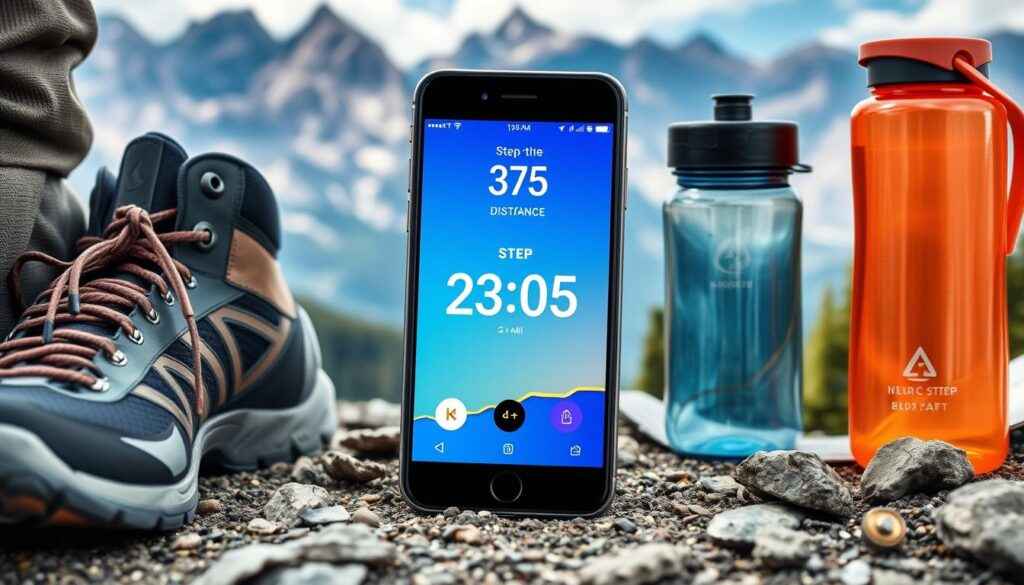
Step counter applications work best as habit-building tools rather than temporary interventions. The goal isn’t reaching 10,000 steps next Tuesday—it’s cultivating a lifestyle where regular movement feels natural and automatic. This shift from conscious effort to ingrained behavior represents true success.
Anchor walking to existing routines for better adherence. Walking after meals aids digestion while reliably adding steps. Morning coffee walks or evening wind-down strolls become cherished rituals that happen almost unconsciously once established.
Remember that the app is a tool supporting your goals, not a demanding taskmaster. If step counting begins feeling stressful rather than helpful, adjust your approach. Perhaps take weekends off from tracking, lower your target temporarily, or shift focus to how walking makes you feel rather than numerical achievements.
Walking represents one of humanity’s most fundamental movements, and step counter applications make this simple activity measurable, motivating, and meaningful. By transforming your smartphone into a personal fitness companion, these tools democratize health tracking and make wellness accessible to everyone. Whether you’re taking your first steps toward a more active lifestyle or optimizing an already robust fitness routine, step counters provide the data, motivation, and insights that turn intention into action. Start today, and discover how something as simple as counting steps can profoundly impact your health, happiness, and daily life. Every journey begins with a single step—and now you can count every one along the way. 🌟
