
Modern technology has transformed how women approach early pregnancy detection, offering digital tools that provide guidance, tracking, and information right at their fingertips.

Pregnancy test apps have emerged as valuable companions for women navigating the exciting yet uncertain journey of potential motherhood.
These digital solutions combine educational content, symptom tracking, and test interpretation guidance into convenient mobile platforms.
While no app can replace a physical pregnancy test or medical consultation, these tools serve important roles in helping users understand their bodies, track fertility windows, and interpret test results with greater confidence.
Let’s explore how pregnancy test apps work and what they offer to modern women.
📱 Understanding Pregnancy Test Applications
Pregnancy test apps function as comprehensive digital assistants designed to support women throughout their conception journey. These applications typically offer multiple features ranging from fertility tracking to symptom logging and test result interpretation.
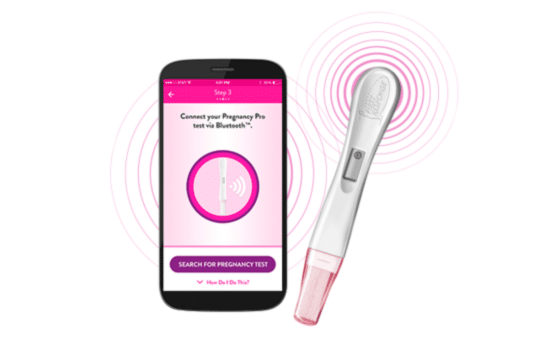
The technology behind these apps combines menstrual cycle algorithms, symptom databases, and educational resources. Some advanced versions incorporate image recognition capabilities that analyze photos of physical pregnancy tests, providing digital readings and confidence levels.
Most pregnancy test apps operate on freemium models, offering basic features at no cost while premium subscriptions unlock advanced tracking tools, personalized insights, and ad-free experiences. The accessibility of these applications has democratized pregnancy information, making it available to anyone with a smartphone.
It’s essential to understand that these apps complement rather than replace traditional testing methods. They serve as informational tools that empower users with knowledge while encouraging appropriate medical follow-up when pregnancy is suspected or confirmed.
🔍 Key Features of Pregnancy Test Apps
Modern pregnancy test applications pack numerous functionalities into user-friendly interfaces. Understanding these features helps users select the right app for their specific needs and circumstances.
Cycle Tracking and Fertility Prediction
Most comprehensive pregnancy test apps include menstrual cycle tracking as a foundational feature. Users log period start dates, flow intensity, and cycle length, allowing the app to predict future cycles and identify fertile windows.
Advanced algorithms analyze historical data to provide increasingly accurate predictions over time. These calculations consider factors like cycle irregularities, ovulation symptoms, and basal body temperature when available.
Fertility prediction helps couples timing conception by highlighting the days when pregnancy is most likely to occur. The visual calendars and notifications keep users informed about their reproductive status throughout each month.
Symptom Logging and Analysis
Pregnancy test apps typically feature symptom trackers where users document physical changes like nausea, breast tenderness, fatigue, mood shifts, and food cravings. This documentation creates a personal health diary that reveals patterns over time.
The apps often provide symptom libraries explaining what various signs might indicate, helping users distinguish between premenstrual symptoms and early pregnancy indicators. This educational component reduces anxiety and improves body awareness.
Some applications analyze symptom patterns against their databases, offering probability assessments about pregnancy likelihood. While not diagnostic, these insights help users decide when taking a physical test makes sense.

Test Interpretation Assistance
One innovative feature found in several pregnancy test apps involves photo analysis of physical test strips. Users photograph their home pregnancy test, and the app’s algorithms analyze the test lines to provide readings.
This technology addresses a common challenge: interpreting faint lines on pregnancy tests. The app enhances contrast, measures line intensity, and compares results against reference databases to determine if a test is positive, negative, or inconclusive.
While convenient, this feature comes with important disclaimers. App developers consistently remind users that digital interpretation doesn’t replace reading tests according to manufacturer instructions or seeking medical confirmation.
Educational Content and Resources
Quality pregnancy test apps serve as educational hubs, offering articles, videos, and expert advice on conception, early pregnancy, and reproductive health. This content helps users make informed decisions throughout their journey.
Topics typically covered include understanding ovulation, improving fertility, recognizing pregnancy symptoms, choosing pregnancy tests, interpreting results, and knowing when to consult healthcare providers. The information is usually vetted by medical professionals.
Many apps also feature community forums where users share experiences, ask questions, and support each other. These peer connections provide emotional support during what can be a stressful waiting period.
✨ Benefits of Using Pregnancy Test Apps
Pregnancy test applications offer numerous advantages that explain their growing popularity among women of reproductive age worldwide.
Convenience and Accessibility: Having pregnancy-related tools consolidated in a smartphone means information and tracking capabilities are always available. Users can log symptoms, check fertile days, or access educational content anytime, anywhere.
Improved Body Awareness: Regular tracking through these apps helps women become more attuned to their natural cycles and bodily changes. This awareness extends benefits beyond conception attempts to overall reproductive health management.
Data-Driven Insights: The apps’ analytical capabilities transform raw data into actionable insights. Patterns emerge that might otherwise go unnoticed, helping users optimize timing and recognize significant changes.
Reduced Anxiety: Knowledge reduces fear. By providing clear information about what’s normal, what certain symptoms mean, and what to expect, these apps help alleviate the anxiety that often accompanies trying to conceive.
Partner Involvement: Many apps include sharing features that allow partners to access calendars, receive notifications, and stay informed. This inclusivity strengthens support systems during the conception journey.
Cost Efficiency: While premium subscriptions exist, basic functionality in most pregnancy test apps is free. This makes valuable reproductive health tools accessible regardless of economic circumstances.
⚠️ Limitations and Considerations
Despite their benefits, pregnancy test apps have important limitations that users must understand to maintain realistic expectations and appropriate usage.
Not Medical Diagnostic Tools
No pregnancy test app can definitively confirm or rule out pregnancy. They provide information, tracking, and guidance, but cannot replace physical testing methods like home pregnancy tests or clinical blood tests.
Apps analyzing test photos offer interpretations based on algorithms, not medical expertise. False readings can occur due to lighting conditions, photo quality, test timing, or algorithm limitations. Users should always follow up with traditional confirmation methods.
Accuracy Depends on User Input
The quality of insights generated by pregnancy test apps directly correlates with data accuracy and consistency. Irregular logging, incorrect dates, or missed entries compromise the algorithms’ predictive capabilities.
Women with irregular cycles, hormonal conditions like PCOS, or recent hormonal contraception use may receive less accurate predictions. The apps work best for those with relatively regular menstrual patterns.
Privacy and Data Security
Pregnancy test apps collect sensitive health information, raising legitimate privacy concerns. Users should research each app’s data policies, understanding how information is stored, who accesses it, and whether it’s shared with third parties.
Reputable apps employ encryption and comply with health data protection regulations. However, less scrupulous applications might monetize user data inappropriately. Reading privacy policies and user reviews helps identify trustworthy options.
Emotional Impact Considerations
For women experiencing conception challenges, constant cycle tracking and symptom analysis can become emotionally taxing. The apps’ focus on fertility windows and pregnancy signs might increase stress rather than reduce it.
Some users benefit from periodic breaks from tracking, allowing conception efforts to feel less clinical and pressured. Mental health should always take priority over data collection.
🎯 Choosing the Right Pregnancy Test App
With numerous options available across app stores, selecting the most appropriate pregnancy test app requires considering several factors aligned with personal needs and preferences.
Feature Set: Identify which features matter most. Simple cycle tracking might suffice for some users, while others want comprehensive symptom logging, test interpretation, or educational content. Match app capabilities to your specific requirements.
User Interface: The app should be intuitive and enjoyable to use. Complicated navigation or cluttered designs reduce engagement, undermining the consistency needed for accurate tracking.
Reviews and Ratings: User feedback reveals real-world performance beyond marketing claims. Look for apps with high ratings, positive reviews, and active developer responses to user concerns.
Medical Credibility: Apps developed with input from reproductive health specialists or endorsed by medical organizations typically provide more reliable information and safer guidance.
Cost Structure: Understand what’s included free versus behind paywalls. Some apps gate essential features behind subscriptions, while others offer complete functionality at no cost with optional premium upgrades.
Privacy Practices: Prioritize apps with transparent, user-friendly privacy policies that protect sensitive health data and don’t share information without explicit consent.
💡 Maximizing App Effectiveness
To derive maximum benefit from pregnancy test applications, users should adopt best practices that enhance accuracy and usefulness.
Maintain consistent logging habits by setting daily reminders to record relevant information. Even brief entries keep data current and improve algorithmic predictions over time.
Be honest and thorough when documenting symptoms and cycle characteristics. The app only knows what you tell it, so comprehensive input yields better insights.
Combine app use with other fertility awareness methods like basal body temperature tracking or ovulation predictor kits. Multiple data sources provide a more complete reproductive health picture.
Use educational content proactively rather than just during crisis moments. Regular learning about reproductive health empowers better overall decision-making.
Maintain perspective on the app’s role as a tool, not a definitive authority. Balance digital tracking with body awareness and professional medical guidance when appropriate.
🌟 The Future of Pregnancy Test Technology
Pregnancy test app technology continues evolving rapidly, with emerging innovations promising even greater functionality and accuracy in coming years.
Artificial intelligence and machine learning improvements will enhance prediction algorithms, providing increasingly personalized insights based on individual patterns rather than population averages.
Integration with wearable devices like fitness trackers and smartwatches will enable passive data collection of metrics like resting heart rate, sleep patterns, and body temperature—all relevant to fertility and early pregnancy detection.
Advanced image recognition technology may soon analyze pregnancy tests with near-clinical accuracy, potentially incorporating additional biomarkers beyond traditional test lines.
Telemedicine integration could connect app users directly with healthcare providers for virtual consultations, creating seamless pathways from digital tracking to professional medical care.
Expanded community features may offer more sophisticated peer support systems, including moderated groups, expert Q&A sessions, and connection algorithms that match users with similar circumstances.
🏥 When Apps Should Lead to Medical Consultation
Pregnancy test apps serve valuable informational purposes, but certain situations require transitioning from digital tools to professional healthcare engagement.
Any positive home pregnancy test—whether interpreted by an app or not—warrants medical confirmation and prenatal care initiation. Healthcare providers perform more definitive testing and begin important early pregnancy monitoring.
Irregular cycles, unusual symptoms, or fertility concerns extending beyond several months of trying to conceive deserve medical evaluation. Apps cannot diagnose underlying conditions affecting reproductive health.
Contradictory information between app interpretations and physical test results should prompt professional consultation rather than reliance on either source alone.
Emotional distress related to conception efforts, pregnancy loss, or fertility challenges requires appropriate mental health support beyond what digital platforms can provide.
🌈 Embracing Technology Wisely
Pregnancy test apps represent meaningful technological advancement in reproductive health accessibility, putting valuable information and tracking capabilities into women’s hands. These digital tools democratize knowledge previously requiring medical consultations or specialized resources.
When used appropriately—as educational resources and tracking aids rather than diagnostic instruments—pregnancy test apps enhance reproductive health awareness and empower informed decision-making throughout conception journeys.
The key lies in balanced usage that combines digital convenience with body awareness, traditional testing methods, and professional medical guidance. Technology serves best as a complement to, not replacement for, comprehensive reproductive healthcare.
As these applications continue evolving, they promise even greater support for women navigating the exciting, challenging, and deeply personal journey toward motherhood. By understanding both their capabilities and limitations, users can harness pregnancy test apps as powerful allies in their reproductive health management.
