

GPS apps have revolutionized how we navigate the world, transforming smartphones into powerful navigation tools that guide millions of people daily through unfamiliar streets and routes. 📱


Whether you’re commuting to work, exploring a new city, or embarking on a cross-country road trip, GPS applications have become indispensable companions in our daily lives. These intelligent navigation systems do far more than simply show us the way—they provide real-time traffic updates, suggest alternate routes, and even help us discover interesting places along our journey.
The evolution of GPS technology has transformed our relationship with maps and navigation entirely. Gone are the days of fumbling with paper maps or stopping at gas stations for directions. Today’s GPS apps leverage satellite technology, crowdsourced data, and sophisticated algorithms to deliver precise, up-to-the-minute navigation assistance that adapts to changing road conditions instantly.
🌍 How GPS Apps Changed Modern Navigation
The introduction of GPS apps represented a paradigm shift in personal navigation. Before these applications became mainstream, travelers relied on printed maps, written directions, or expensive standalone GPS devices that quickly became outdated. The smartphone revolution democratized access to navigation technology, placing powerful location-based services in everyone’s pocket.
Modern GPS applications integrate multiple data sources to provide comprehensive navigation solutions. They combine satellite positioning data with cellular tower triangulation, Wi-Fi positioning, and even accelerometer readings to maintain accuracy even in challenging environments like urban canyons or tunnels.
The real genius of contemporary GPS apps lies in their ability to learn and adapt. They analyze traffic patterns, user behavior, and historical data to predict optimal routes. This predictive capability means your GPS app often knows about traffic jams before traditional traffic reports even register them.
🚗 Key Features That Define Superior GPS Apps
Not all GPS applications are created equal. The best navigation apps distinguish themselves through a combination of essential features that enhance the driving experience and provide genuine value to users.
Real-Time Traffic Intelligence
The most valuable feature of modern GPS apps is their ability to monitor traffic conditions in real-time. By aggregating data from thousands or millions of users, these apps identify congestion, accidents, and road closures as they happen. This crowdsourced intelligence allows the app to automatically reroute you around problems, potentially saving hours of frustration.
Advanced GPS apps don’t just react to current conditions—they anticipate future traffic patterns based on historical data. If you regularly commute at 8 AM, your app learns typical traffic patterns for that time and suggests departure times or alternative routes accordingly.
Voice-Guided Navigation
Hands-free operation is essential for safe driving, making voice guidance a critical feature. Quality GPS apps provide clear, timely audio instructions that allow drivers to keep their eyes on the road. The best implementations use natural language processing to deliver directions that sound conversational rather than robotic.
Many premium GPS applications now support voice commands, allowing you to search for destinations, add stops, or adjust settings without touching your phone. This voice integration extends to virtual assistants like Google Assistant and Siri, creating seamless hands-free experiences.
Offline Map Capabilities
While most navigation happens with an active internet connection, offline map functionality proves invaluable in areas with poor cellular coverage or when traveling internationally to avoid roaming charges. The ability to download maps for specific regions ensures you’re never truly lost, even without connectivity.
Offline maps also consume less battery power since your device doesn’t constantly communicate with remote servers. For hikers, international travelers, and anyone venturing into remote areas, this feature transforms a GPS app from useful to essential.
📊 Comparing Popular GPS App Features
| Feature | Benefit | Usage Scenario |
|---|---|---|
| Live Traffic Updates | Avoid congestion and delays | Daily commuting |
| Alternative Route Suggestions | Find fastest or most scenic paths | Road trips and exploration |
| Speed Limit Warnings | Avoid tickets and drive safely | Unfamiliar areas |
| Points of Interest | Discover restaurants, gas stations, attractions | Travel and exploration |
| Multi-Stop Route Planning | Optimize trips with multiple destinations | Errands and deliveries |
| Parking Assistance | Find and remember parking locations | Urban navigation |
🎯 Choosing the Right GPS App for Your Needs
Selecting the ideal GPS application depends on your specific navigation requirements and usage patterns. Different apps excel in different scenarios, and understanding these distinctions helps you make an informed choice.
For daily commuters, apps that emphasize real-time traffic data and community-reported incidents offer the greatest value. These applications learn your regular routes and can alert you to problems before you even leave home, suggesting optimal departure times or alternative paths.
Adventure seekers and outdoor enthusiasts need GPS apps with robust offline capabilities, topographic maps, and trail information. These specialized applications often include features like elevation profiles, waypoint marking, and track recording that standard driving apps don’t provide.

Professional Use Cases
Professional drivers, delivery personnel, and transportation services require GPS apps optimized for efficiency and reliability. Features like route optimization for multiple stops, commercial vehicle routing that accounts for size and weight restrictions, and integration with fleet management systems become priorities for these users.
Real estate agents, sales representatives, and field service technicians benefit from GPS apps that integrate with customer relationship management systems and allow easy scheduling of multiple appointments with optimized routing between locations.
🔋 Battery Life and Data Consumption Considerations
GPS navigation can be power-hungry, making battery management a critical consideration for mobile users. Modern GPS apps have implemented various strategies to minimize battery drain while maintaining functionality.
Continuous GPS usage, combined with screen-on time and data connectivity, can deplete a smartphone battery in just a few hours. However, several optimization techniques help extend navigation time. Using offline maps reduces data transmission requirements, lowering battery consumption. Reducing screen brightness or using battery-saver modes during navigation preserves power without sacrificing core functionality.
Data consumption varies significantly between GPS applications. Apps that rely heavily on real-time data for traffic updates, satellite imagery, and point-of-interest information naturally consume more data than those using cached maps. For users with limited data plans, understanding these differences is crucial.
🌟 Advanced Features Shaping the Future of GPS Apps
The GPS app landscape continues evolving rapidly, with developers incorporating cutting-edge technologies that expand navigation capabilities beyond simple point-to-point directions.
Augmented Reality Navigation
Augmented reality represents the next frontier in GPS navigation. By overlaying directional arrows and information directly onto live camera views of the real world, AR navigation makes following directions more intuitive, especially for pedestrians in complex urban environments or unfamiliar locations.
This technology proves particularly valuable when navigating on foot in crowded cities where traditional map views can be disorienting. The visual confirmation that you’re heading the correct direction eliminates the awkward “GPS dance” of turning in circles to orient yourself.
Artificial Intelligence Integration
Machine learning algorithms increasingly power GPS apps, enabling them to provide personalized recommendations based on your preferences, habits, and history. AI analyzes your past behavior to suggest destinations, predict parking difficulty, and recommend optimal departure times.
Natural language processing allows conversational interaction with navigation apps. Rather than typing specific addresses, you can ask your GPS app to “find Italian restaurants with good reviews near me” or “take me home avoiding highways,” and the system understands and responds appropriately.
Social and Community Features
Modern GPS apps incorporate social elements that transform navigation into a collaborative experience. Users report hazards, police presence, accidents, and road closures in real-time, creating a community-driven traffic intelligence network that benefits everyone.
Some applications allow you to share your estimated arrival time with contacts, who can track your progress in real-time. This feature provides peace of mind for parents, simplifies meeting coordination, and enhances safety by ensuring someone knows your location during long trips.
🛡️ Privacy and Security in GPS Applications
Using GPS apps necessarily involves sharing location data, raising legitimate privacy concerns. Responsible users should understand what information their navigation apps collect and how companies use this data.
Most GPS applications collect detailed location history to improve service quality, provide personalized recommendations, and generate traffic insights. While this data collection enables many valuable features, it also creates comprehensive records of your movements that could potentially be accessed by third parties.
Leading GPS apps offer privacy controls that allow users to delete location history, disable tracking when not actively navigating, and opt out of data sharing for advertising purposes. Understanding and configuring these settings helps balance functionality with privacy protection.
💡 Tips for Maximizing Your GPS App Experience
Getting the most value from your GPS application requires more than simply entering a destination and following arrows. Strategic use of advanced features and best practices significantly enhances the navigation experience.
- Plan routes in advance: Take a moment to review the suggested route before starting your trip, checking for tolls, highways, or routing preferences you want to adjust.
- Download offline maps: Proactively download maps for areas you’ll visit, ensuring navigation continues even without cellular connectivity.
- Enable traffic alerts: Set up notifications for your regular routes so your GPS app can alert you to problems before you depart.
- Explore alternative routes: Don’t blindly follow the first suggestion—review alternate routes that might be more scenic, avoid tolls, or match your preferences.
- Update regularly: Keep your GPS app updated to ensure access to the latest maps, features, and performance improvements.
- Calibrate your compass: Periodically calibrate your device’s compass by moving it in a figure-eight pattern to maintain navigation accuracy.
- Use voice commands: Learn voice command syntax to search destinations and control navigation hands-free while driving.
- Contribute to the community: Report hazards, traffic, and road conditions you encounter to help other users and improve overall data quality.
🌐 GPS Apps for International Travel
International travel presents unique navigation challenges that require specific considerations when choosing and configuring GPS apps. Language barriers, unfamiliar road systems, and data connectivity issues demand careful preparation.
Before international trips, download comprehensive offline maps for your destination countries. This preparation ensures navigation capability regardless of local SIM card availability or international roaming costs. Many GPS apps offer entire country or regional downloads that include detailed street maps, points of interest, and even public transportation information.
Some navigation apps excel in specific regions due to better map data, local partnerships, or cultural customization. Researching which GPS apps work best in your destination country can prevent frustration and ensure reliable navigation throughout your journey.
🚶 Pedestrian and Cycling Navigation
While GPS apps originally focused on automotive navigation, pedestrian and cycling modes have become increasingly sophisticated, offering features specifically designed for non-motorized transportation.
Pedestrian navigation emphasizes walkable routes, provides transit options, and includes details like stairs, elevators, and accessible paths that matter to people on foot but are irrelevant to drivers. These modes also account for realistic walking speeds and suggest routes through parks or pedestrian-only areas that create more pleasant journeys.
Cycling navigation requires different considerations than either driving or walking. Bicycle-specific routing prioritizes bike lanes, lower-traffic streets, and appropriate road types while avoiding highways and high-speed roads where cycling is dangerous or prohibited. Elevation information helps cyclists avoid steep hills or plan routes that match their fitness levels.
🎉 The Community Aspect of Modern Navigation
The transformation of GPS apps from simple navigation tools into community platforms represents one of the most significant developments in location technology. This social dimension adds immense value by harnessing collective intelligence from millions of users.
Real-time hazard reporting creates a collaborative safety network where drivers alert each other to obstacles, accidents, police activity, and road conditions. This crowdsourced information often proves more current and reliable than official traffic reports, reaching users seconds after incidents occur.
Community engagement transforms mundane commuting into a participatory experience. Users earn points, badges, and recognition for contributions, creating gamification elements that encourage active participation. This engagement ensures data freshness and creates loyalty that keeps users returning to specific GPS applications.
🔮 What’s Next for GPS Navigation Technology
The future of GPS apps promises even more revolutionary capabilities as emerging technologies mature and integrate into navigation platforms. Several trends are shaping the next generation of location-based services.
Autonomous vehicle integration represents a major frontier for GPS technology. As self-driving cars become mainstream, navigation apps will evolve from guiding human drivers to managing autonomous vehicle routing, coordinating with vehicle systems, and optimizing trips with minimal human intervention.
Enhanced indoor positioning systems will extend GPS capabilities into buildings, malls, airports, and other indoor spaces where satellite signals traditionally fail. These systems use Wi-Fi, Bluetooth beacons, and other technologies to provide turn-by-turn directions inside complex structures.
Predictive routing powered by big data analytics will anticipate your needs before you even express them. Your GPS app might suggest leaving early for an appointment based on predicted traffic, recommend stopping for gas based on your fuel level and route, or propose a coffee shop based on your habits and current time of day.
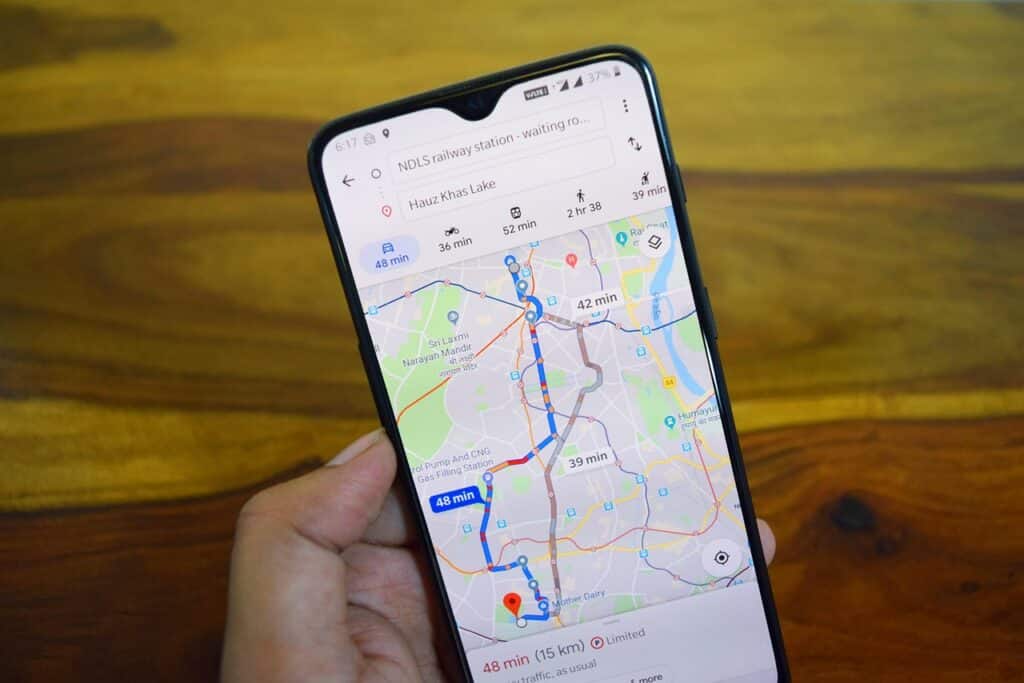
✨ Making the Most of Your Navigation Experience
GPS apps have fundamentally changed how we interact with physical space, making exploration accessible and reducing the anxiety of getting lost. These powerful tools continue evolving, incorporating new technologies and features that expand their utility beyond basic navigation.
The key to maximizing value from GPS applications lies in understanding their capabilities, configuring them appropriately for your needs, and actively engaging with community features. Whether you’re a daily commuter, frequent traveler, or occasional navigator, modern GPS apps offer tools that make every journey more efficient, safer, and more enjoyable.
As technology continues advancing, GPS apps will become even more integrated into our daily lives, anticipating our needs and seamlessly guiding us through increasingly complex urban environments. The future of navigation is personalized, predictive, and community-driven—and it’s already arriving in your pocket. 🗺️
