
Monitoring your blood pressure has never been easier thanks to modern smartphone technology and innovative health applications available today.
Blood pressure tracking apps have revolutionized how people manage their cardiovascular health. These digital tools offer convenience, accuracy tracking, and valuable insights that help users stay informed about their vital signs. Whether you’re dealing with hypertension, hypotension, or simply want to maintain optimal health, these apps provide an accessible solution right at your fingertips.
Understanding your blood pressure readings is crucial for preventing serious health complications like heart disease, stroke, and kidney problems. With the right app, you can transform your smartphone into a personal health companion that reminds you to take measurements, logs your data automatically, and even shares reports with your healthcare provider. Let’s explore everything you need to know about blood pressure monitoring apps and how they can improve your wellness journey. 💙
Understanding Blood Pressure and Why Monitoring Matters
Blood pressure represents the force of blood pushing against artery walls as your heart pumps. It’s measured in two numbers: systolic pressure (when the heart beats) and diastolic pressure (when the heart rests between beats). A normal reading typically falls around 120/80 mmHg, though this can vary based on age, fitness level, and other factors.
Regular monitoring helps detect patterns and irregularities before they become serious problems. High blood pressure often shows no symptoms, earning it the nickname “silent killer.” By tracking your readings consistently, you can catch changes early and work with your doctor to adjust lifestyle habits or medications as needed.
Modern apps make this process seamless by eliminating the need for paper logs and manual calculations. They provide visual graphs, trend analysis, and personalized insights that make understanding your cardiovascular health much more intuitive and actionable.
How Blood Pressure Monitoring Apps Actually Work 📱
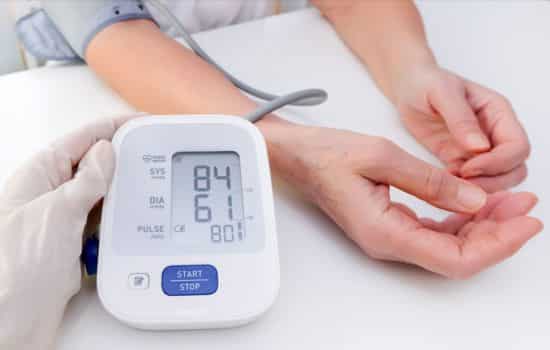
Most blood pressure apps function as digital companions to traditional monitoring devices rather than replacing them entirely. You’ll still need a physical blood pressure cuff or monitor to take actual measurements. The app then becomes your sophisticated tracking system, storing and analyzing all that valuable data.
When you take a reading with your home blood pressure monitor, you simply input the systolic and diastolic numbers into the app. Some advanced devices connect via Bluetooth, automatically syncing measurements without manual entry. The app timestamps each reading and can record additional information like your heart rate, physical activity, medication intake, and even your mood or stress level.
The real magic happens in the analysis phase. These apps use algorithms to identify patterns, flag concerning trends, and predict potential health risks based on your historical data. Many provide color-coded categories showing whether your readings fall within normal, elevated, or hypertensive ranges according to medical guidelines.
Key Features That Make These Apps Valuable
The best blood pressure monitoring apps offer comprehensive features that go beyond simple data entry. Understanding what capabilities matter most can help you choose the right tool for your needs.
- Unlimited data storage: Track measurements indefinitely without worrying about running out of space
- Multiple user profiles: Perfect for families managing several people’s health data in one place
- Medication reminders: Never miss a dose with customizable alerts and schedules
- Visual charts and graphs: Spot trends quickly with intuitive data visualization
- Export functionality: Generate PDF reports to share with doctors during appointments
- Heart rate tracking: Monitor pulse alongside blood pressure for complete cardiovascular insights
- Note-taking capabilities: Record symptoms, activities, or dietary choices that might affect readings
- Statistics and averages: View daily, weekly, or monthly summaries at a glance
Choosing the Right Blood Pressure App for Your Needs
Not all health apps are created equal, and finding one that matches your specific requirements makes all the difference in consistent usage. Consider your technical comfort level, the features you’ll actually use, and whether you need integration with other health platforms.
Look for apps with clean, intuitive interfaces that don’t require extensive technical knowledge. The easier it is to log readings, the more likely you’ll maintain the habit. User reviews often provide honest insights into real-world usability that marketing materials won’t reveal.
Privacy and data security should be top priorities when selecting any health app. Check whether the company encrypts your information, who has access to your data, and whether they sell information to third parties. Reputable apps clearly outline their privacy policies and comply with health data protection regulations like HIPAA.
Compatibility and Device Integration 🔗
Before committing to an app, verify it works with your existing blood pressure monitor if you already own one. Many apps support Bluetooth-enabled devices from popular manufacturers, automatically importing readings and eliminating manual data entry.
Some apps also integrate with broader health ecosystems like Apple Health, Google Fit, or Samsung Health. This connectivity allows you to view all your wellness metrics in one centralized location, creating a more comprehensive picture of your overall health status.

Best Practices for Accurate Blood Pressure Tracking
Even the most sophisticated app can’t compensate for improper measurement techniques. Following standardized protocols ensures your readings accurately reflect your cardiovascular health rather than temporary fluctuations caused by poor practices.
Always measure at consistent times each day, ideally in the morning before breakfast and medications, and in the evening before dinner. Sit quietly for at least five minutes before taking a reading, with your back supported and feet flat on the floor. Your arm should rest at heart level on a table or armrest.
Avoid caffeine, exercise, and smoking for at least 30 minutes before measuring. Empty your bladder first, as a full bladder can artificially raise readings. Don’t talk during the measurement, and take two or three consecutive readings, waiting one to two minutes between each. Record all measurements in your app for the most accurate trend analysis.
Common Mistakes That Skew Results ⚠️
Many people unknowingly compromise their data accuracy through simple errors. Being aware of these pitfalls helps you collect more reliable information that truly reflects your cardiovascular status.
- Using the wrong cuff size: Too small or large cuffs provide inaccurate readings
- Measuring over clothing: Always place the cuff directly on bare skin
- Taking readings immediately after waking: Allow time for your body to stabilize
- Measuring while stressed or anxious: Emotions significantly impact blood pressure
- Poor posture during measurement: Slouching or unsupported positions affect results
- Moving or talking during readings: Stay still and silent throughout the process
- Recording only high readings: Log every measurement for accurate trend analysis
Understanding Your Blood Pressure Readings and Trends
Numbers alone don’t tell the complete story—context and patterns reveal what’s really happening with your cardiovascular system. Learning to interpret your data helps you make informed decisions about lifestyle changes and when to seek medical attention.
Blood pressure naturally fluctuates throughout the day due to physical activity, stress, meals, and circadian rhythms. A single elevated reading doesn’t necessarily indicate hypertension, which is why tracking over time provides a more accurate assessment. Most doctors diagnose hypertension based on multiple elevated readings taken on different occasions.
Your app’s visual graphs make identifying patterns much easier than reviewing raw numbers. Look for gradual increases over weeks or months, consistently high morning readings, or spikes associated with specific activities or stressors. These insights empower meaningful conversations with your healthcare provider about potential interventions.
What Different Reading Categories Mean 💊
| Category | Systolic (mmHg) | Diastolic (mmHg) | Meaning |
|---|---|---|---|
| Normal | Less than 120 | Less than 80 | Healthy cardiovascular function |
| Elevated | 120-129 | Less than 80 | Higher risk without lifestyle changes |
| Hypertension Stage 1 | 130-139 | 80-89 | May require medication and lifestyle modifications |
| Hypertension Stage 2 | 140 or higher | 90 or higher | Typically requires medication and close monitoring |
| Hypertensive Crisis | Higher than 180 | Higher than 120 | Requires immediate medical attention |
Lifestyle Factors That Influence Blood Pressure
Your daily habits profoundly impact cardiovascular health, and tracking apps can help you identify which behaviors most affect your readings. By recording contextual information alongside measurements, you’ll discover personalized patterns that generic advice might miss.
Diet plays a massive role, particularly sodium intake. The typical Western diet contains far more salt than necessary, causing the body to retain water and increase blood volume, thereby raising pressure. Tracking your meals in conjunction with blood pressure readings might reveal surprising connections between certain foods and elevated numbers.
Physical activity generally lowers blood pressure over time, though readings immediately after exercise will be temporarily elevated. Regular cardiovascular exercise strengthens the heart, allowing it to pump more efficiently with less effort. Many apps let you tag readings with activity levels, helping you see the long-term benefits of consistent movement.
Stress Management and Blood Pressure Control 🧘
Chronic stress keeps your body in a state of heightened alert, continuously releasing hormones that elevate blood pressure. While you can’t eliminate all stress, developing healthy coping mechanisms significantly impacts cardiovascular health.
Meditation, deep breathing exercises, yoga, and adequate sleep all contribute to lower baseline blood pressure. Some apps include guided relaxation features or reminders to practice stress-reduction techniques. Tracking your stress levels alongside readings helps quantify the impact of these practices on your actual measurements.
Sharing Data With Healthcare Providers
One of the most valuable features of blood pressure apps is the ability to generate comprehensive reports for medical appointments. Rather than relying on memory or hastily scribbled notes, you can provide doctors with detailed, accurate data that informs treatment decisions.
Most apps allow you to export data as PDF documents or spreadsheets covering specific date ranges. These reports typically include individual readings, averages, trends, and sometimes visual graphs. Some advanced apps even let you add annotations about symptoms, medication changes, or significant life events that might explain reading fluctuations.
This objective data proves especially valuable when adjusting medication dosages or evaluating the effectiveness of lifestyle interventions. Doctors appreciate having concrete information rather than vague estimates, and you’ll feel more confident advocating for your health with solid evidence supporting your concerns.
When to Seek Immediate Medical Attention ⚕️
While regular monitoring helps manage chronic conditions, certain situations require urgent professional care. Understanding warning signs prevents potentially life-threatening complications from progressing unchecked.
A hypertensive crisis—readings above 180/120 mmHg—demands immediate attention, especially if accompanied by symptoms like severe headache, chest pain, shortness of breath, visual changes, or confusion. Don’t wait to see if readings improve; call emergency services immediately.
Even without extreme numbers, new symptoms like persistent dizziness, frequent nosebleeds, or unusual fatigue warrant prompt medical evaluation. Your app can’t diagnose medical conditions, and no digital tool replaces professional medical judgment. Use it as a complementary resource, not a substitute for qualified healthcare.
The Future of Blood Pressure Monitoring Technology
Technology continues advancing rapidly, and the future of cardiovascular monitoring looks increasingly sophisticated and user-friendly. Researchers are developing cuffless blood pressure monitors that use optical sensors similar to those in fitness trackers, potentially enabling continuous monitoring throughout the day.
Artificial intelligence integration will likely enhance predictive capabilities, identifying subtle patterns humans might miss and providing earlier warnings of developing problems. Machine learning algorithms could eventually offer personalized lifestyle recommendations based on your unique physiological responses and historical data.
Wearable technology integration represents another exciting frontier. Imagine smartwatches that continuously monitor blood pressure alongside heart rate, activity levels, sleep quality, and stress indicators, providing a truly holistic view of cardiovascular health in real-time.
Making Blood Pressure Tracking a Sustainable Habit 🌟
The most sophisticated app in the world won’t improve your health if you don’t use it consistently. Building sustainable habits requires more than good intentions—it demands strategic approach and environmental design that makes healthy behaviors the default choice.
Start by anchoring blood pressure checks to existing routines. Measure immediately after brushing your teeth in the morning and before preparing dinner in the evening. This habit stacking technique leverages established behaviors to trigger new ones, making consistency nearly automatic.
Keep your blood pressure monitor visible and easily accessible rather than stored away in a cabinet. The extra effort of retrieving it creates friction that discourages regular use. Place it on your nightstand or kitchen counter where you’ll see it during your scheduled measurement times.
Celebrate small wins and milestones to maintain motivation. Many apps include achievement features that acknowledge consistent tracking or improved readings. These positive reinforcements tap into natural reward systems that encourage continued engagement.
Privacy Considerations and Data Security
Health information represents some of the most sensitive personal data you’ll ever generate. Understanding how apps protect your privacy helps you make informed choices about which platforms deserve your trust and information.
Reputable health apps encrypt data both during transmission and while stored on servers. Look for explicit mentions of encryption standards and compliance with regulations like HIPAA in the United States or GDPR in Europe. These frameworks mandate strict data protection protocols and give you rights over your information.
Read privacy policies carefully before creating accounts, paying attention to data sharing practices. Some free apps monetize by selling anonymized user data to researchers or pharmaceutical companies. While this isn’t necessarily problematic, you should know how your information might be used beyond your personal health management.
Enable all available security features like biometric authentication or PIN protection. If your phone is lost or stolen, these barriers prevent unauthorized access to sensitive health records. Regular software updates also protect against newly discovered security vulnerabilities.
Maximizing the Value of Your Blood Pressure App Experience
Transforming raw data into meaningful health improvements requires active engagement beyond simply logging numbers. Approach your app as a learning tool that reveals personalized insights about your unique cardiovascular system and what influences it.
Experiment with recording contextual variables like meal timing, stress levels, caffeine intake, and sleep quality. After several weeks of comprehensive tracking, review your data for correlations. You might discover that your blood pressure spikes after certain foods, improves with specific stress-management techniques, or fluctuates based on sleep duration.
Set realistic goals within the app if it offers this functionality. Rather than aiming for perfection immediately, focus on gradual improvements. Perhaps you’ll work toward consistent measurement habits before targeting specific number reductions. Small, sustainable changes compound into significant long-term results.
Remember that blood pressure monitoring apps are tools that enhance—not replace—professional medical care. Use them to become an informed, active participant in your health management, but always consult healthcare providers for diagnosis, treatment decisions, and medical advice. Your app provides valuable information; your doctor provides the expertise to interpret and act on it appropriately.
Taking control of your cardiovascular health through consistent monitoring represents an investment in your future well-being. With the right app and committed habits, you’ll gain invaluable insights that empower better decisions, more productive medical appointments, and ultimately, a healthier, longer life. Start today, stay consistent, and watch as small daily actions create meaningful improvements in your overall health trajectory. 💙
